Texts → Project statement (ENG)
In the project Post Box No. 223 *, I explore historical memory as a tool of political control and ideological propaganda, and its erasure or distortion depending on shifts in power. I am interested in how collective memory continues to function under conditions of censorship, and in how private initiatives, lacking access to institutional sources of information, construct alternative narratives.
Specialists in Russian history observe that after Stalin’s death, regimes close to totalitarianism built their identity on approval of his policies, including the use of forced prisoner labor, while regimes associated with the "Thaw" ** and a relative shift toward a more democratic model criticized the Stalinist system and denounced the criminal nature of its practices.
The result of these ongoing ideological oscillations is the absence of a shared view of this historical period and the impossibility of a thorough working-through of collective trauma — which today, amid growing autocratization, is leading to a new wave of re-Stalinization, to the destruction of every form of memory of Stalinist terror, and to the closing of museums, monuments, and organizations dedicated to political repression.
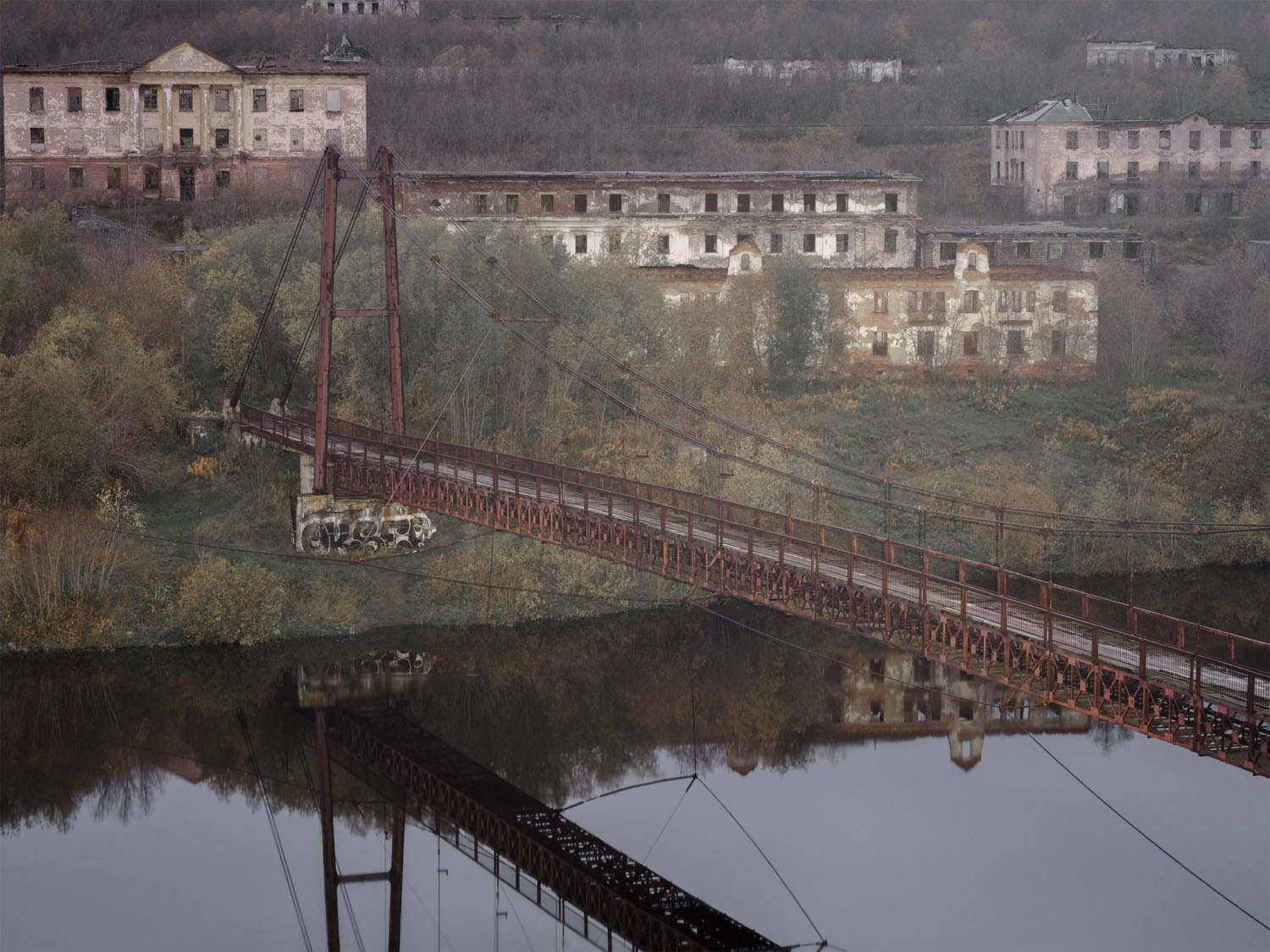
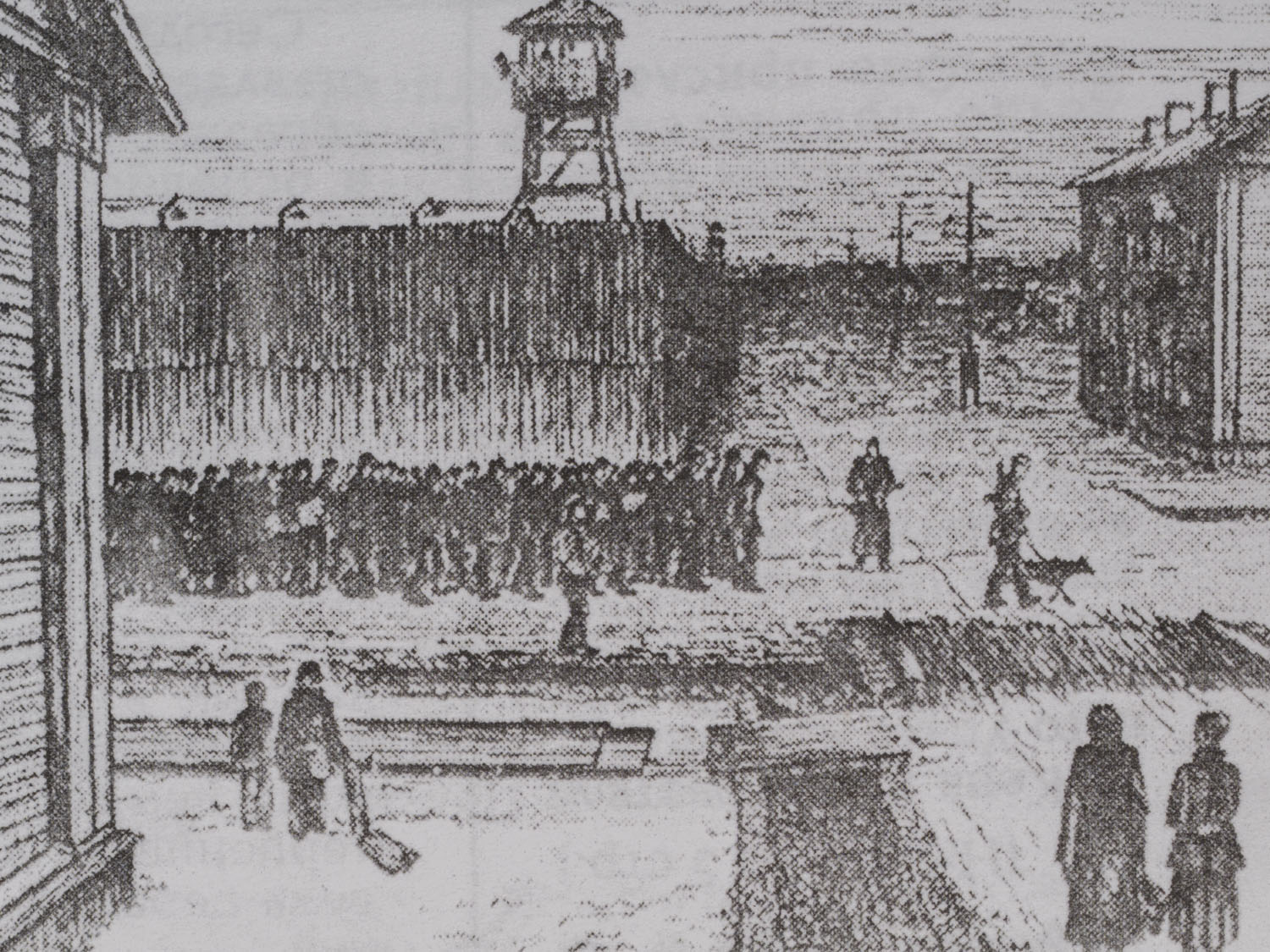
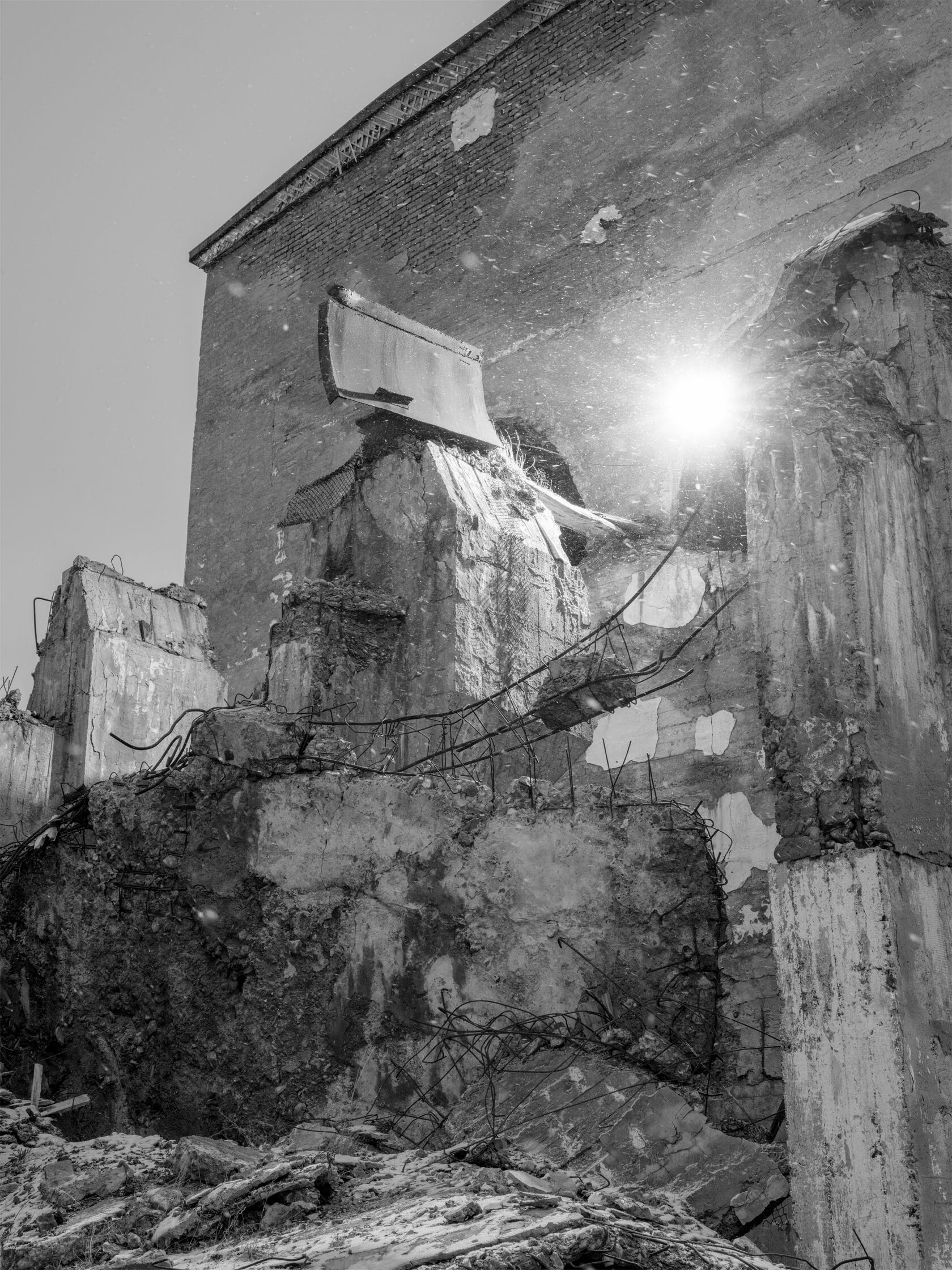
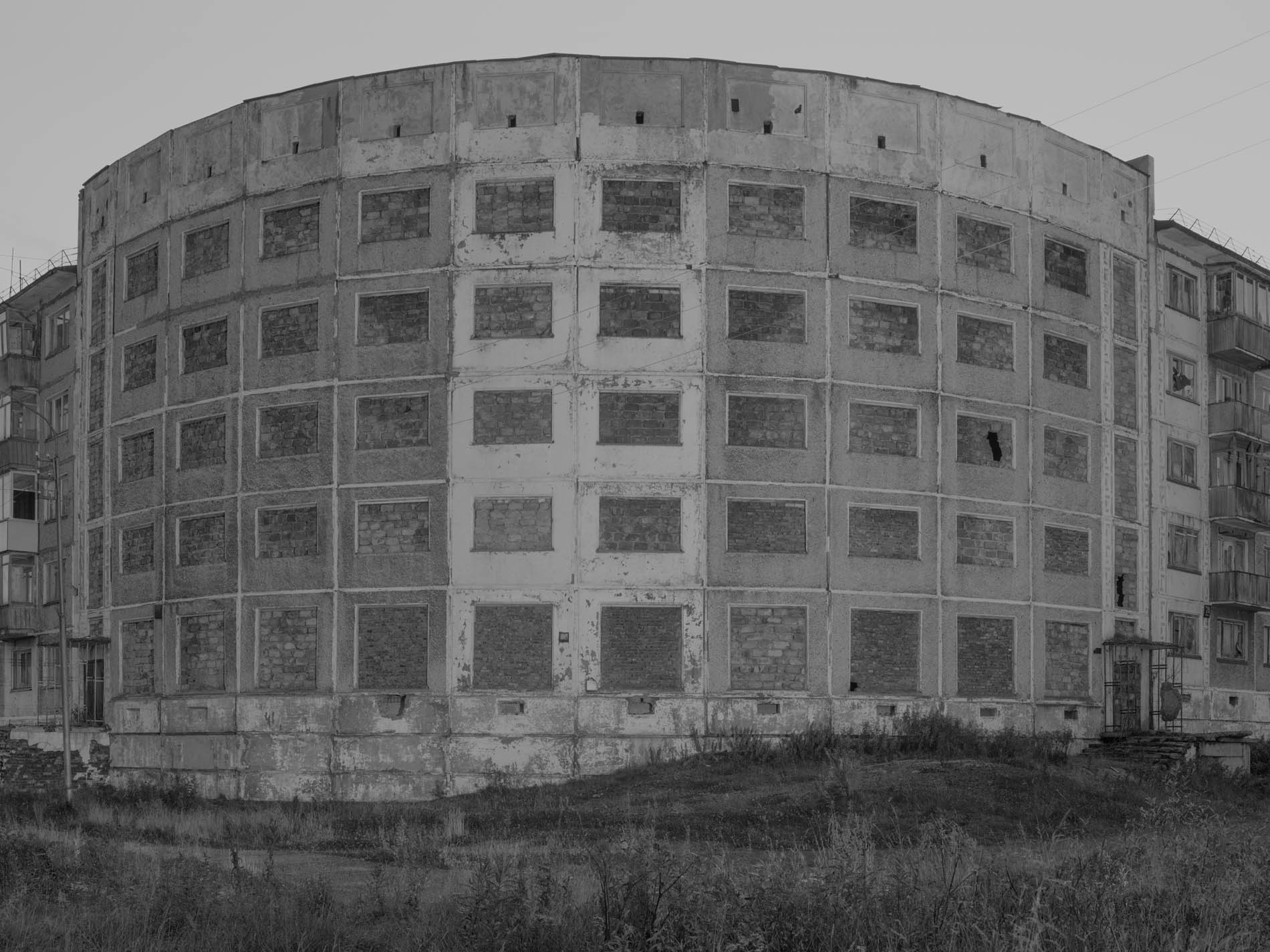
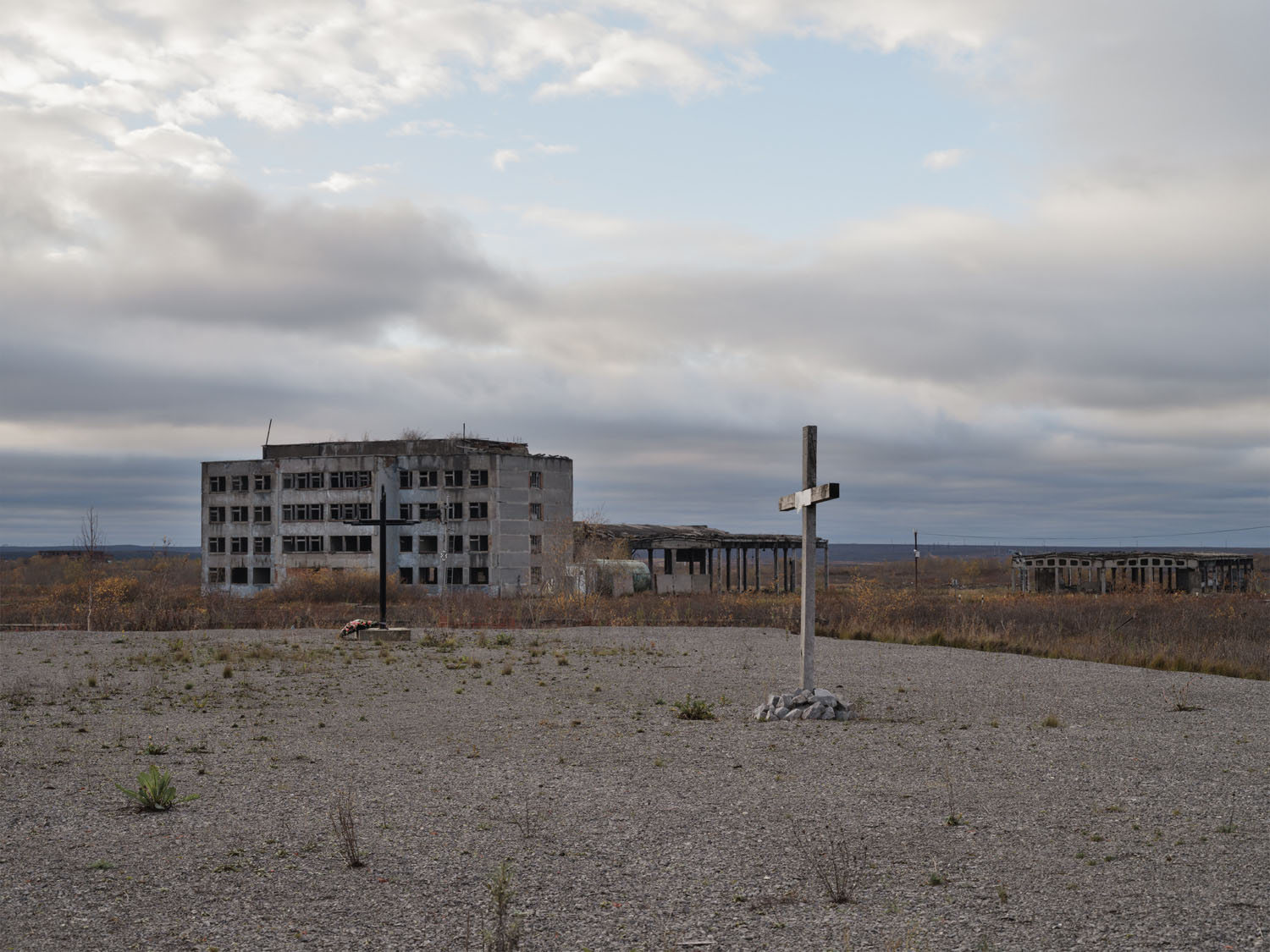
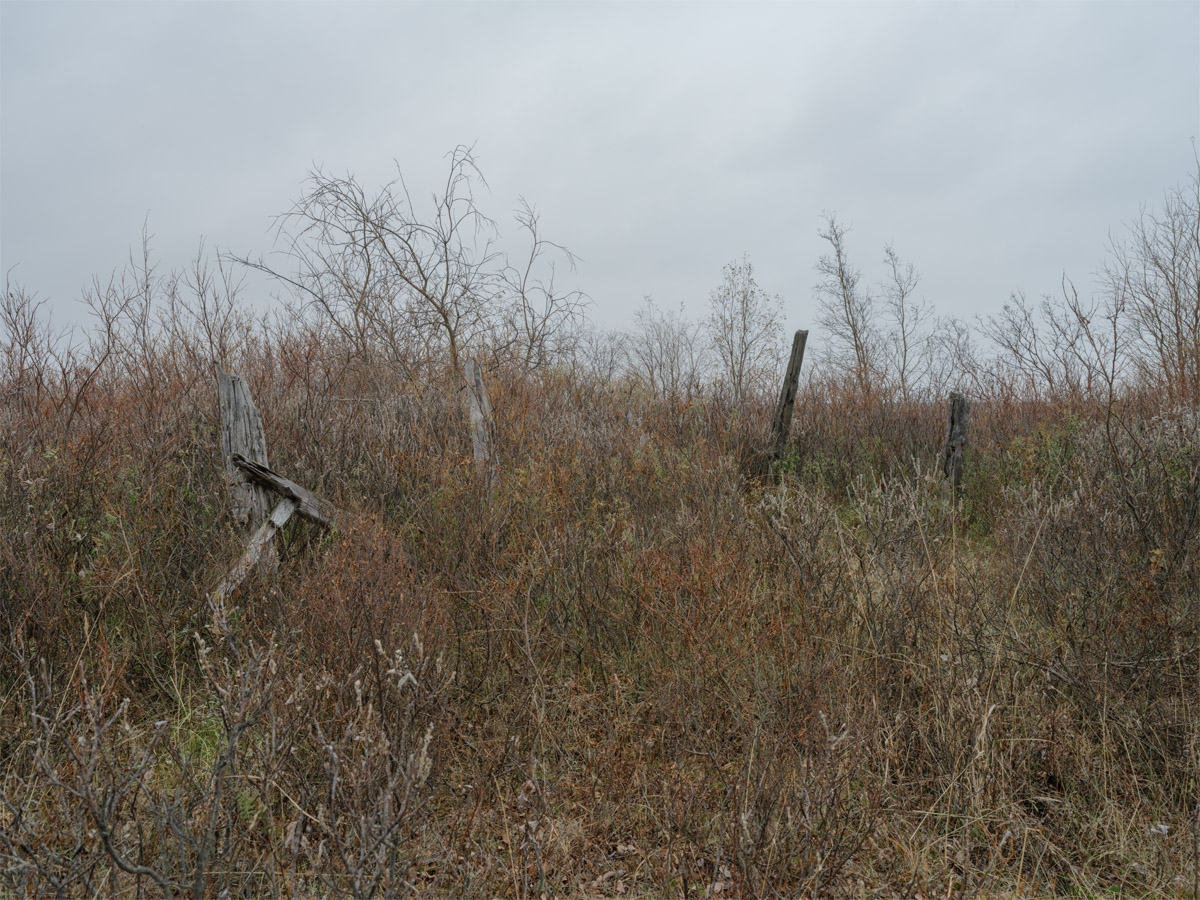
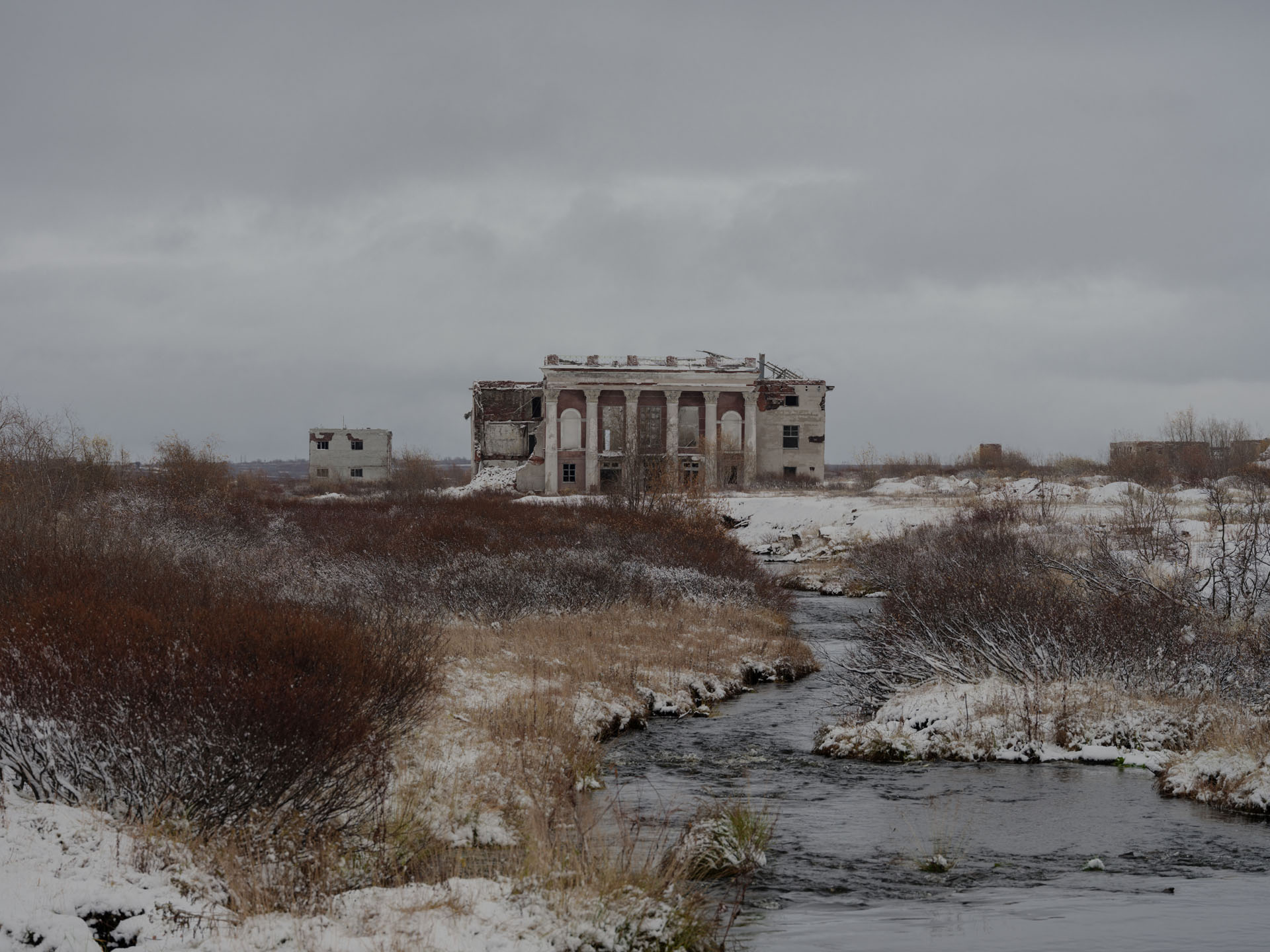
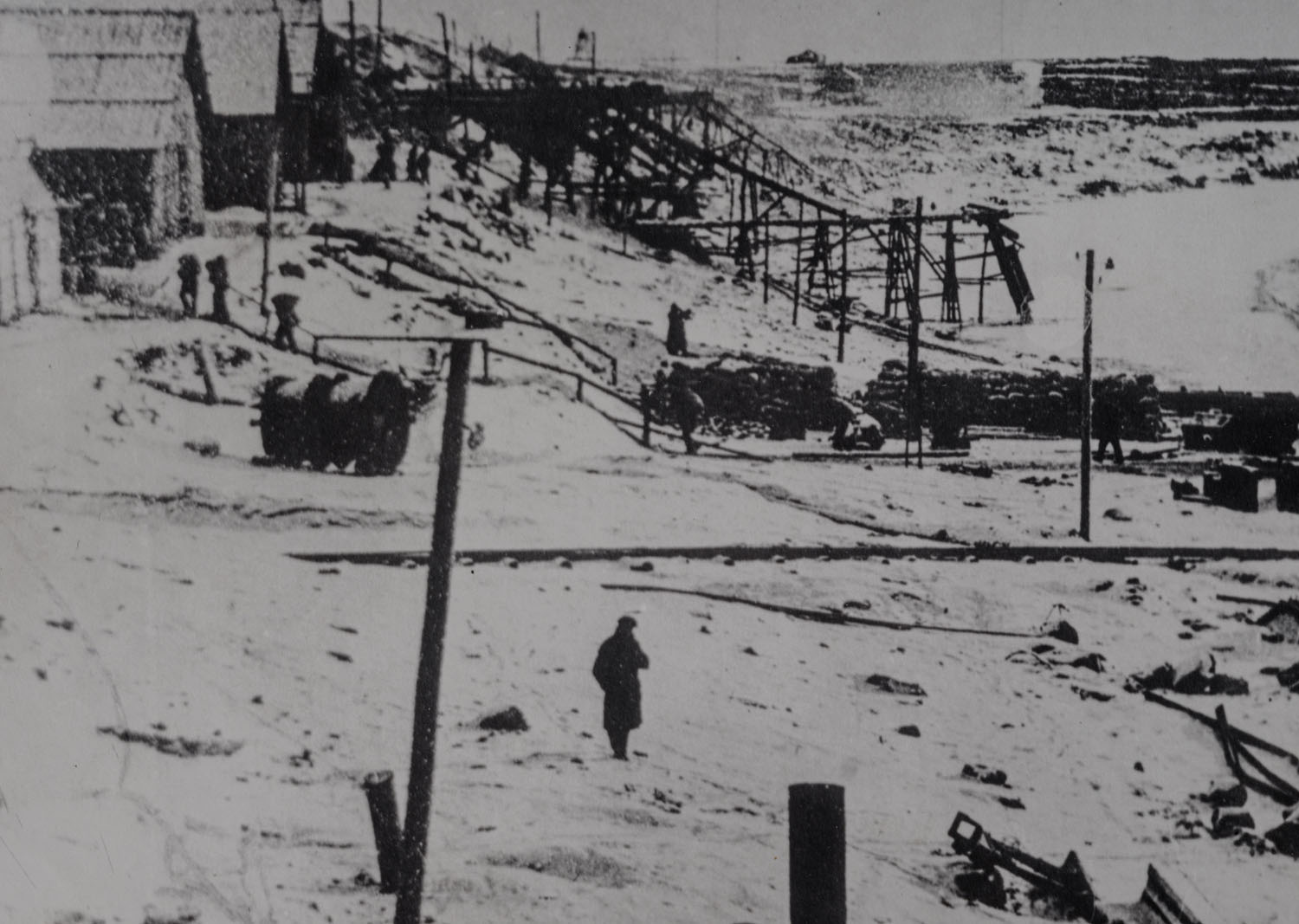
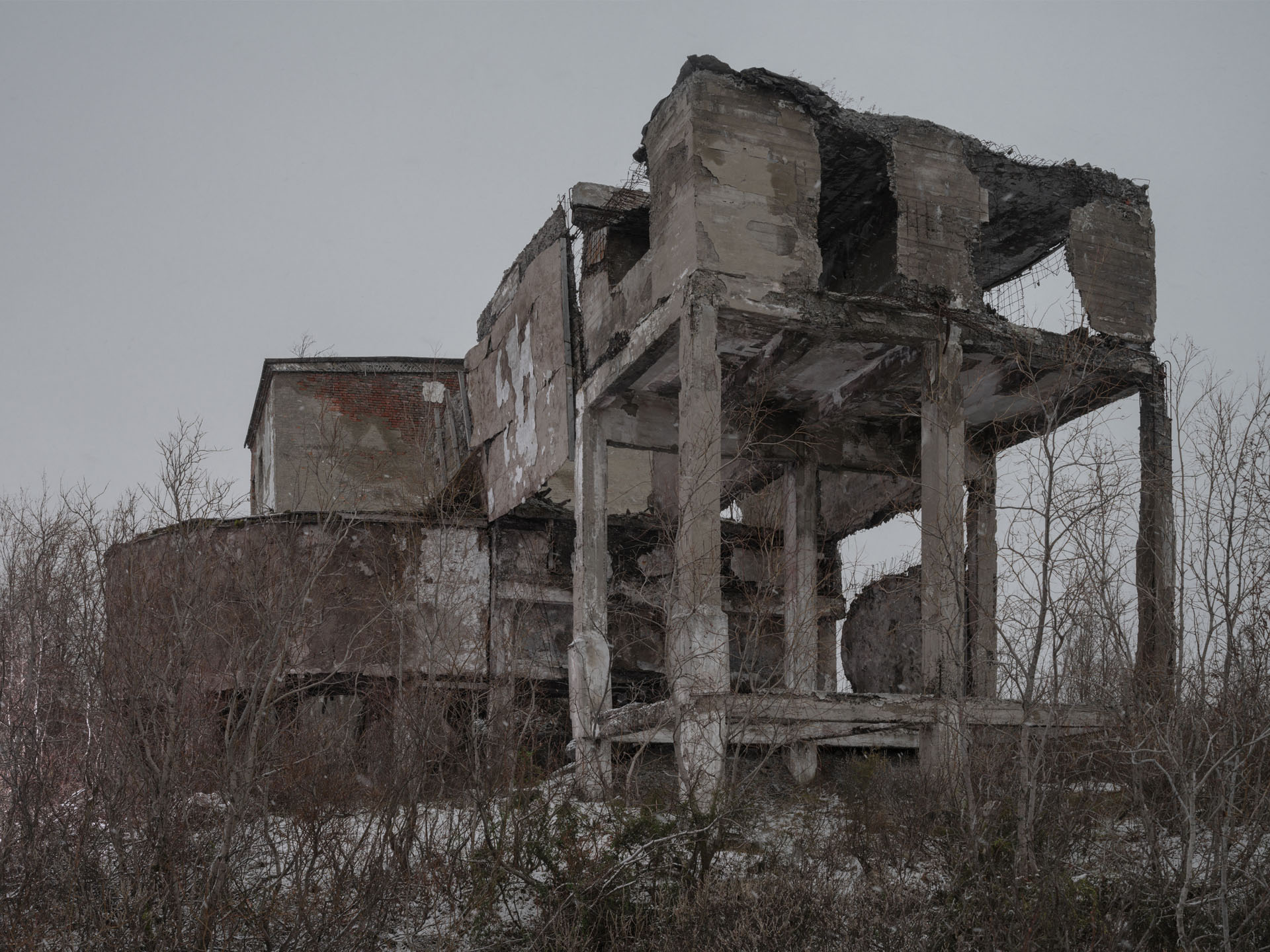
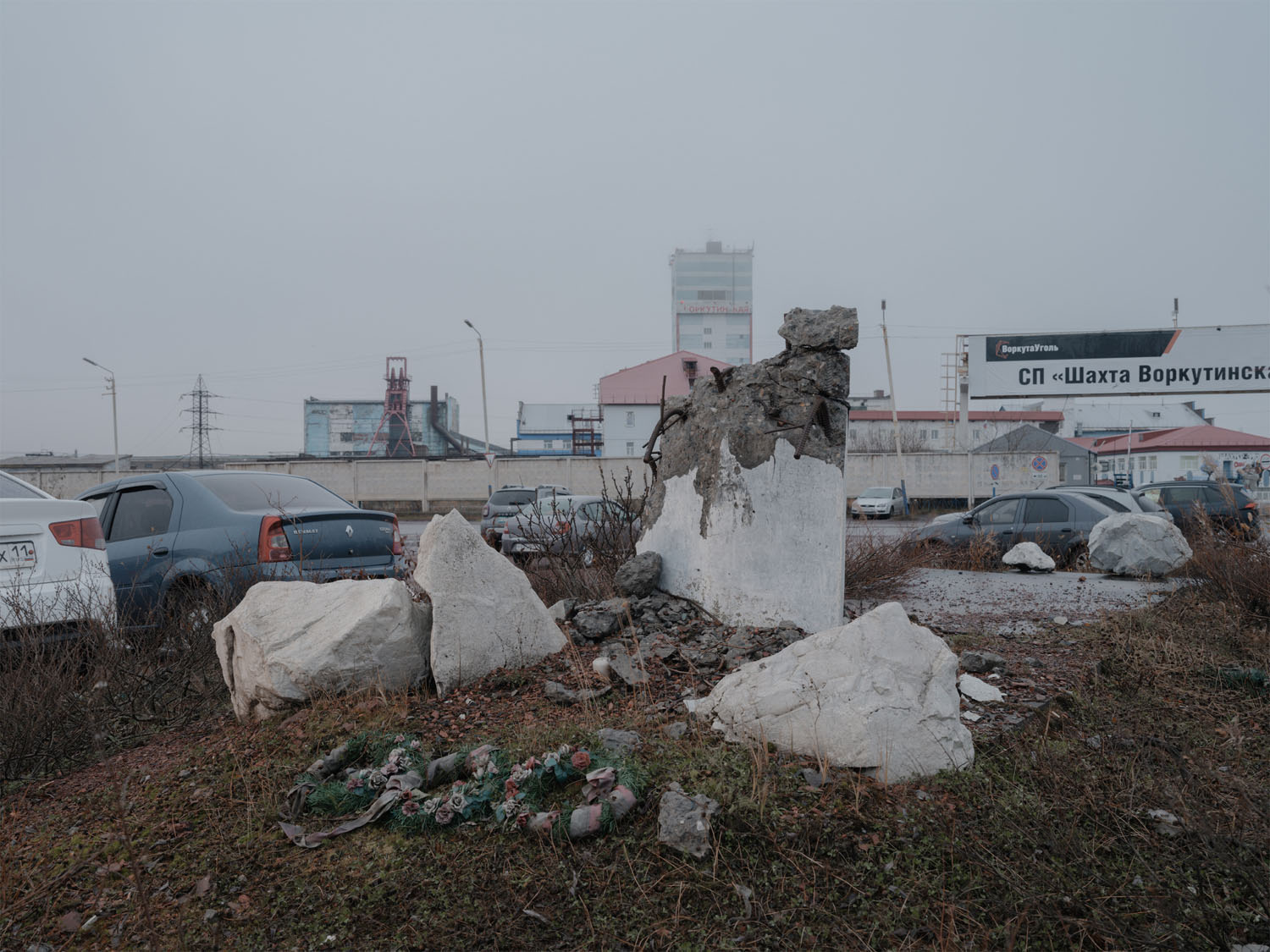
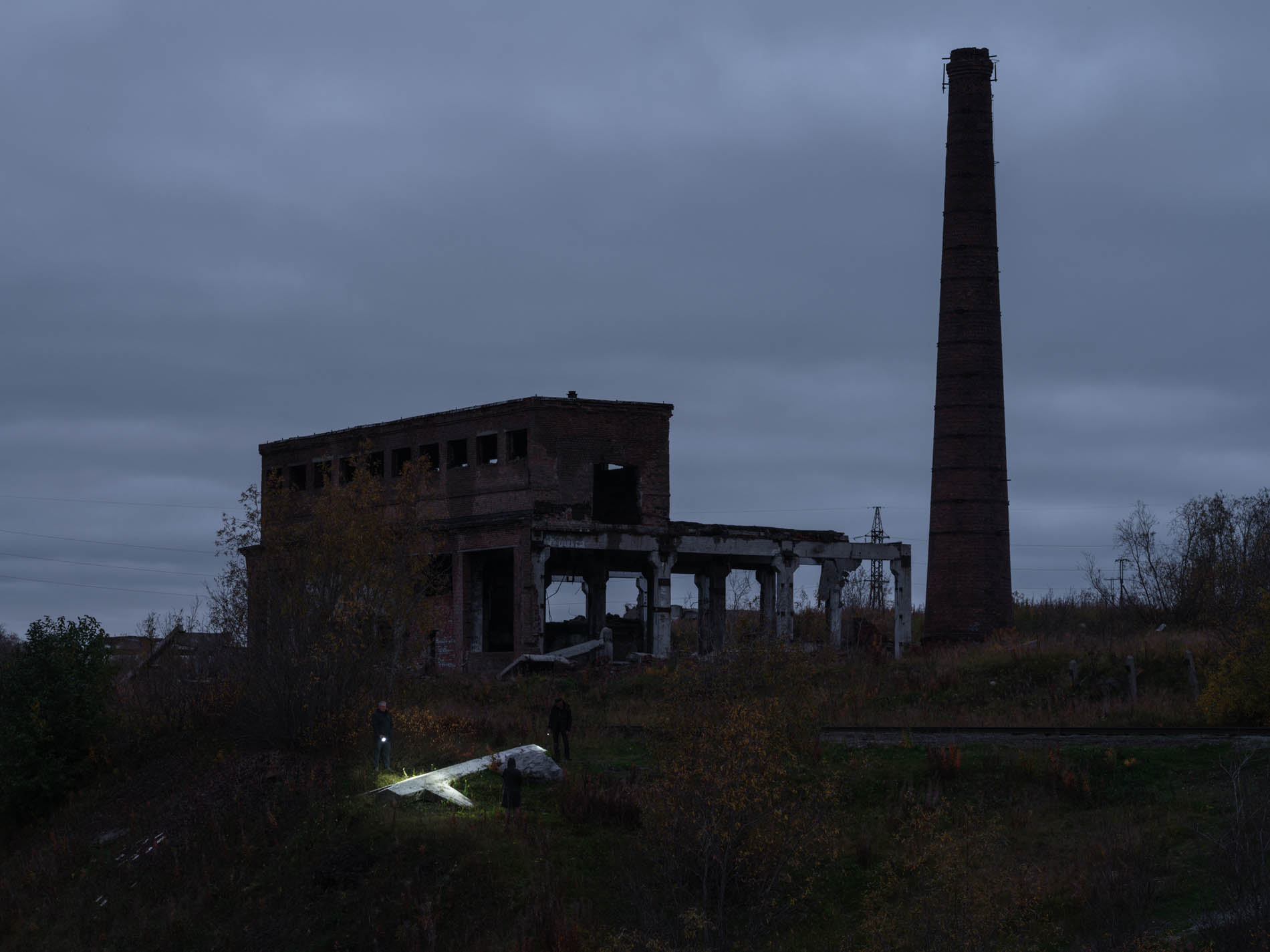
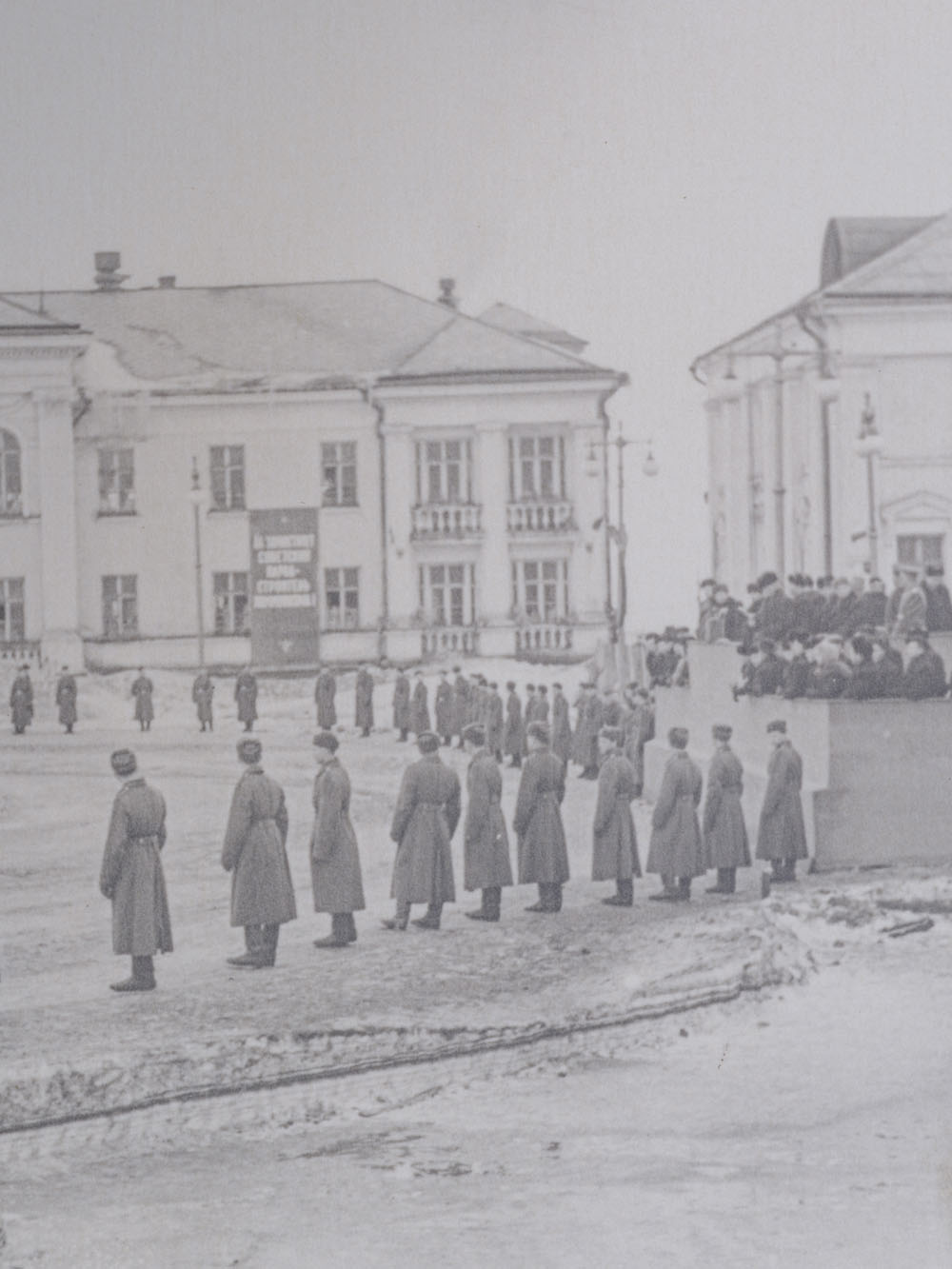
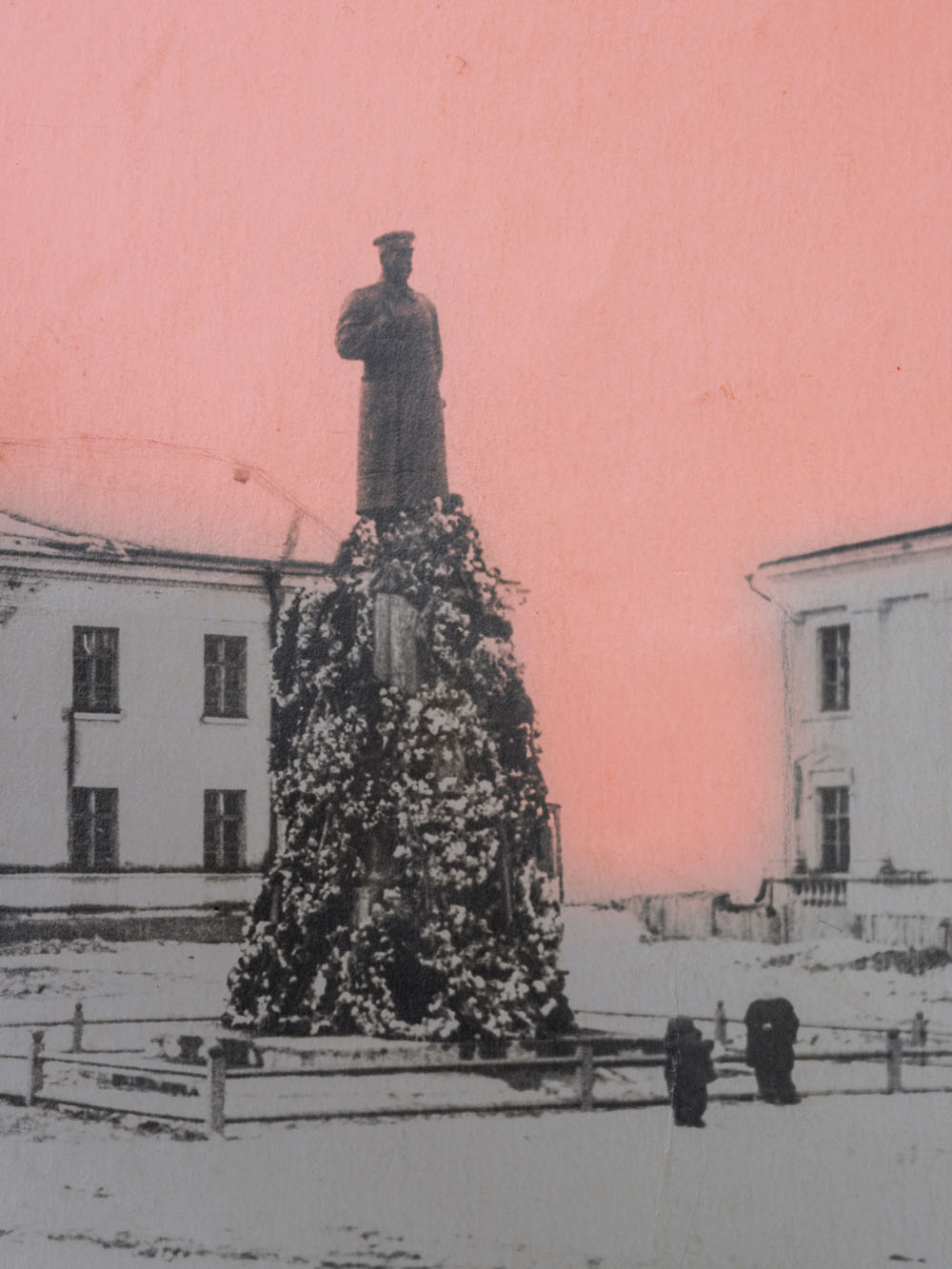
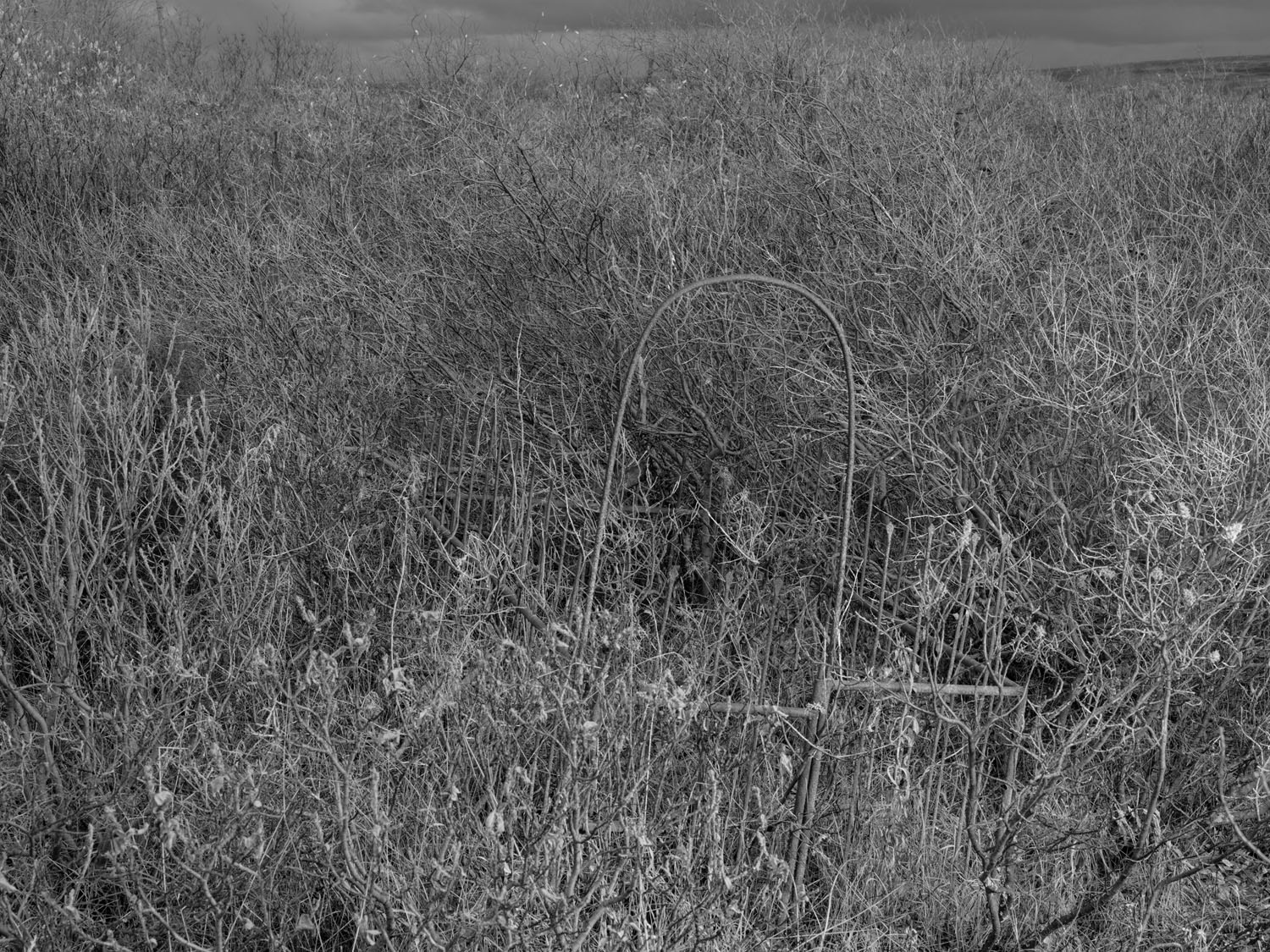
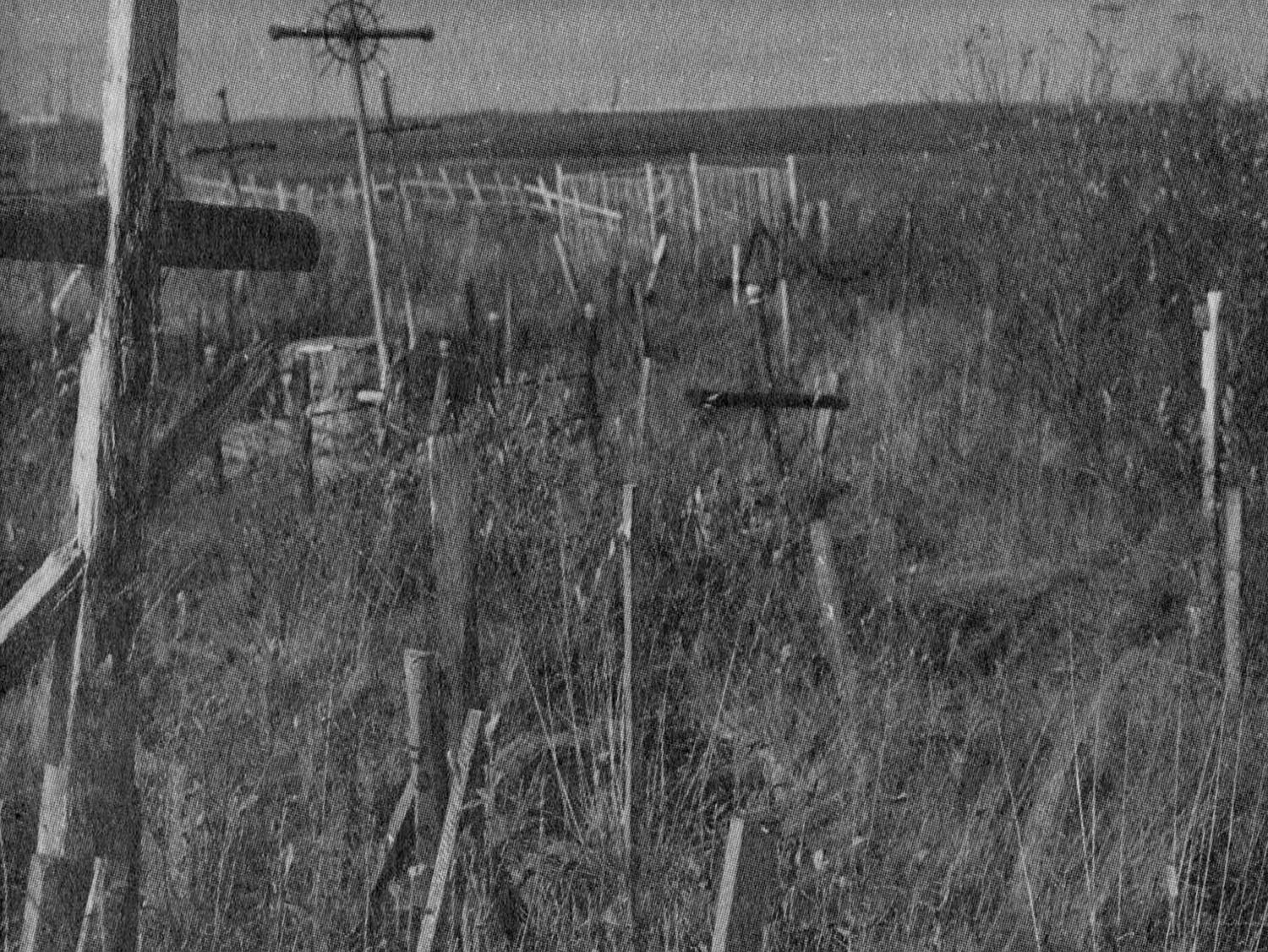
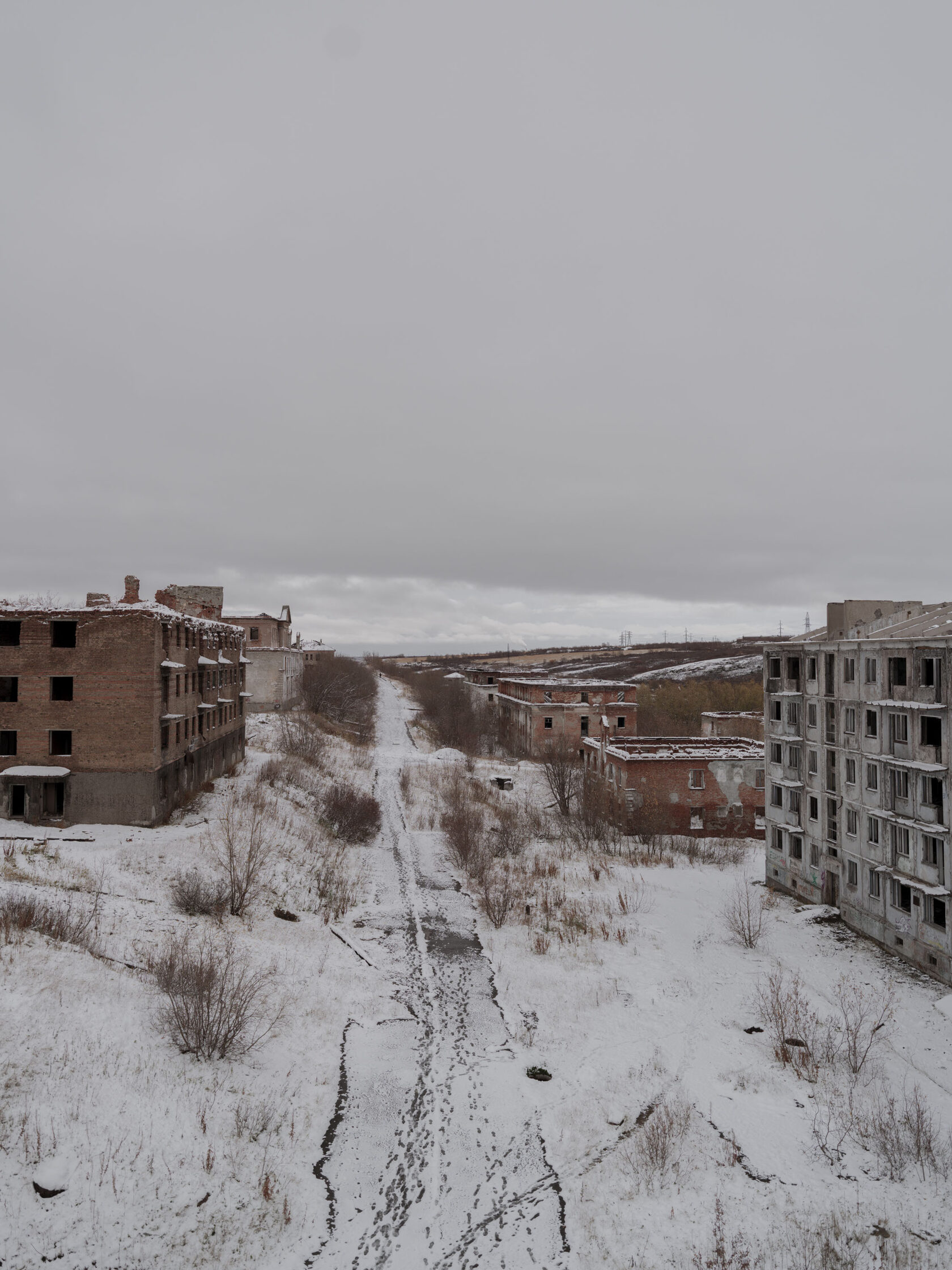
The site of my investigation is the city of Vorkuta. It is here, in my view, that this situation finds its most manifest expression. Although the city was once one of the main centers of the GULAG *** in the USSR, and was originally built by prisoners, this information is today almost entirely absent from the city itself. Moreover, in recent years the authorities of the Russian Federation have deliberately created conditions under which an increasing number of documents disappear from Vorkuta’s archives and museums, while sites of memory in the urban space are erased.
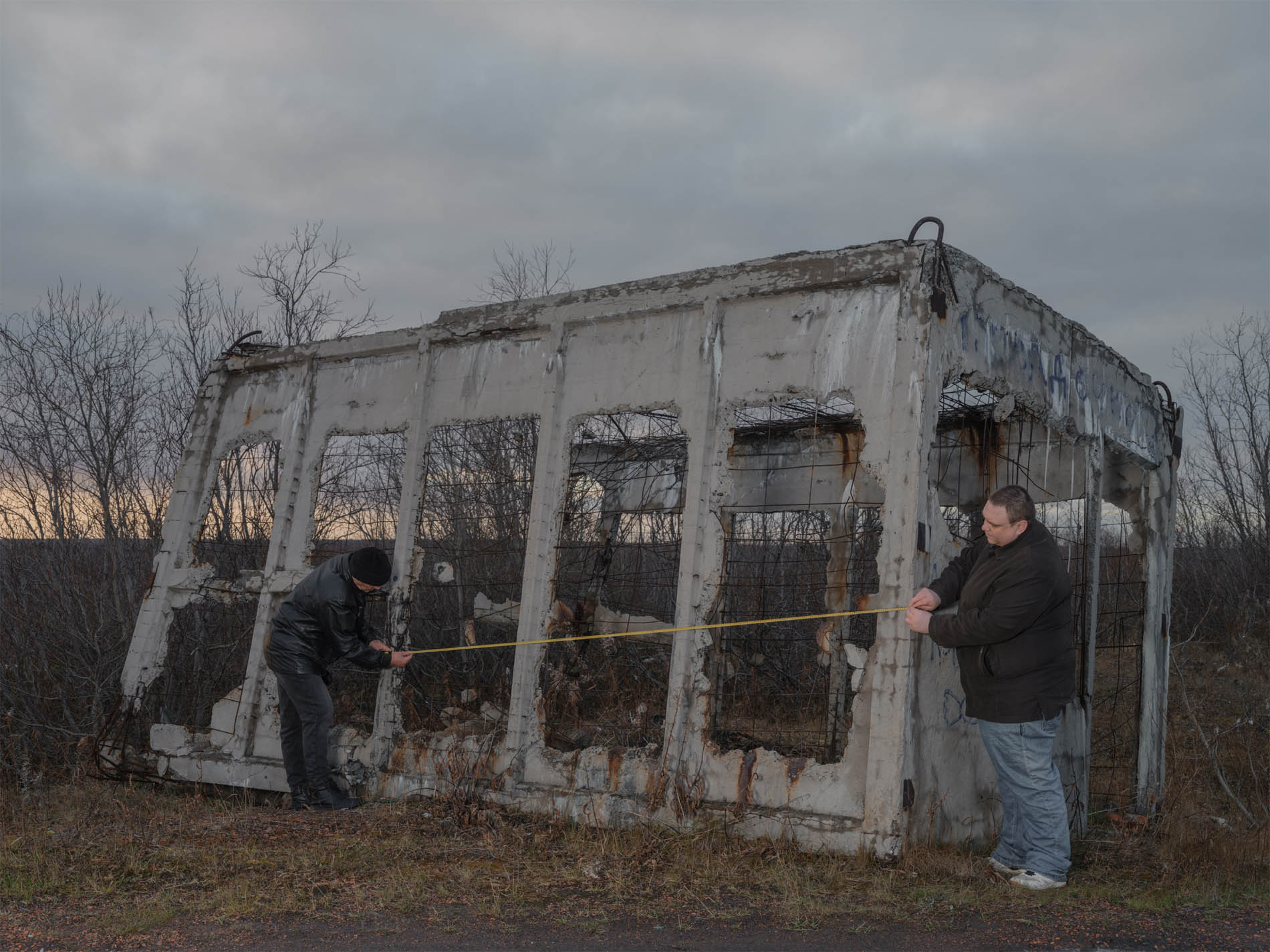
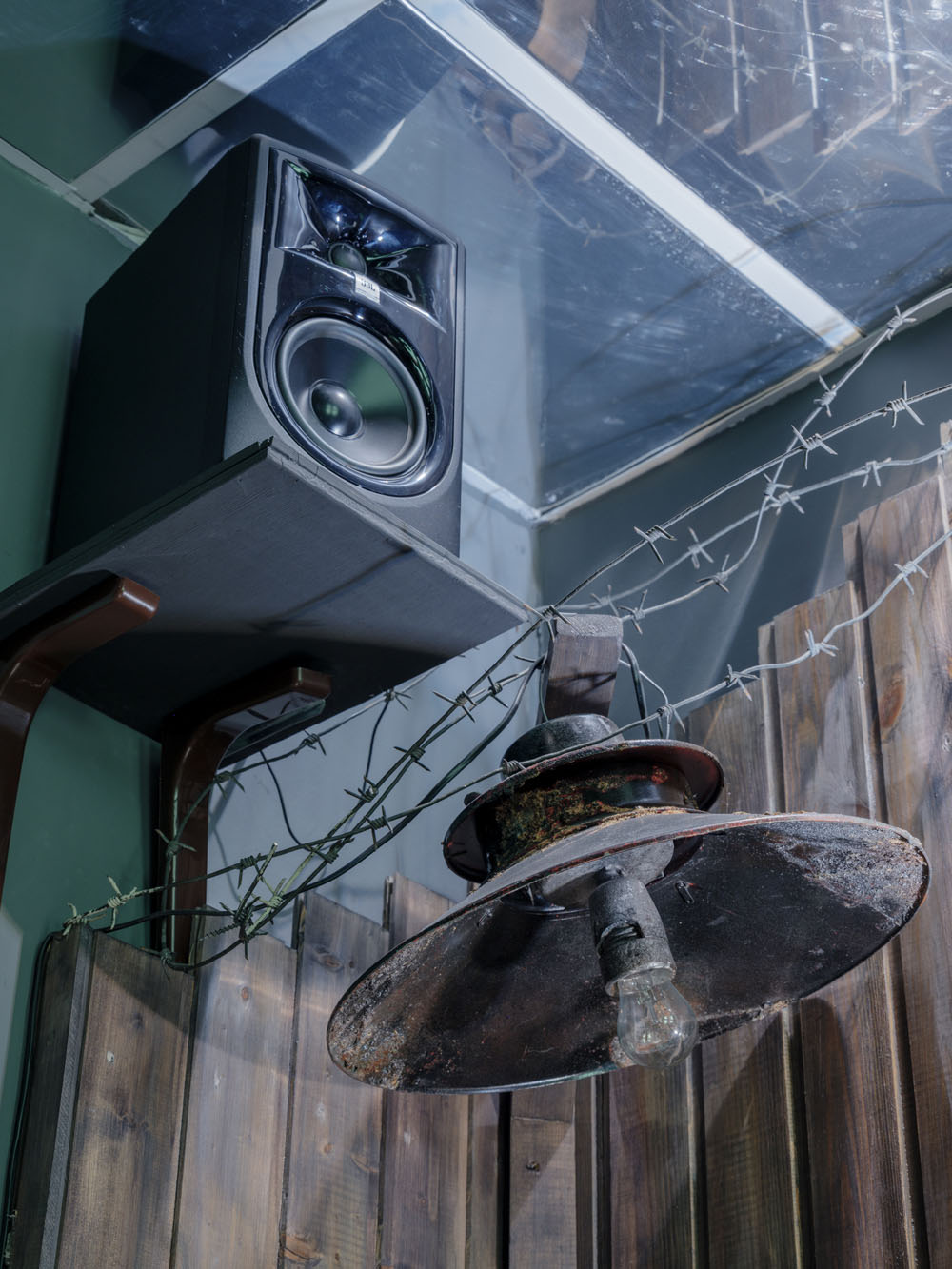
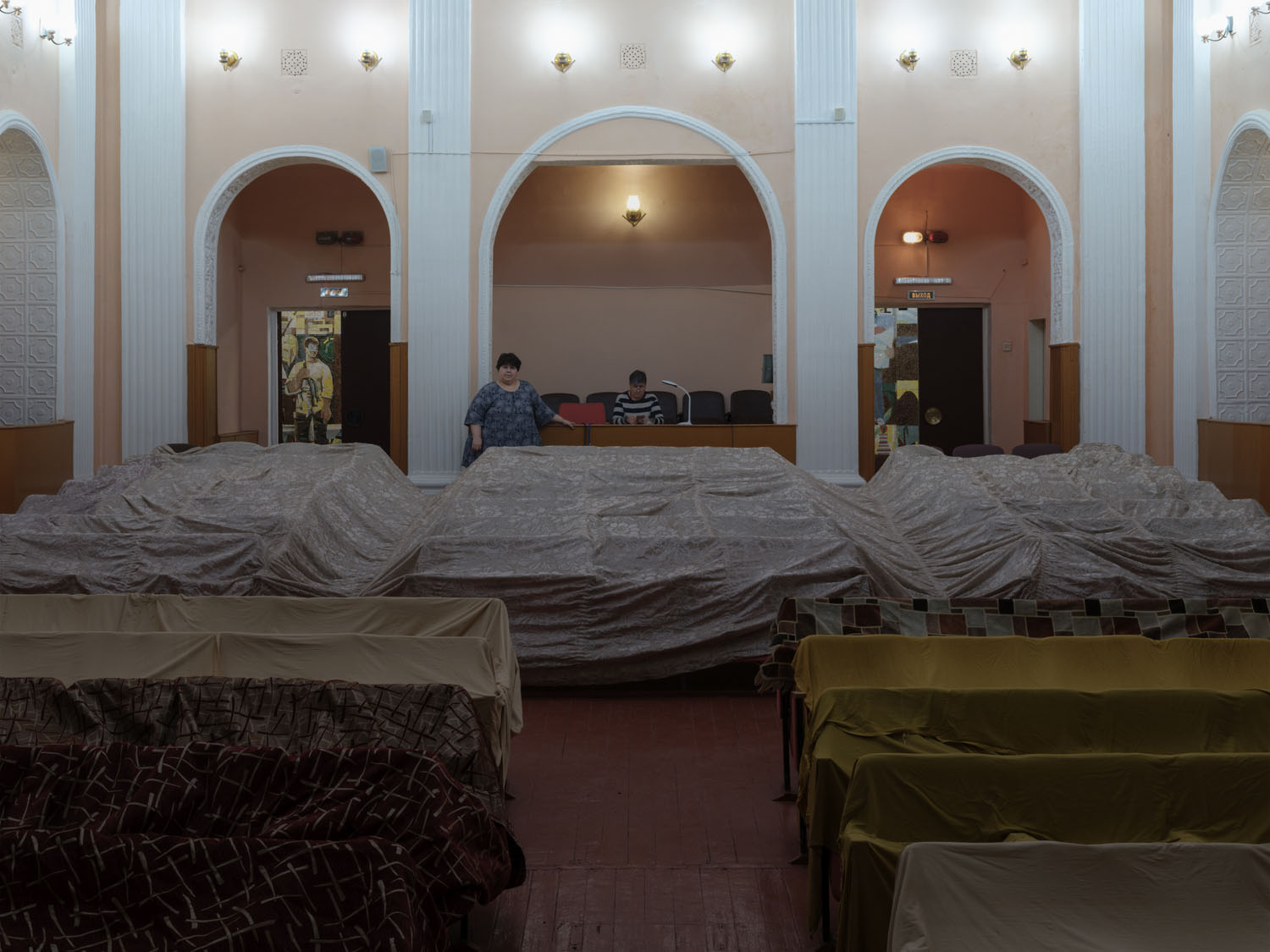
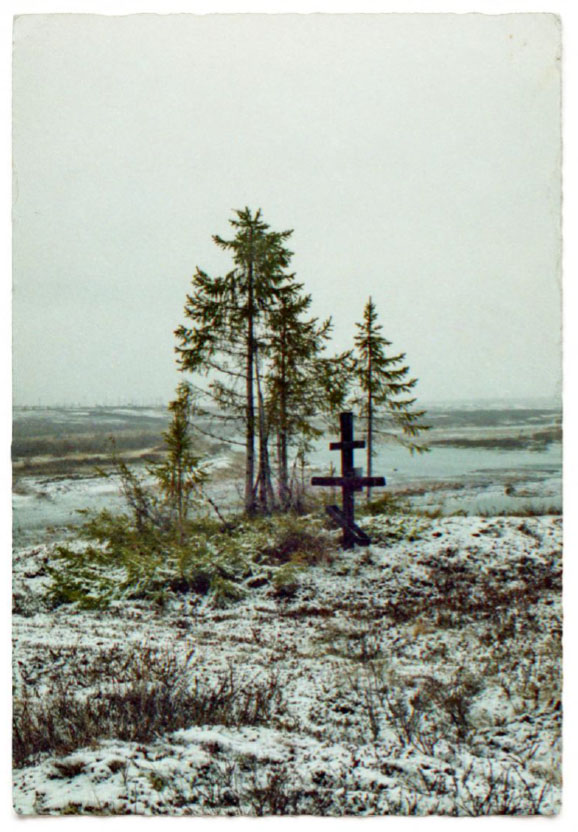
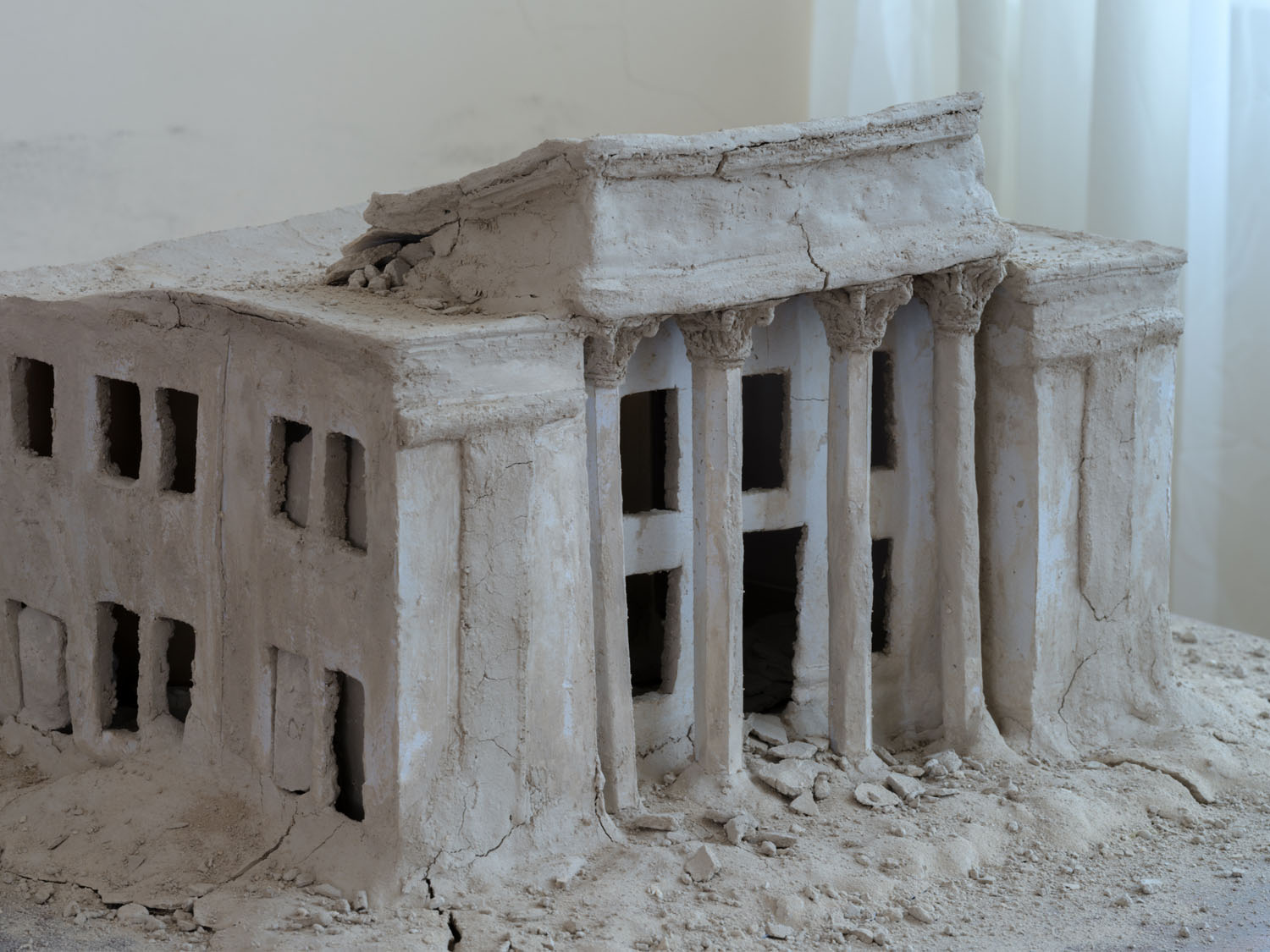
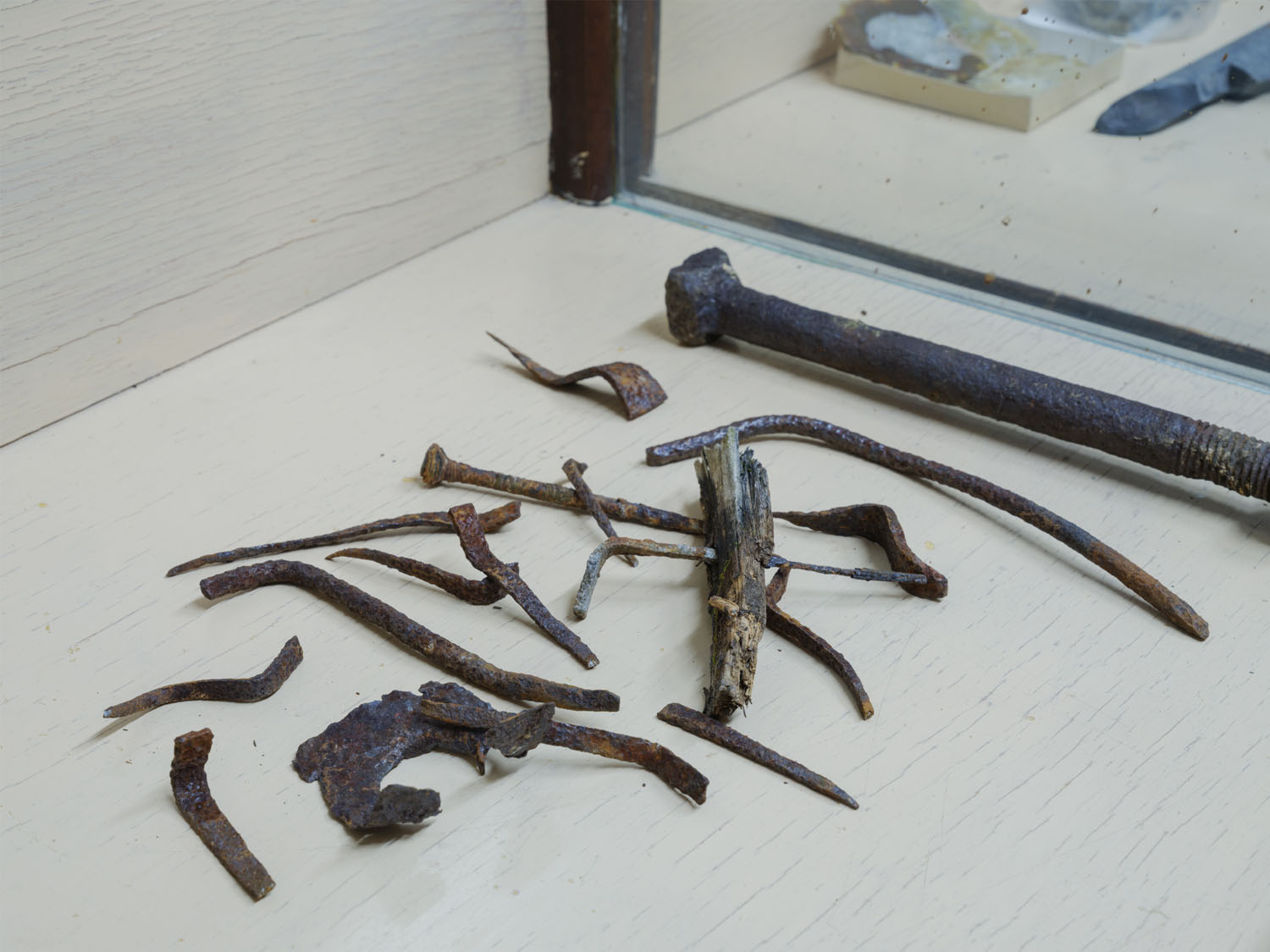
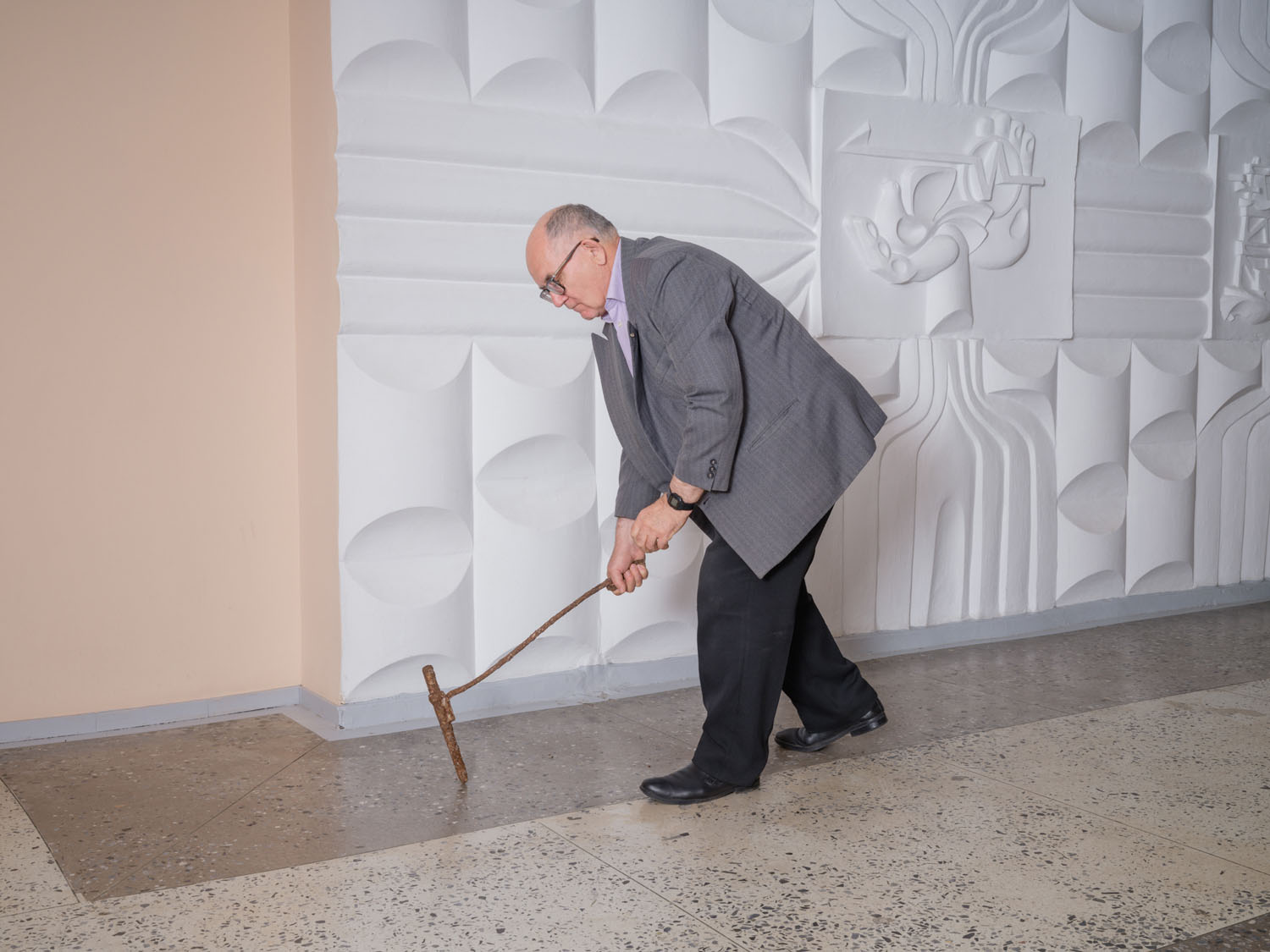
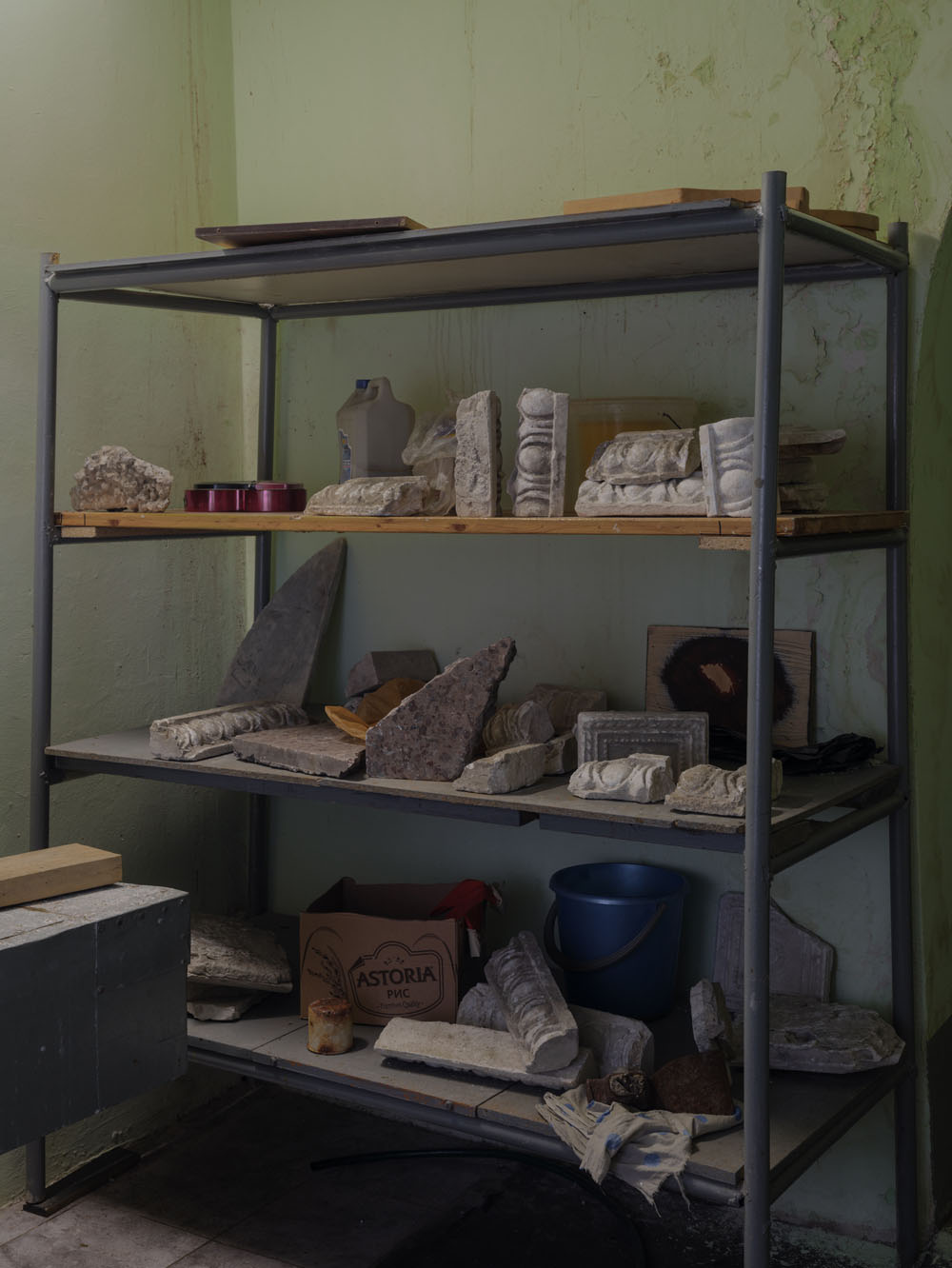
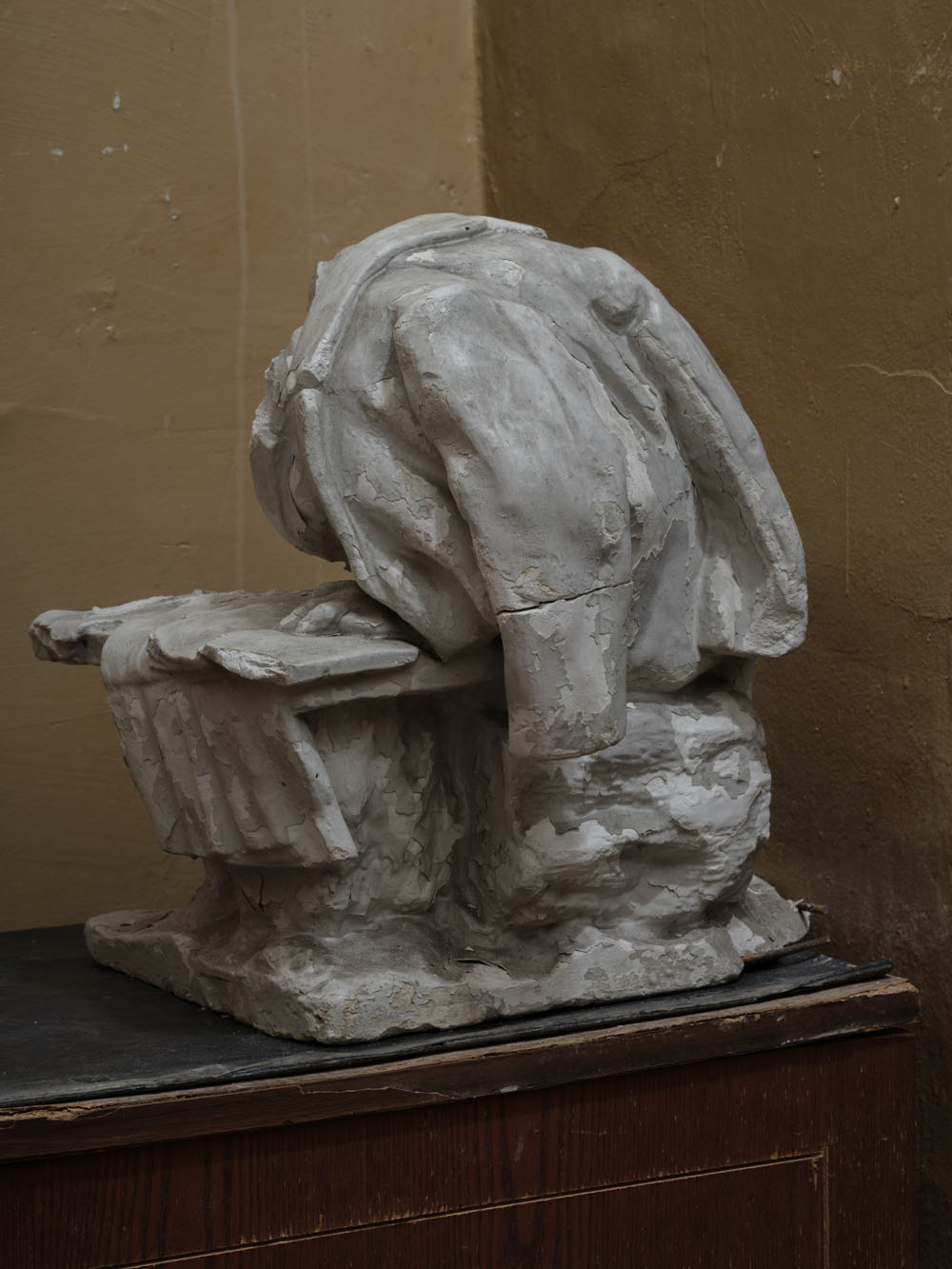
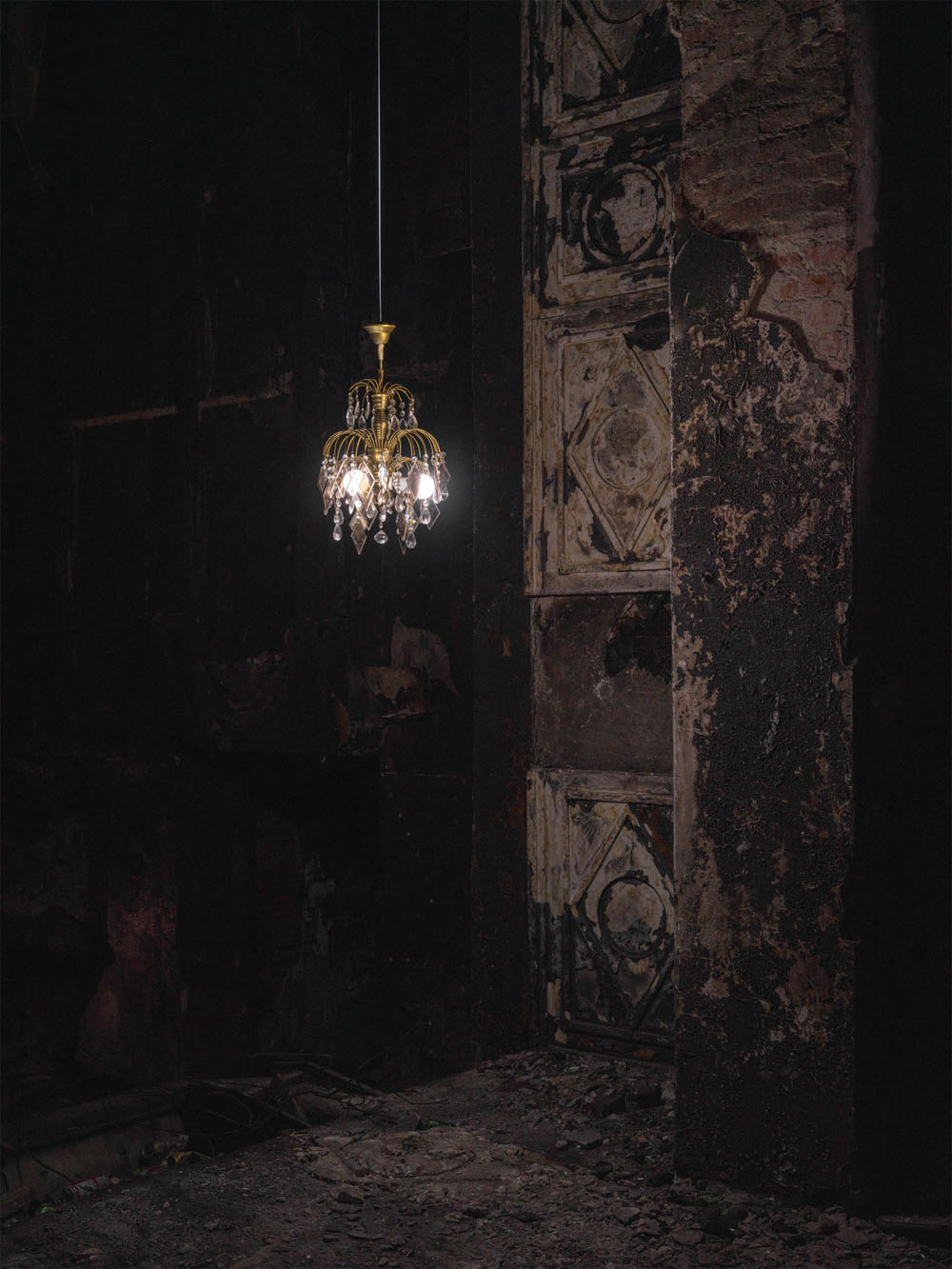
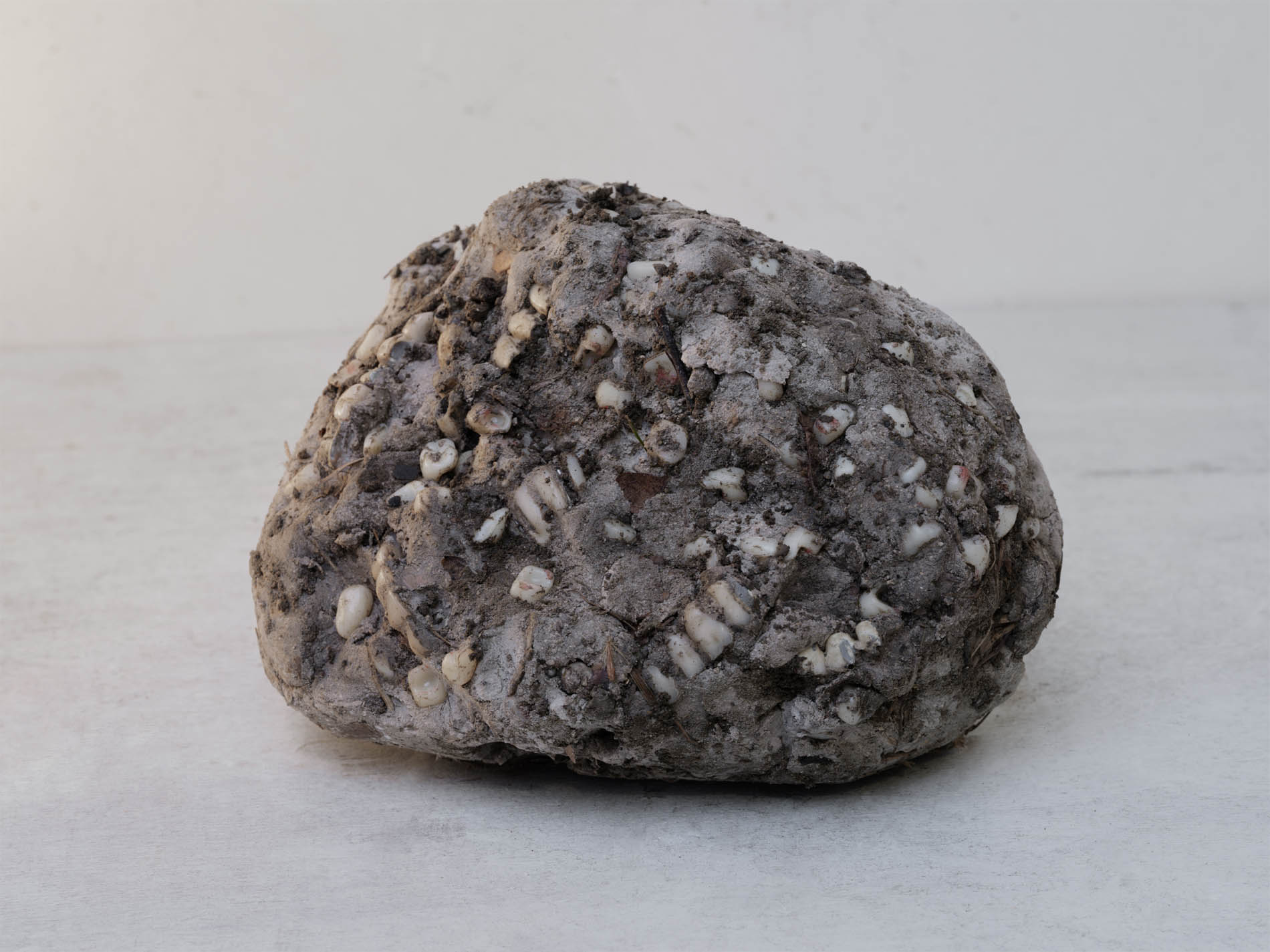
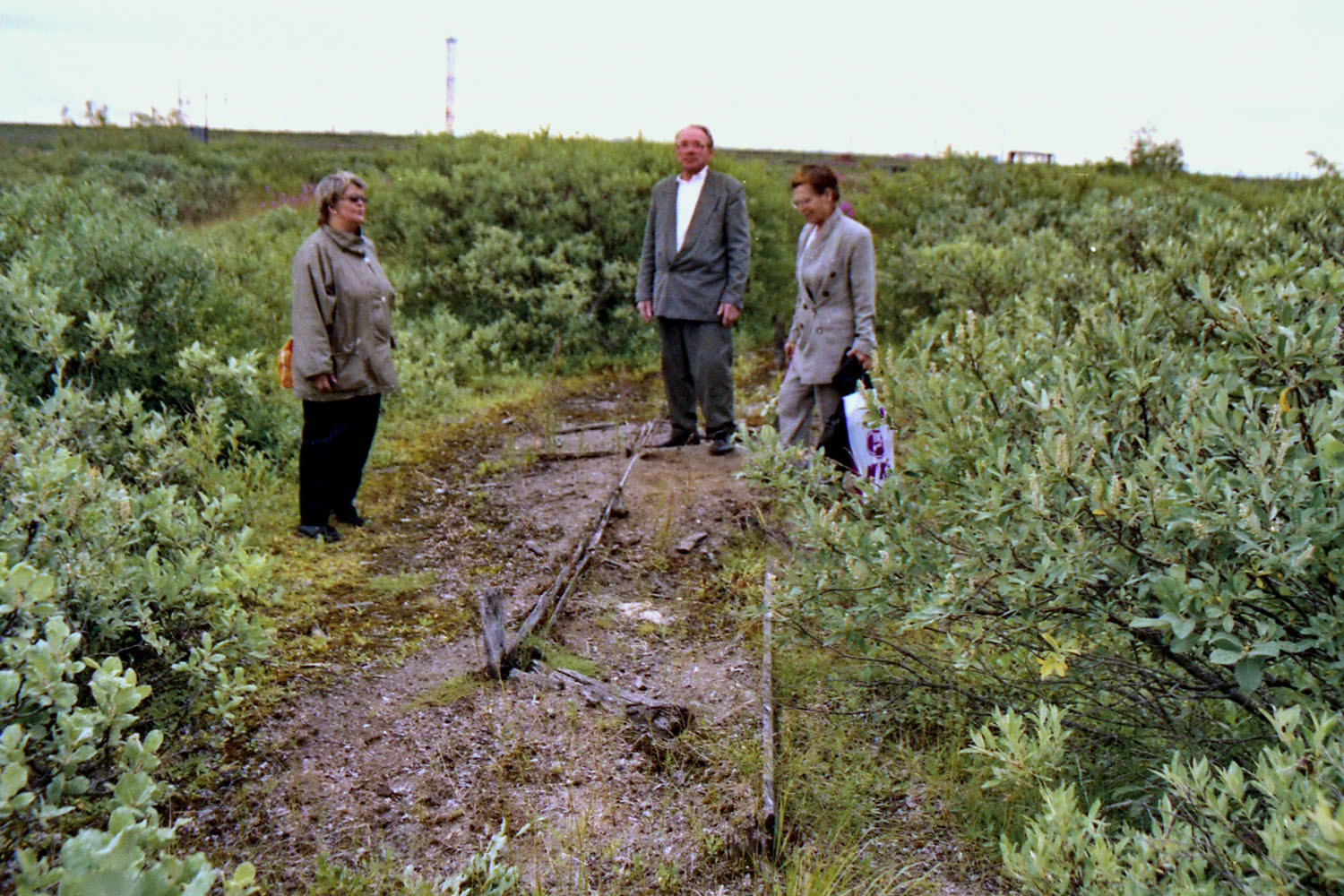
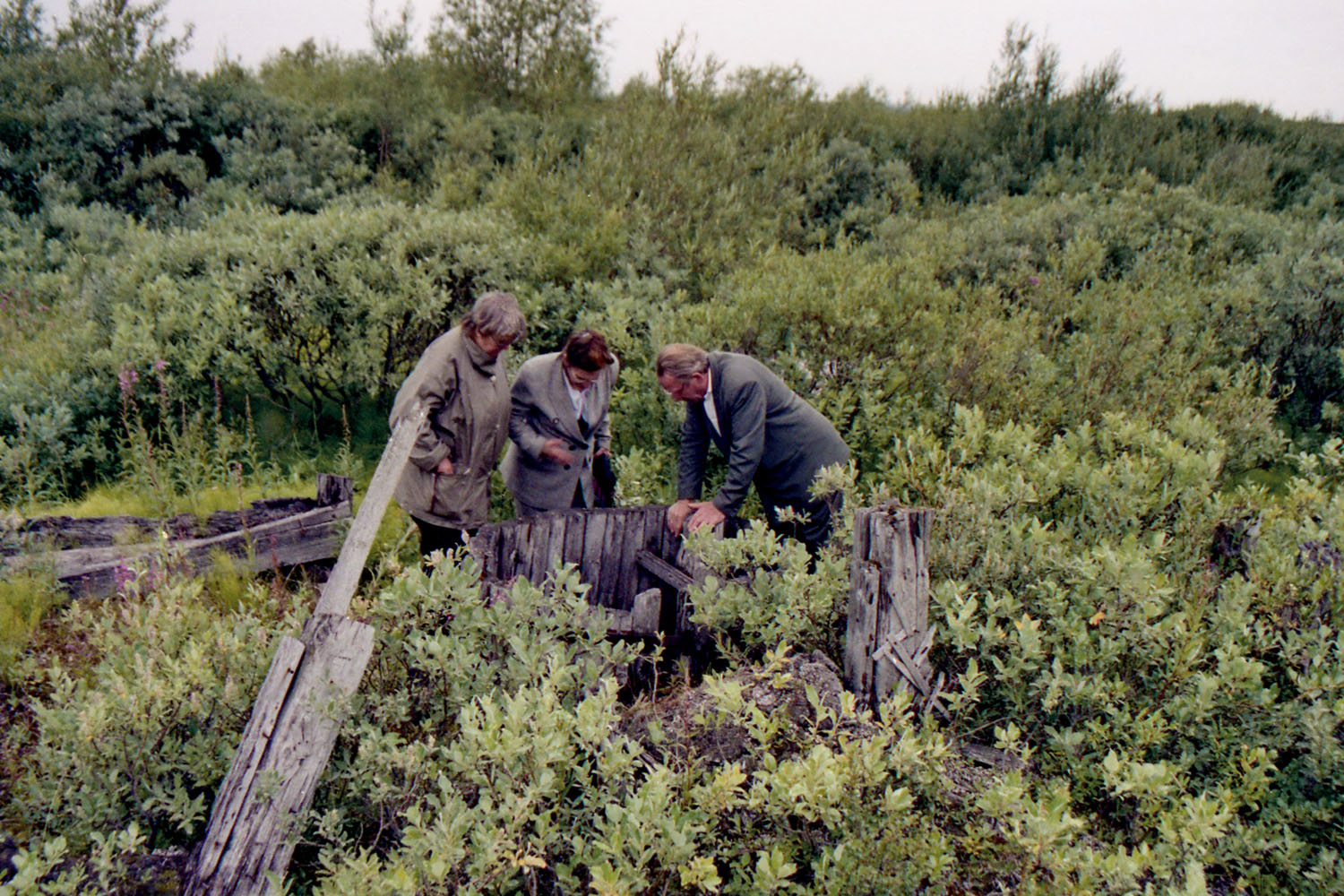
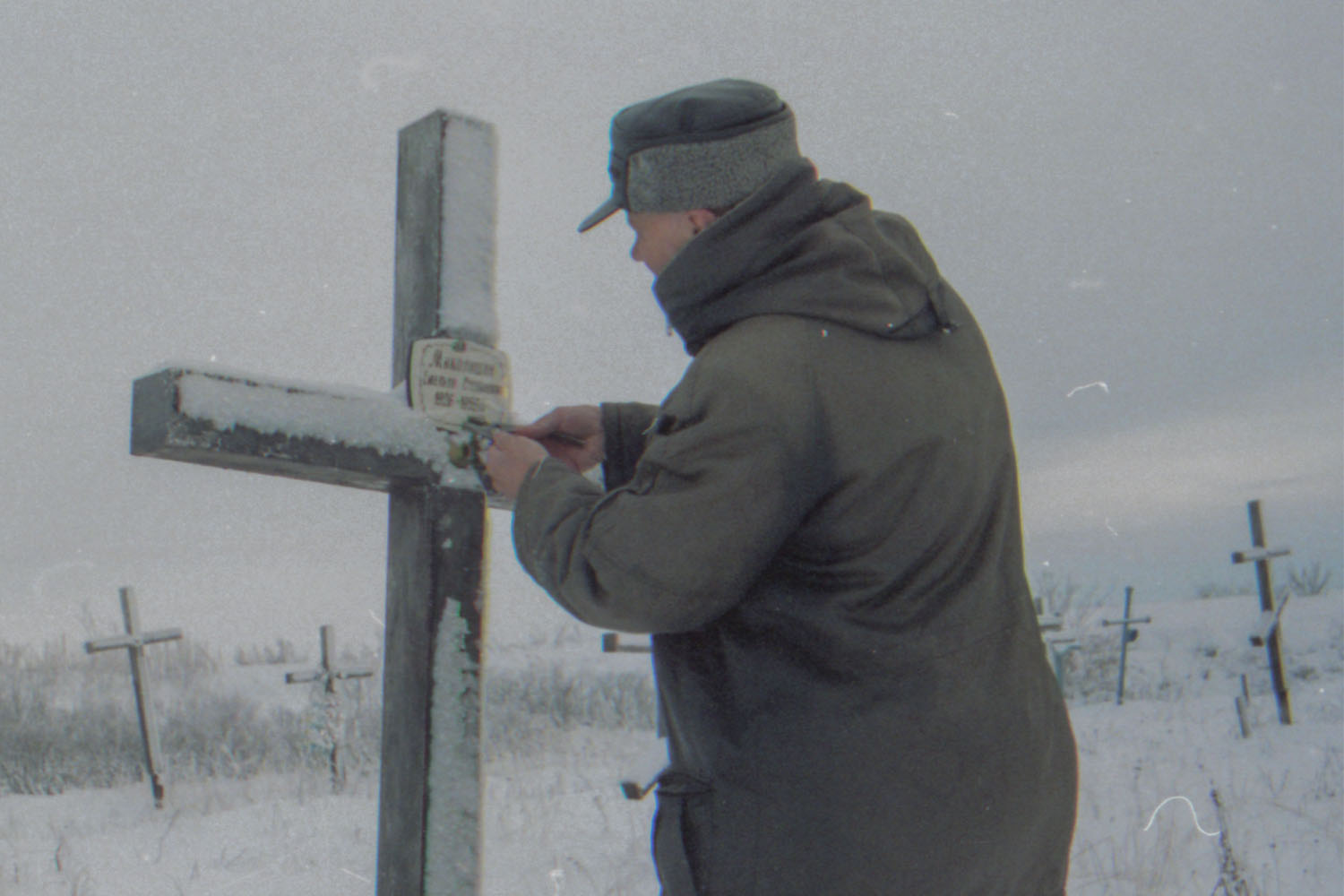
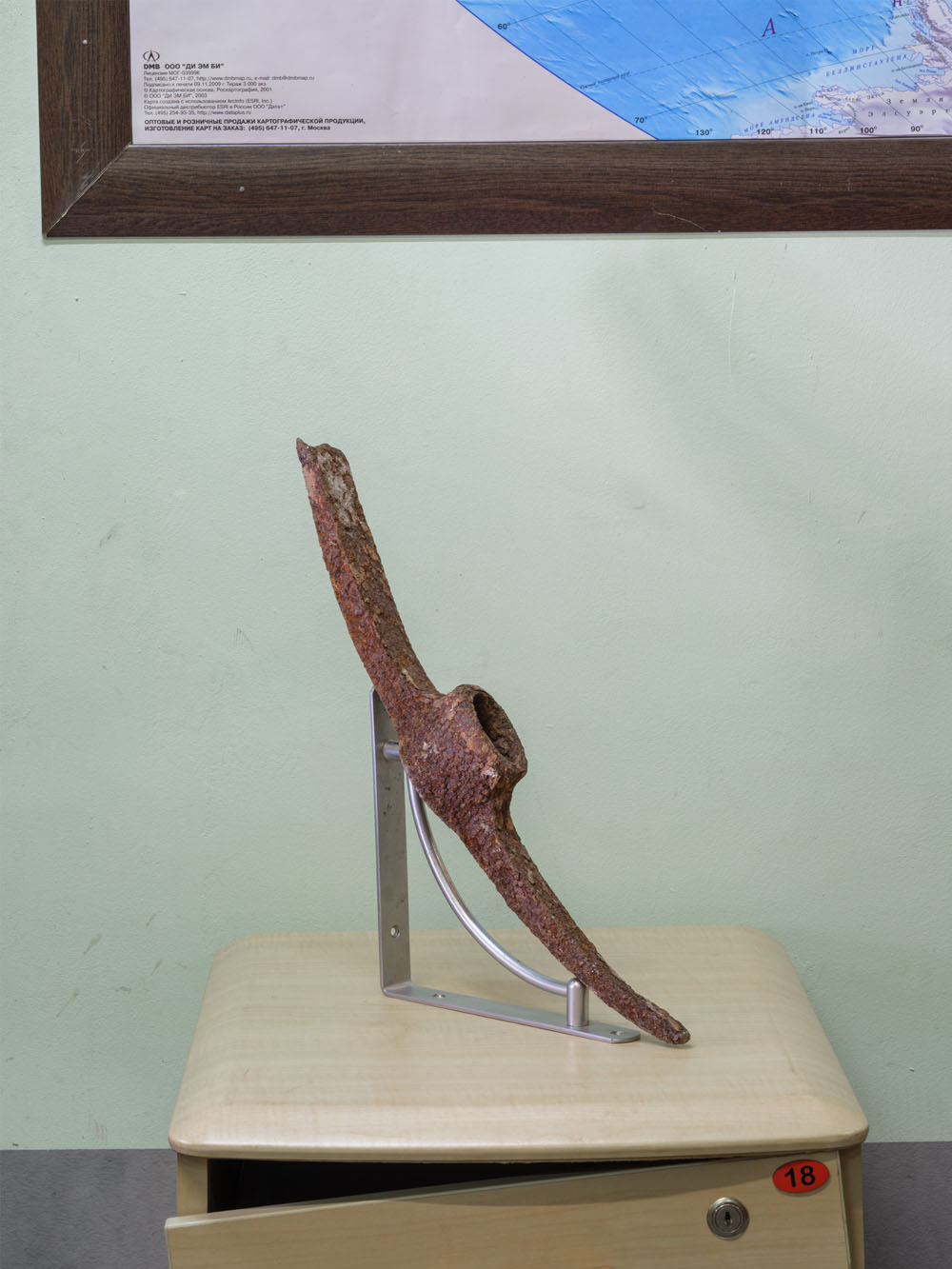
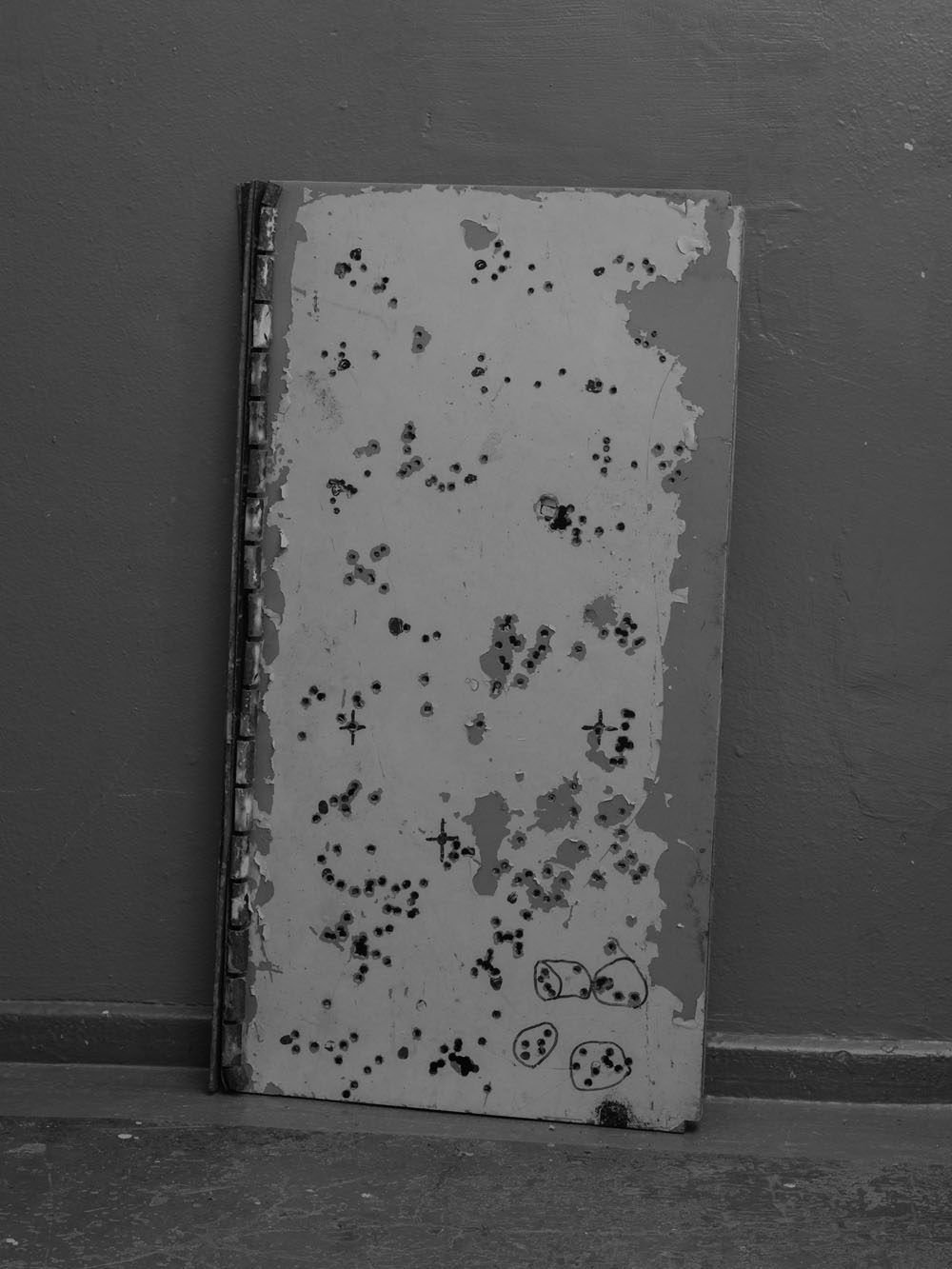
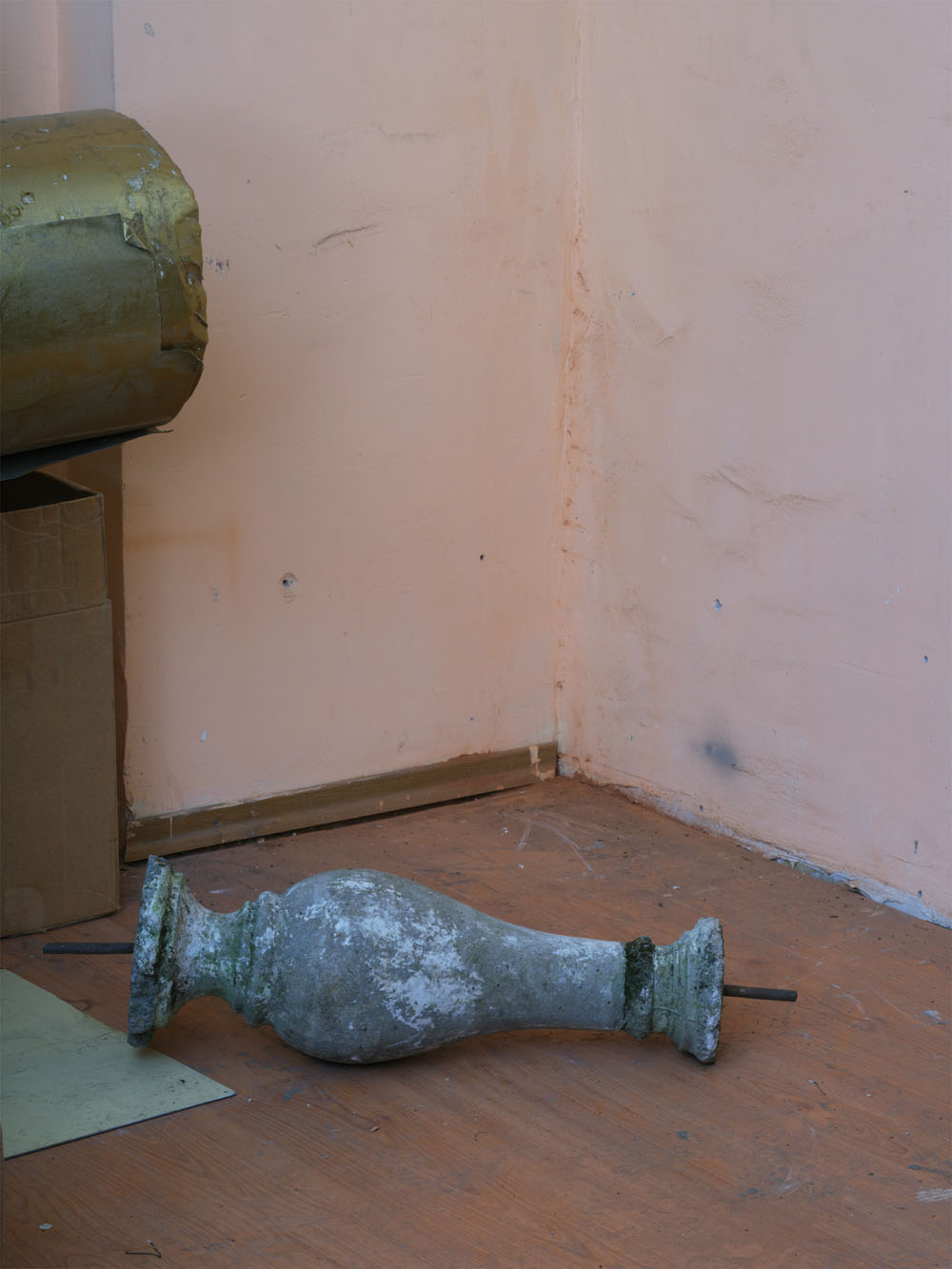
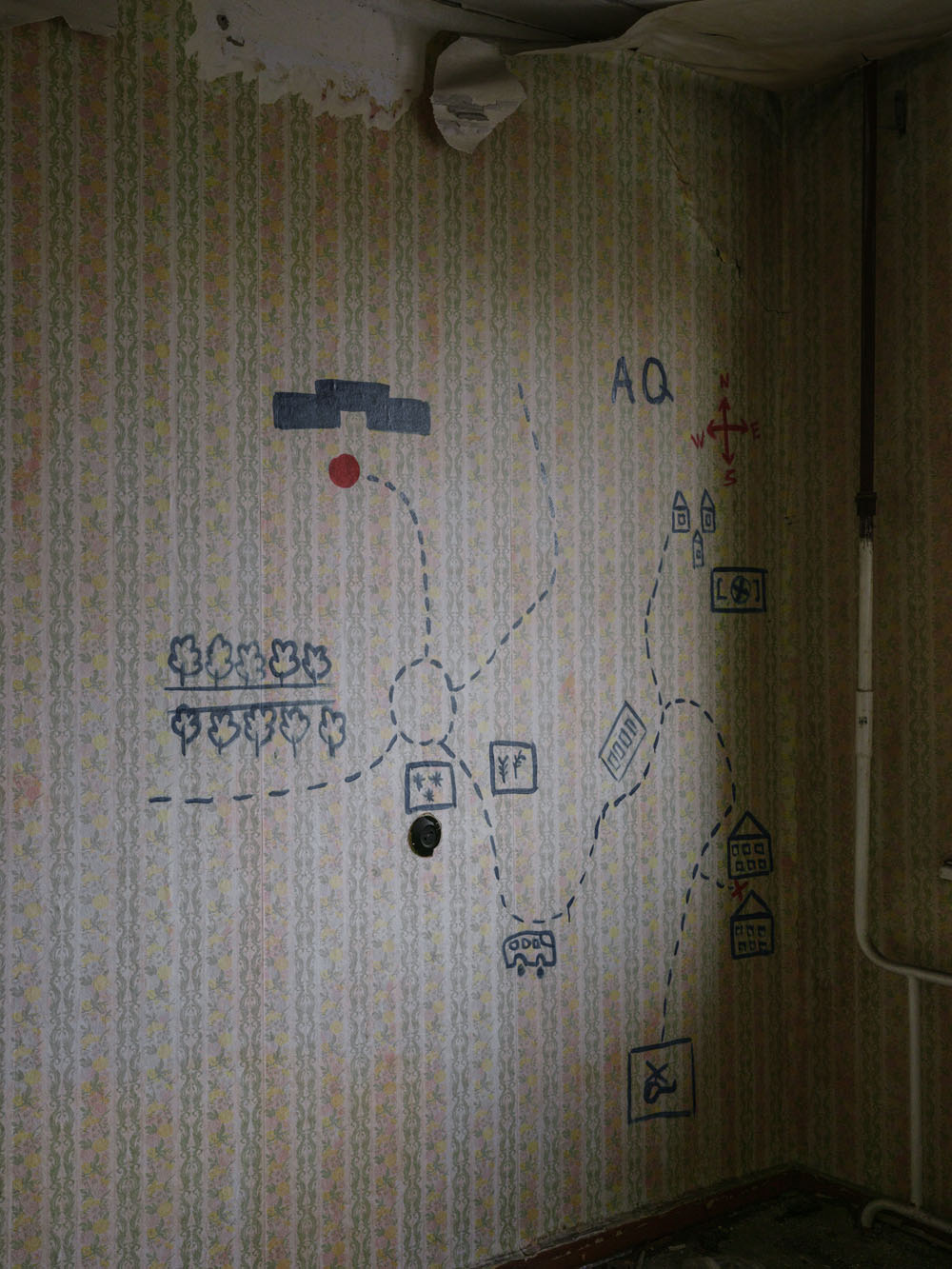
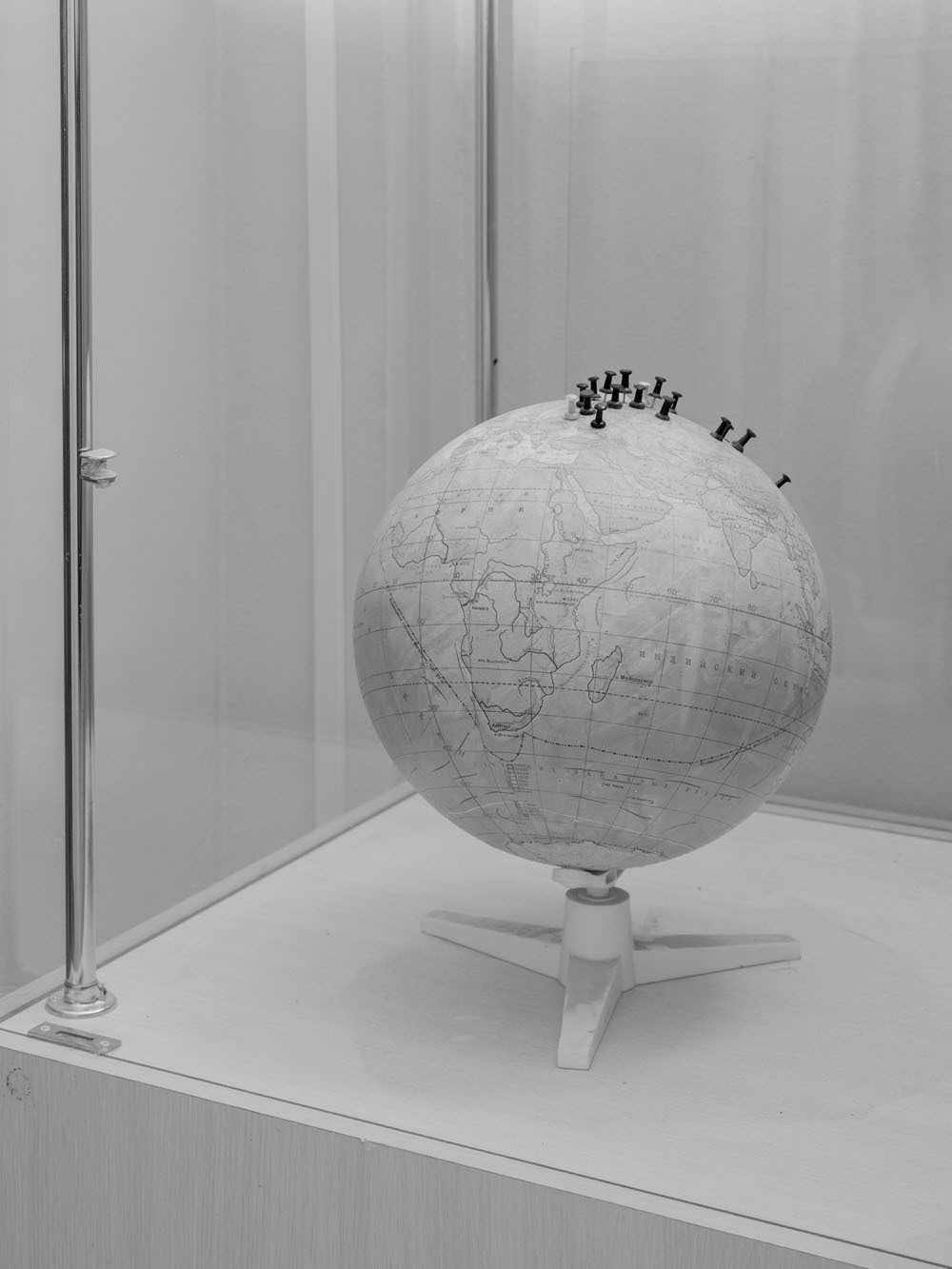
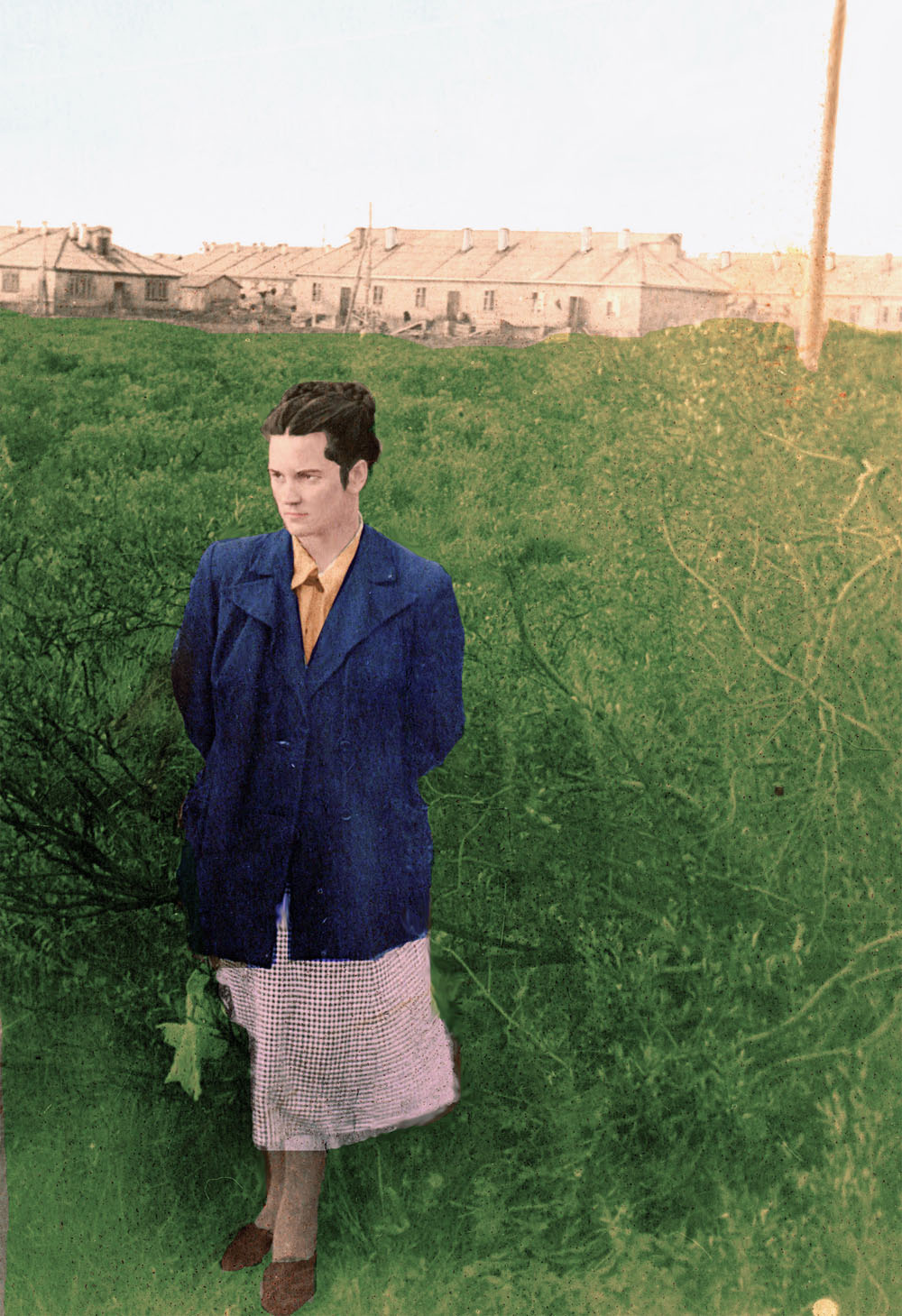
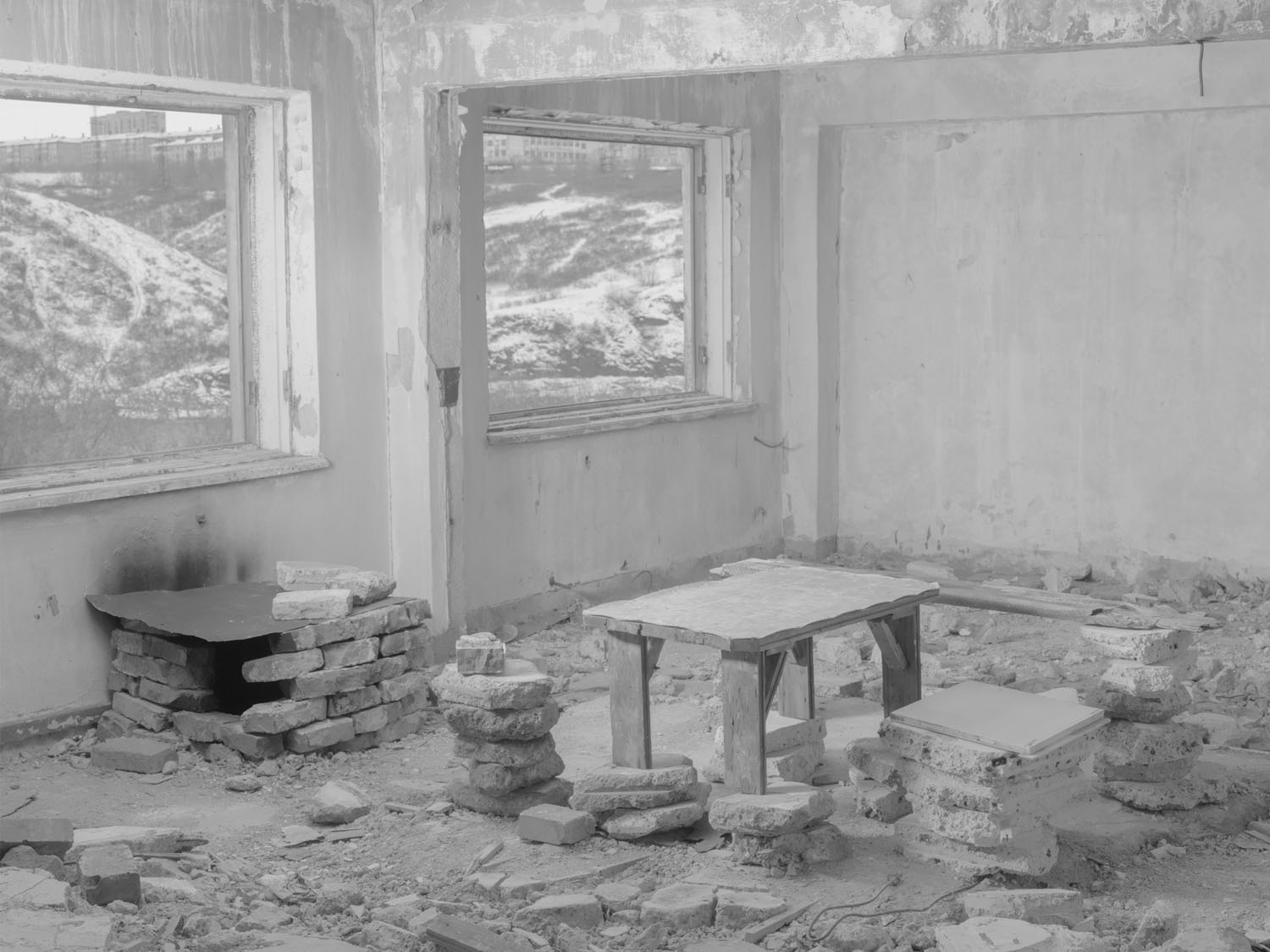
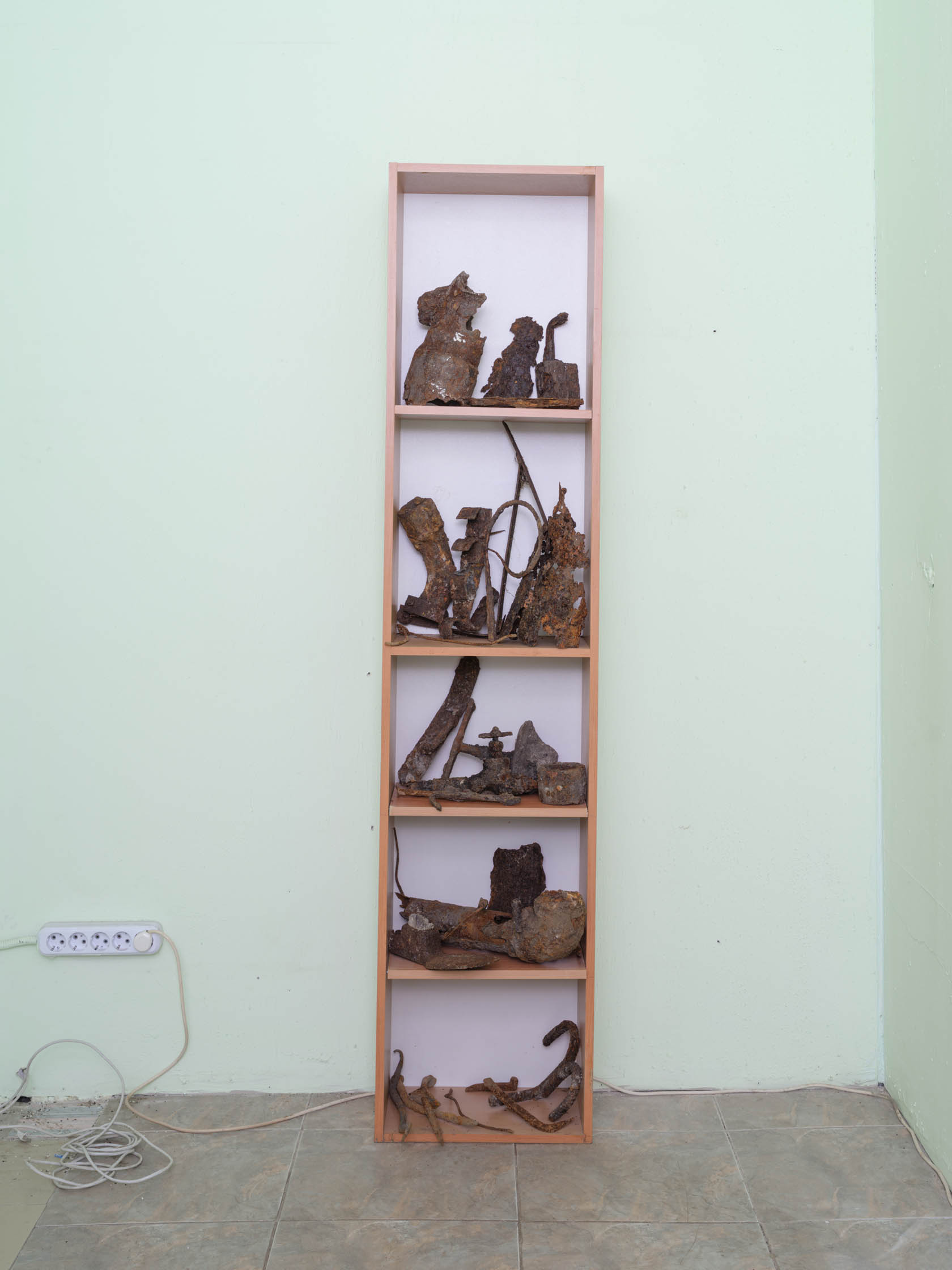
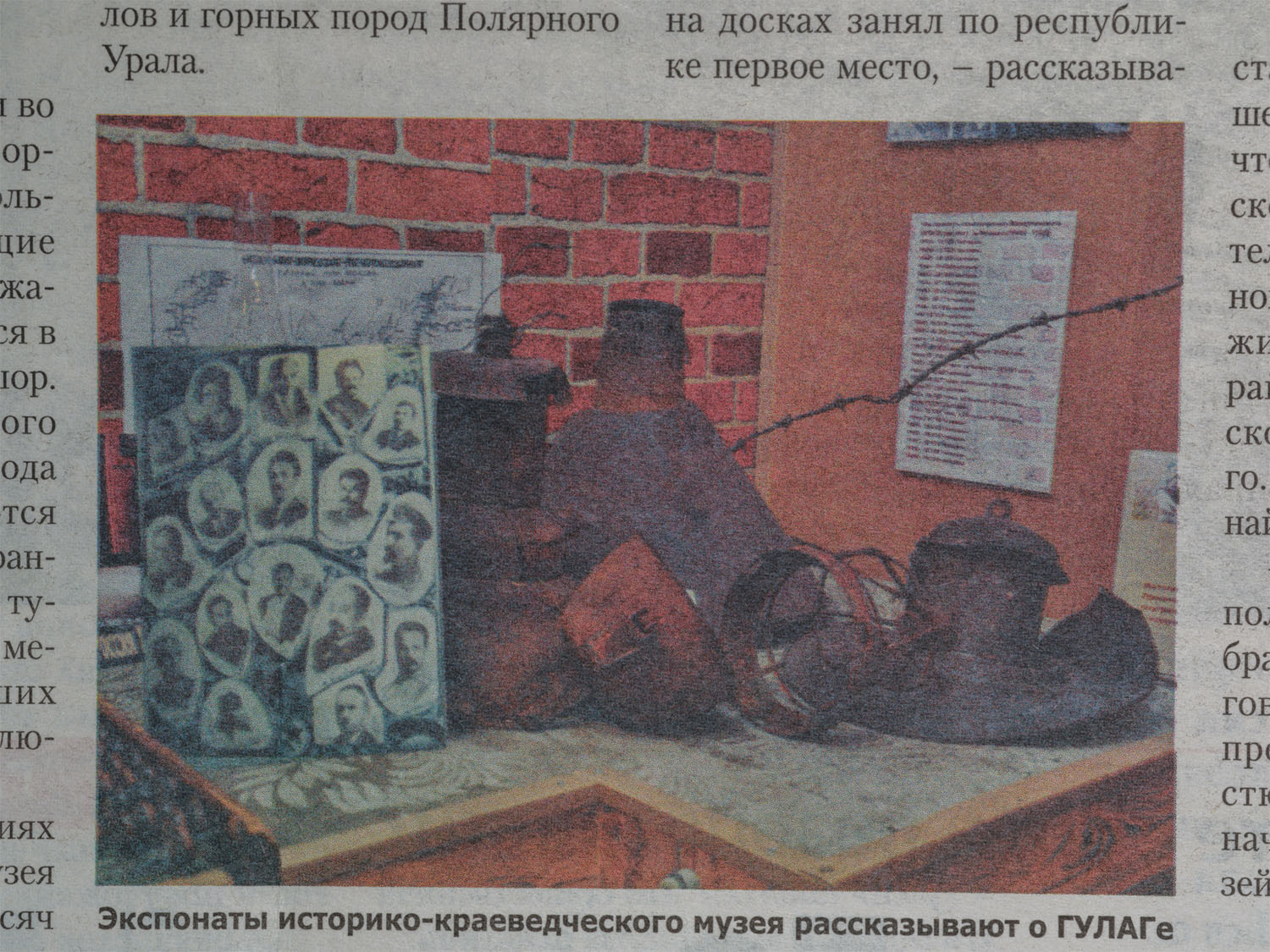
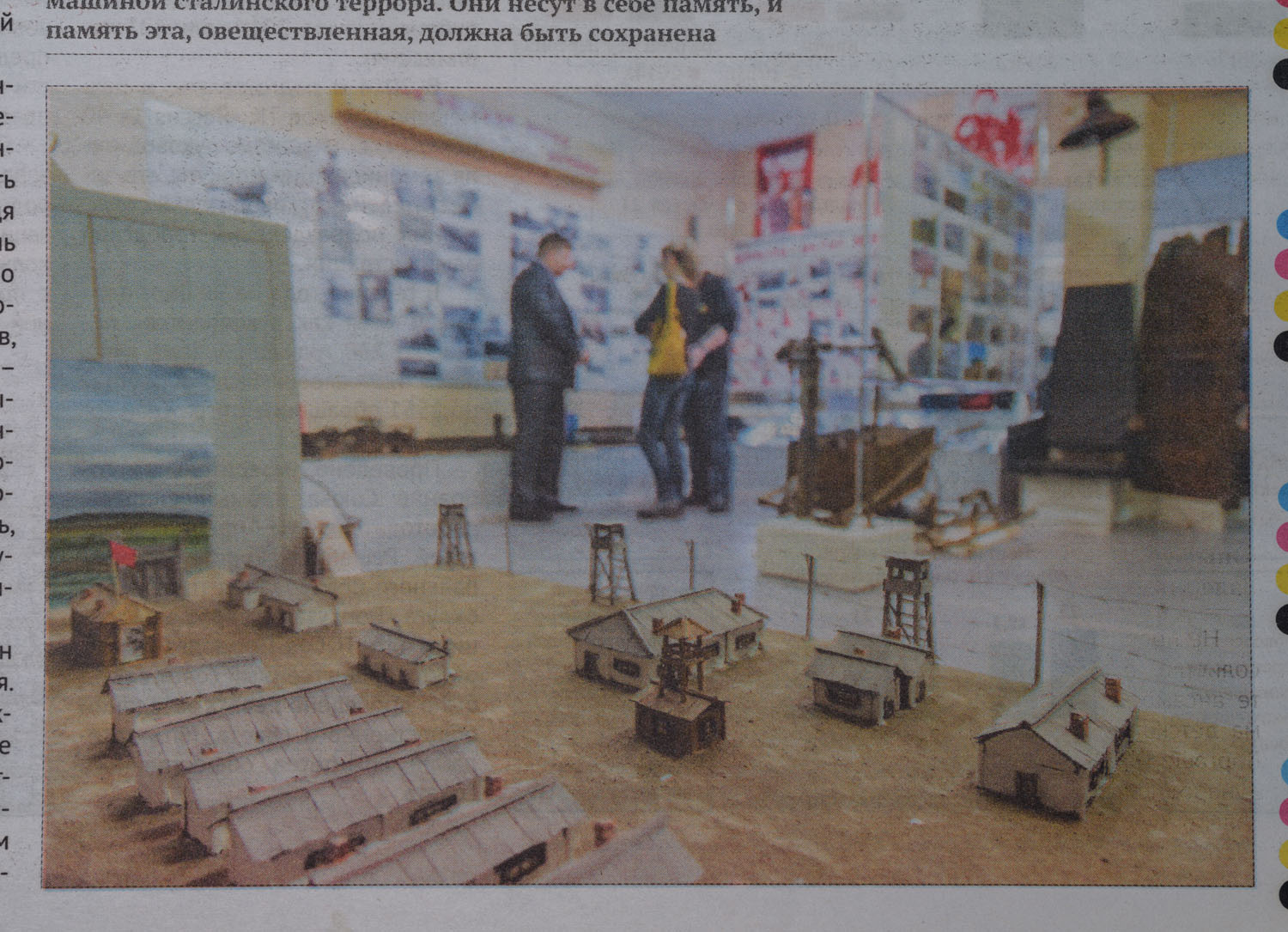
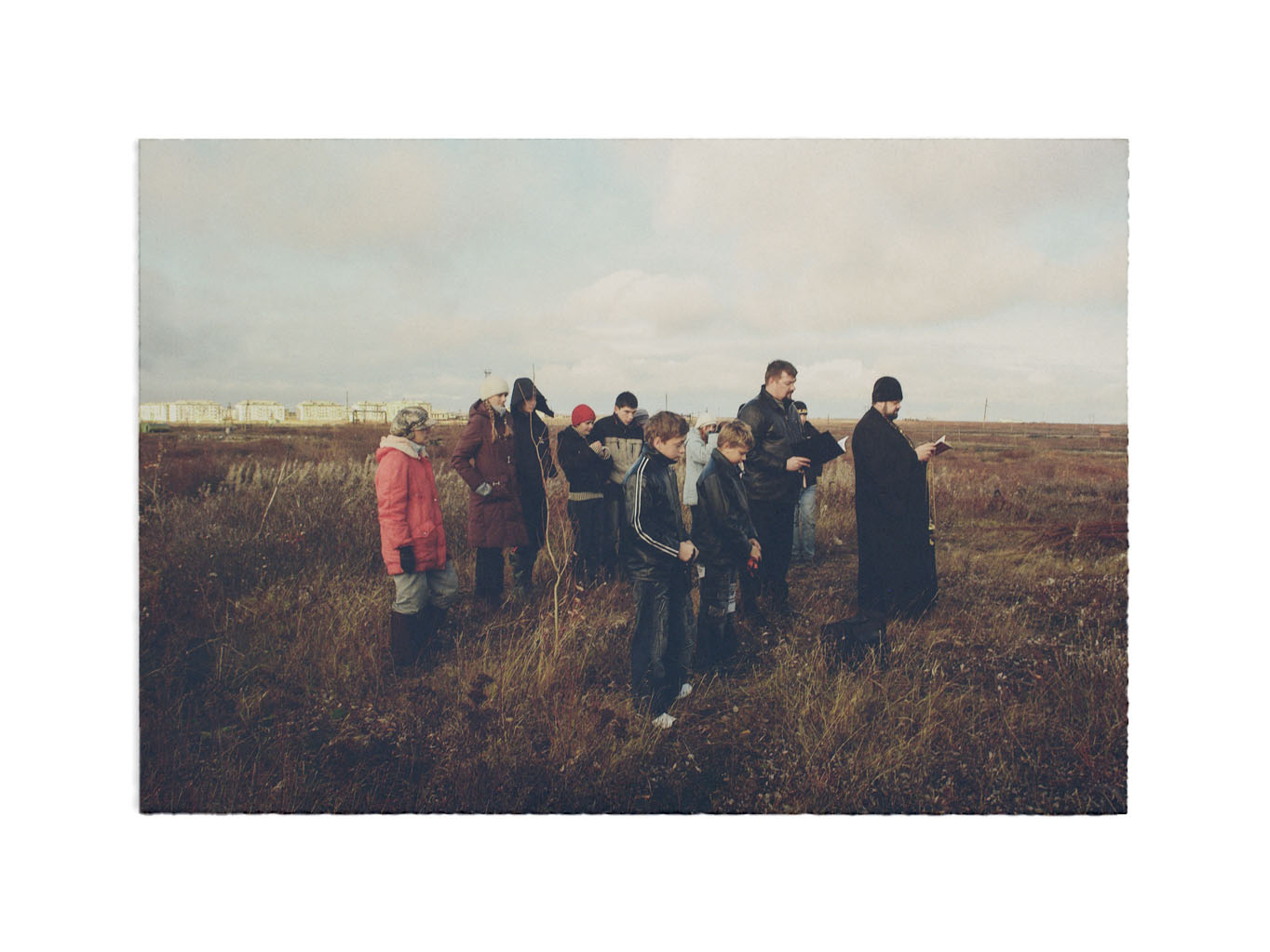
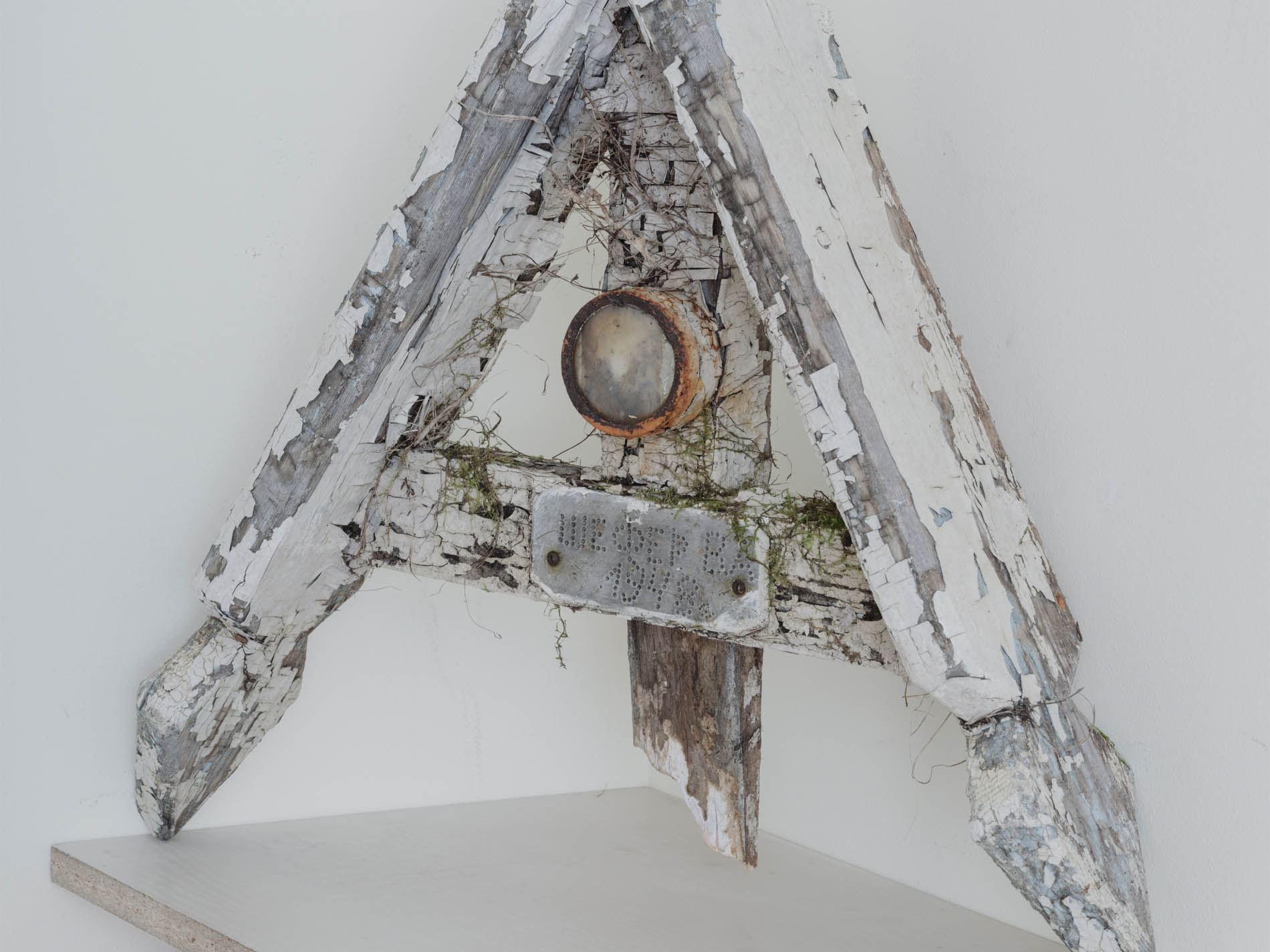
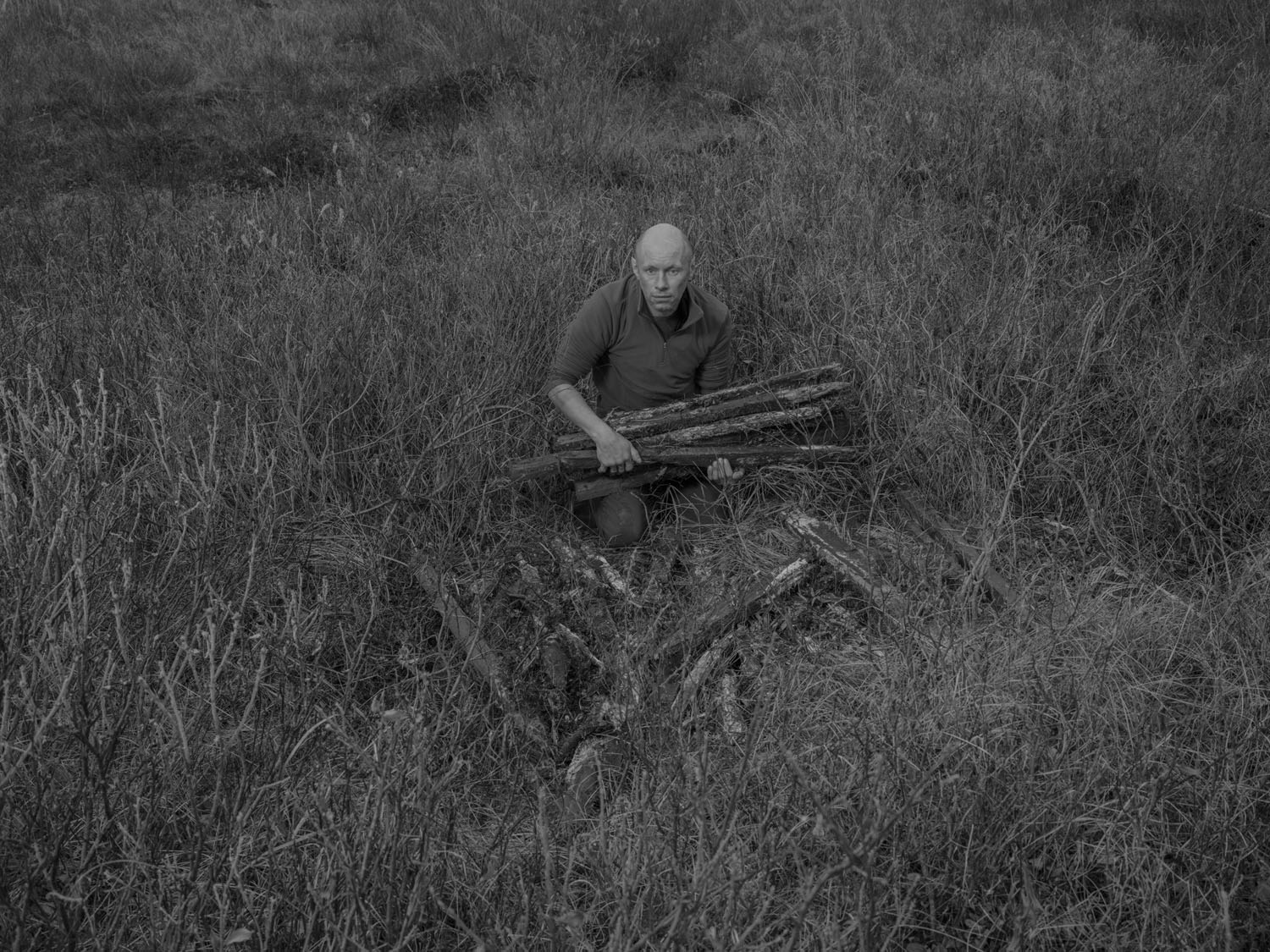
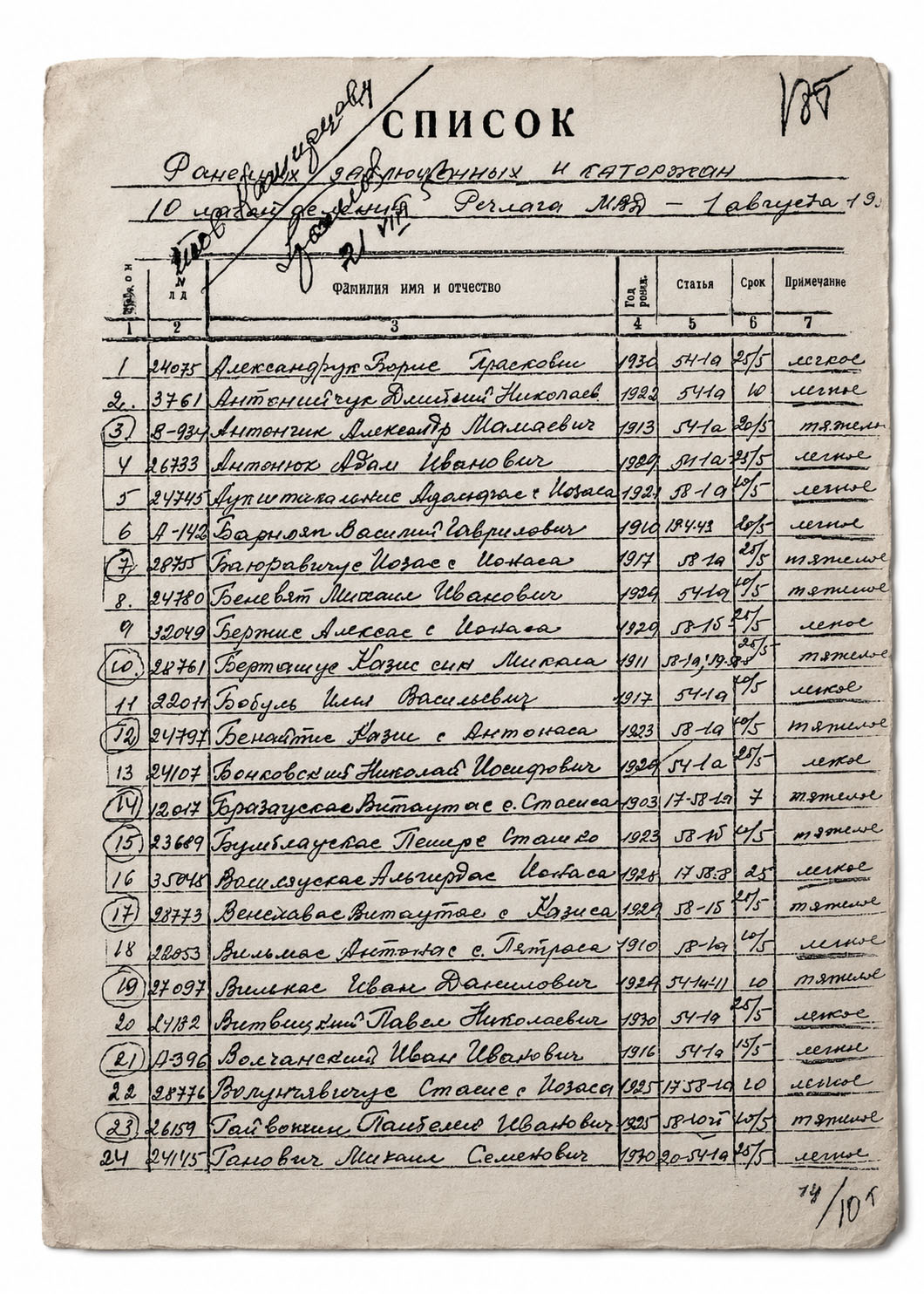
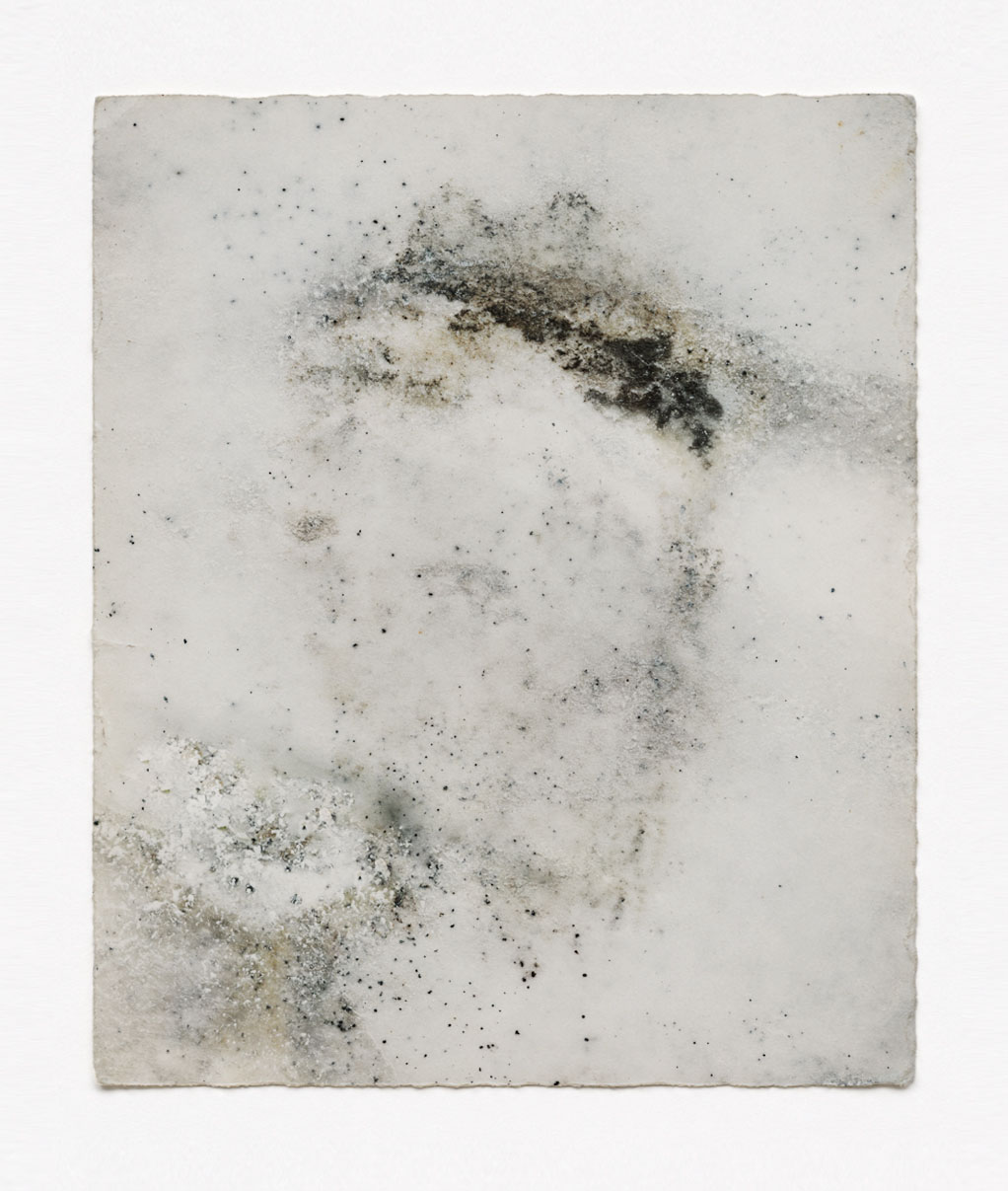
My work is a personal investigation into Vorkuta and its historical context, carried out under conditions where obtaining precise information from primary sources is impossible. It contains not a single object drawn from a museum collection. I travel through the city and its surroundings, work with archives, stay in contact with local residents, and consult with former representatives of the Memorial association of the Komi Republic ****, as well as historians living both in Russia and abroad. I gather fragmentary data and reconstruct situations and objects, sometimes based on information collected, sometimes intuitively, reproducing the practice of artifact-making characteristic of regional local-history museums.
The materials I have assembled bear witness to important historical events of the GULAG era, but do not claim documentary accuracy. Rather, they point to the impossibility of such accuracy in contemporary reality, and constitute a precedent of resistance to official memory politics through artistic process.
Specialists in Russian history observe that after Stalin’s death, regimes close to totalitarianism built their identity on approval of his policies, including the use of forced prisoner labor, while regimes associated with the "Thaw" ** and a relative shift toward a more democratic model criticized the Stalinist system and denounced the criminal nature of its practices.
The result of these ongoing ideological oscillations is the absence of a shared view of this historical period and the impossibility of a thorough working-through of collective trauma — which today, amid growing autocratization, is leading to a new wave of re-Stalinization, to the destruction of every form of memory of Stalinist terror, and to the closing of museums, monuments, and organizations dedicated to political repression.
The site of my investigation is the city of Vorkuta. It is here, in my view, that this situation finds its most manifest expression. Although the city was once one of the main centers of the GULAG *** in the USSR, and was originally built by prisoners, this information is today almost entirely absent from the city itself. Moreover, in recent years the authorities of the Russian Federation have deliberately created conditions under which an increasing number of documents disappear from Vorkuta’s archives and museums, while sites of memory in the urban space are erased.
My work is a personal investigation into Vorkuta and its historical context, carried out under conditions where obtaining precise information from primary sources is impossible. It contains not a single object drawn from a museum collection. I travel through the city and its surroundings, work with archives, stay in contact with local residents, and consult with former representatives of the Memorial association of the Komi Republic ****, as well as historians living both in Russia and abroad. I gather fragmentary data and reconstruct situations and objects, sometimes based on information collected, sometimes intuitively, reproducing the practice of artifact-making characteristic of regional local-history museums.
The materials I have assembled bear witness to important historical events of the GULAG era, but do not claim documentary accuracy. Rather, they point to the impossibility of such accuracy in contemporary reality, and constitute a precedent of resistance to official memory politics through artistic process.
* Post Box No. 223 was the secret code name for Vorkuta, a city closed to the public in the USSR during the GULAG era.
** The Thaw (in the political sense) refers to a period of relaxation of the Soviet regime after Stalin’s death, marked by relative political liberalization, a reduction in repression, and a partial critique of Stalinism.
*** The GULAG was the Soviet system of forced-labor camps and political repression, active mainly under Stalin, where political prisoners and people convicted on various grounds were held.
**** Memorial in the Komi Republic is a regional branch of the Russian association Memorial (classified as "extremist" in Russia in 2026), dedicated to the memory of political repression in the USSR and the GULAG system, in one of the main camp regions of northern Russia.
** The Thaw (in the political sense) refers to a period of relaxation of the Soviet regime after Stalin’s death, marked by relative political liberalization, a reduction in repression, and a partial critique of Stalinism.
*** The GULAG was the Soviet system of forced-labor camps and political repression, active mainly under Stalin, where political prisoners and people convicted on various grounds were held.
**** Memorial in the Komi Republic is a regional branch of the Russian association Memorial (classified as "extremist" in Russia in 2026), dedicated to the memory of political repression in the USSR and the GULAG system, in one of the main camp regions of northern Russia.
Texts → Project statement (FR)
Dans le projet BP n° 223 *, je réfléchis à la mémoire historique en tant qu’outil de contrôle politique et de propagande idéologique, ainsi qu'à son effacement ou sa déformation en fonction des orientations du pouvoir. Je m’intéresse à la manière dont la mémoire collective continue de fonctionner dans des conditions de censure, et à la façon dont les initiatives privées, en l’absence d’accès aux sources institutionnelles d’information, construisent des récits alternatifs.
Des spécialistes de l’histoire de la Russie observent qu’après la mort de Staline, les régimes proches du totalitarisme ont construit leur identité en approuvant sa politique, y compris le recours au travail forcé des détenus, tandis que les régimes associés au " dégel " ** et à une transition relative vers un modèle plus démocratique ont critiqué le système stalinien et dénoncé le caractère criminel de ses pratiques.
Le résultat de ces oscillations idéologiques permanentes est l’absence d’un regard partagé sur cette période historique et l’impossibilité d’un travail approfondi sur le traumatisme collectif — ce qui, aujourd’hui, dans un contexte d’autocratisation croissante, conduit à une nouvelle vague de restalinisation, à la destruction de toutes les formes de mémoire de la terreur stalinienne, ainsi qu'à la fermeture de musées, de monuments et d’organisations consacrés aux répressions politiques.
Le lieu de mon enquête est la ville de Vorkouta. C’est là que cette situation trouve, selon moi, son expression la plus manifeste. Bien que la ville ait été dans le passé l’un des principaux centres du Goulag *** en URSS et qu’elle ait été initialement construite par des détenus, ces informations sont aujourd’hui pratiquement absentes de la ville. Par ailleurs, ces dernières années, les autorités de la Fédération de Russie créent délibérément les conditions dans lesquelles un nombre croissant de documents disparaît des archives et des musées de Vorkouta, et les objets de mémoire dans l’espace urbain s’effacent.
Mon travail est une enquête personnelle sur Vorkouta et son contexte historique, menée dans l’impossibilité d’obtenir des informations précises auprès de sources primaires. Il ne contient pas un seul objet issu d’un fonds muséal. Je parcours la ville et ses environs, je travaille avec des archives, je suis en contact avec des habitants, je consulte d’anciens représentants de l’association Memorial de la République des Komis ****, ainsi que des historiens vivant en Russie et à l'étranger. Je rassemble des données fragmentaires, je reconstruis des situations et des objets, tantôt à partir d’informations recueillies, tantôt de manière intuitive, en reproduisant la pratique de création d’artefacts propre aux musées régionaux d’histoire locale.
Les matériaux que j’ai réunis témoignent d'événements historiques importants de l'époque du Goulag, mais ne prétendent pas à une exactitude documentaire. Ils indiquent plutôt l’impossibilité de cette exactitude dans la réalité contemporaine, et constituent un précédent de résistance à la politique mémorielle officielle par le biais de processus artistiques.
Des spécialistes de l’histoire de la Russie observent qu’après la mort de Staline, les régimes proches du totalitarisme ont construit leur identité en approuvant sa politique, y compris le recours au travail forcé des détenus, tandis que les régimes associés au " dégel " ** et à une transition relative vers un modèle plus démocratique ont critiqué le système stalinien et dénoncé le caractère criminel de ses pratiques.
Le résultat de ces oscillations idéologiques permanentes est l’absence d’un regard partagé sur cette période historique et l’impossibilité d’un travail approfondi sur le traumatisme collectif — ce qui, aujourd’hui, dans un contexte d’autocratisation croissante, conduit à une nouvelle vague de restalinisation, à la destruction de toutes les formes de mémoire de la terreur stalinienne, ainsi qu'à la fermeture de musées, de monuments et d’organisations consacrés aux répressions politiques.
Le lieu de mon enquête est la ville de Vorkouta. C’est là que cette situation trouve, selon moi, son expression la plus manifeste. Bien que la ville ait été dans le passé l’un des principaux centres du Goulag *** en URSS et qu’elle ait été initialement construite par des détenus, ces informations sont aujourd’hui pratiquement absentes de la ville. Par ailleurs, ces dernières années, les autorités de la Fédération de Russie créent délibérément les conditions dans lesquelles un nombre croissant de documents disparaît des archives et des musées de Vorkouta, et les objets de mémoire dans l’espace urbain s’effacent.
Mon travail est une enquête personnelle sur Vorkouta et son contexte historique, menée dans l’impossibilité d’obtenir des informations précises auprès de sources primaires. Il ne contient pas un seul objet issu d’un fonds muséal. Je parcours la ville et ses environs, je travaille avec des archives, je suis en contact avec des habitants, je consulte d’anciens représentants de l’association Memorial de la République des Komis ****, ainsi que des historiens vivant en Russie et à l'étranger. Je rassemble des données fragmentaires, je reconstruis des situations et des objets, tantôt à partir d’informations recueillies, tantôt de manière intuitive, en reproduisant la pratique de création d’artefacts propre aux musées régionaux d’histoire locale.
Les matériaux que j’ai réunis témoignent d'événements historiques importants de l'époque du Goulag, mais ne prétendent pas à une exactitude documentaire. Ils indiquent plutôt l’impossibilité de cette exactitude dans la réalité contemporaine, et constituent un précédent de résistance à la politique mémorielle officielle par le biais de processus artistiques.
* BP n° 223 (boîte postale 223) est le nom de code secret de Vorkouta, une ville fermée au public en URSS pendant la période du Goulag.
** Le dégel (au sens politique) désigne une période d’assouplissement du régime soviétique après la mort de Staline, caractérisée par une relative libéralisation politique, une réduction de la répression et une critique partielle du stalinisme.
*** Goulag est le système soviétique de camps de travail forcé et de répression politique, principalement actif sous Staline, où étaient détenus des prisonniers politiques et des condamnés pour des motifs divers.
**** Memorial en République des Komis est une branche régionale de l’association russe Memorial (classée "extrémiste" en Russie en 2026), consacrée à la mémoire des répressions politiques en URSS et du système du Goulag, dans l’une des principales régions de camps du nord de la Russie.
** Le dégel (au sens politique) désigne une période d’assouplissement du régime soviétique après la mort de Staline, caractérisée par une relative libéralisation politique, une réduction de la répression et une critique partielle du stalinisme.
*** Goulag est le système soviétique de camps de travail forcé et de répression politique, principalement actif sous Staline, où étaient détenus des prisonniers politiques et des condamnés pour des motifs divers.
**** Memorial en République des Komis est une branche régionale de l’association russe Memorial (classée "extrémiste" en Russie en 2026), consacrée à la mémoire des répressions politiques en URSS et du système du Goulag, dans l’une des principales régions de camps du nord de la Russie.