Artist’s book "Папе / For Dad"
Digital printing, handmade
Photographs: unknown
Сoncept, editing design: Vladimir Seleznev
12.5×12.5 cm
40 sheets, cardboard book case
Edition: 40 + 2 A.P.
Self-published, 2024
Order the book >
Digital printing, handmade
Photographs: unknown
Сoncept, editing design: Vladimir Seleznev
12.5×12.5 cm
40 sheets, cardboard book case
Edition: 40 + 2 A.P.
Self-published, 2024
Order the book >
↑ Texts: Book statement (ENG)
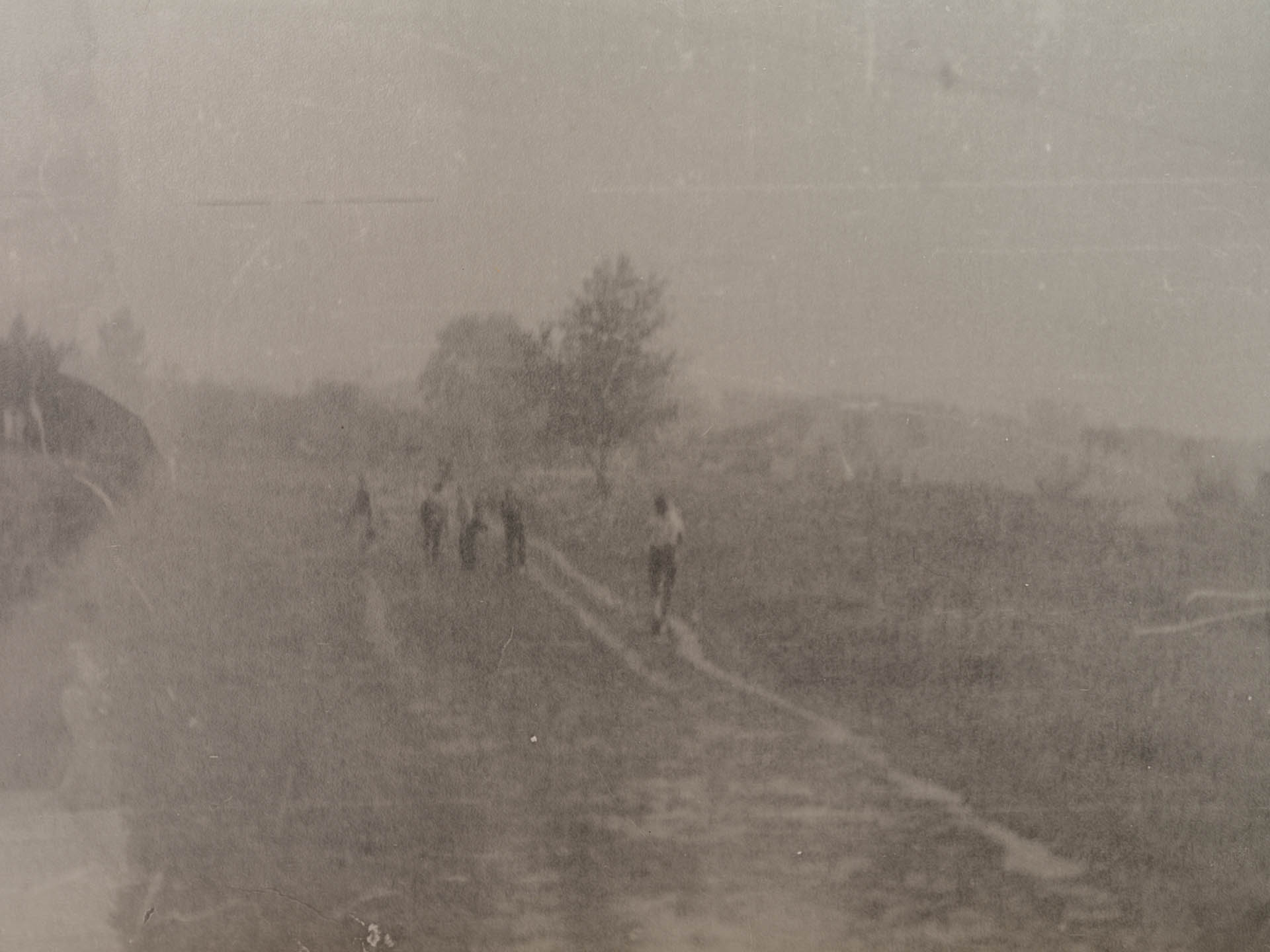
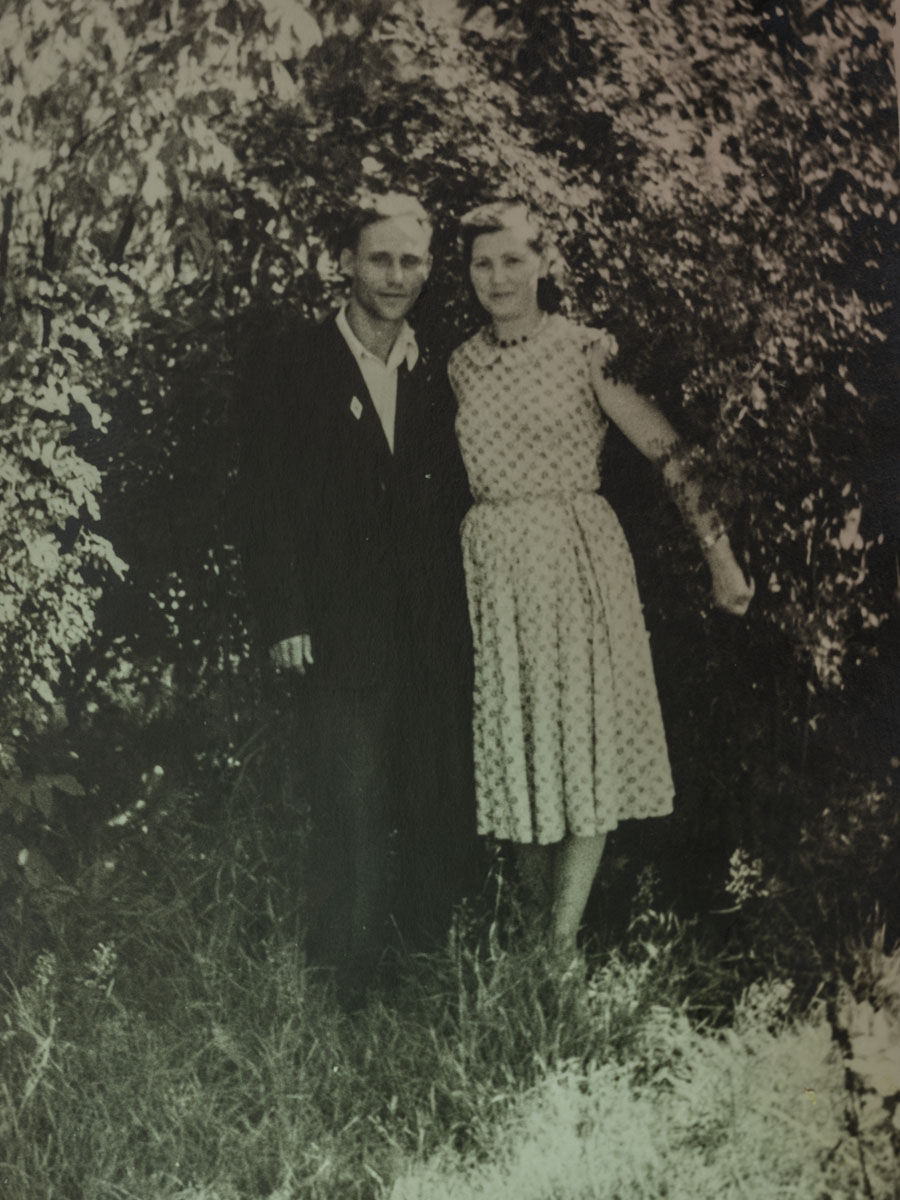
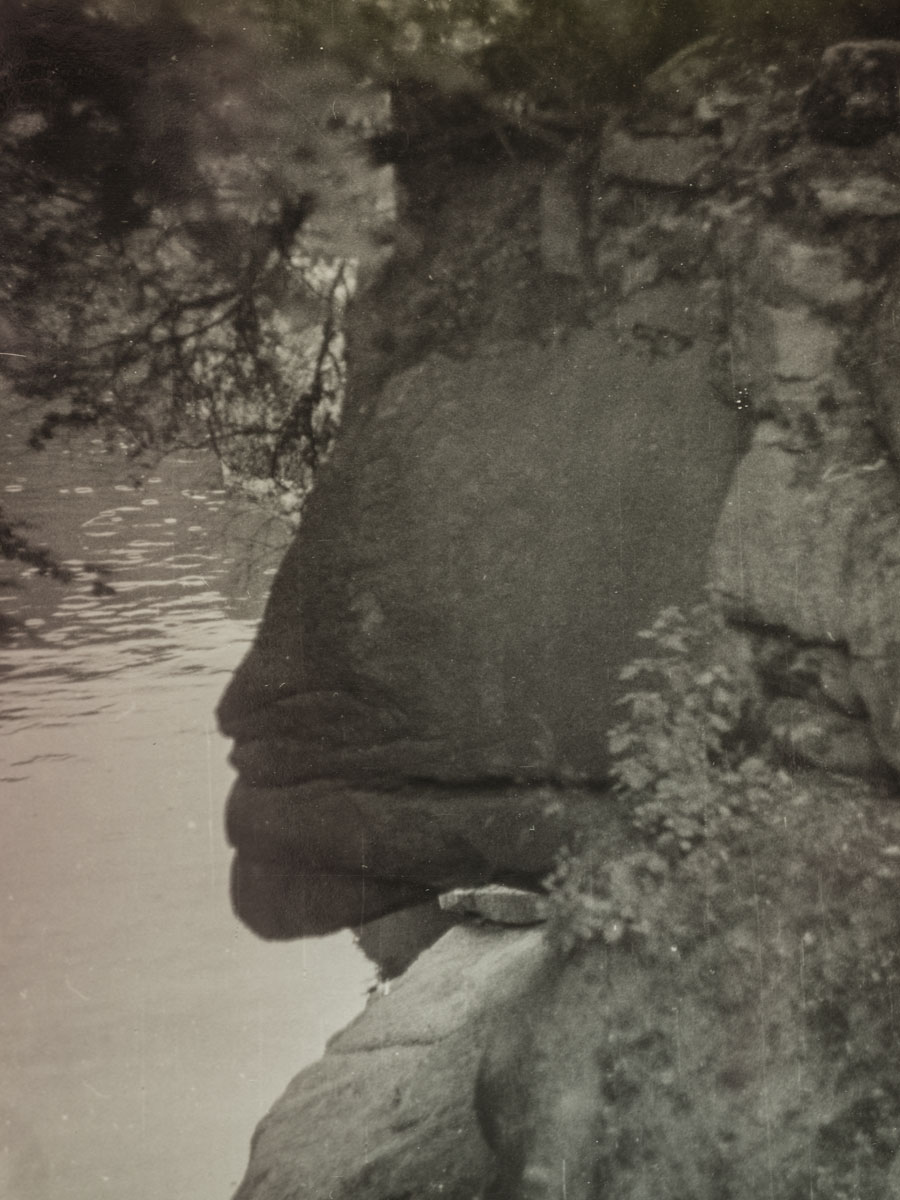
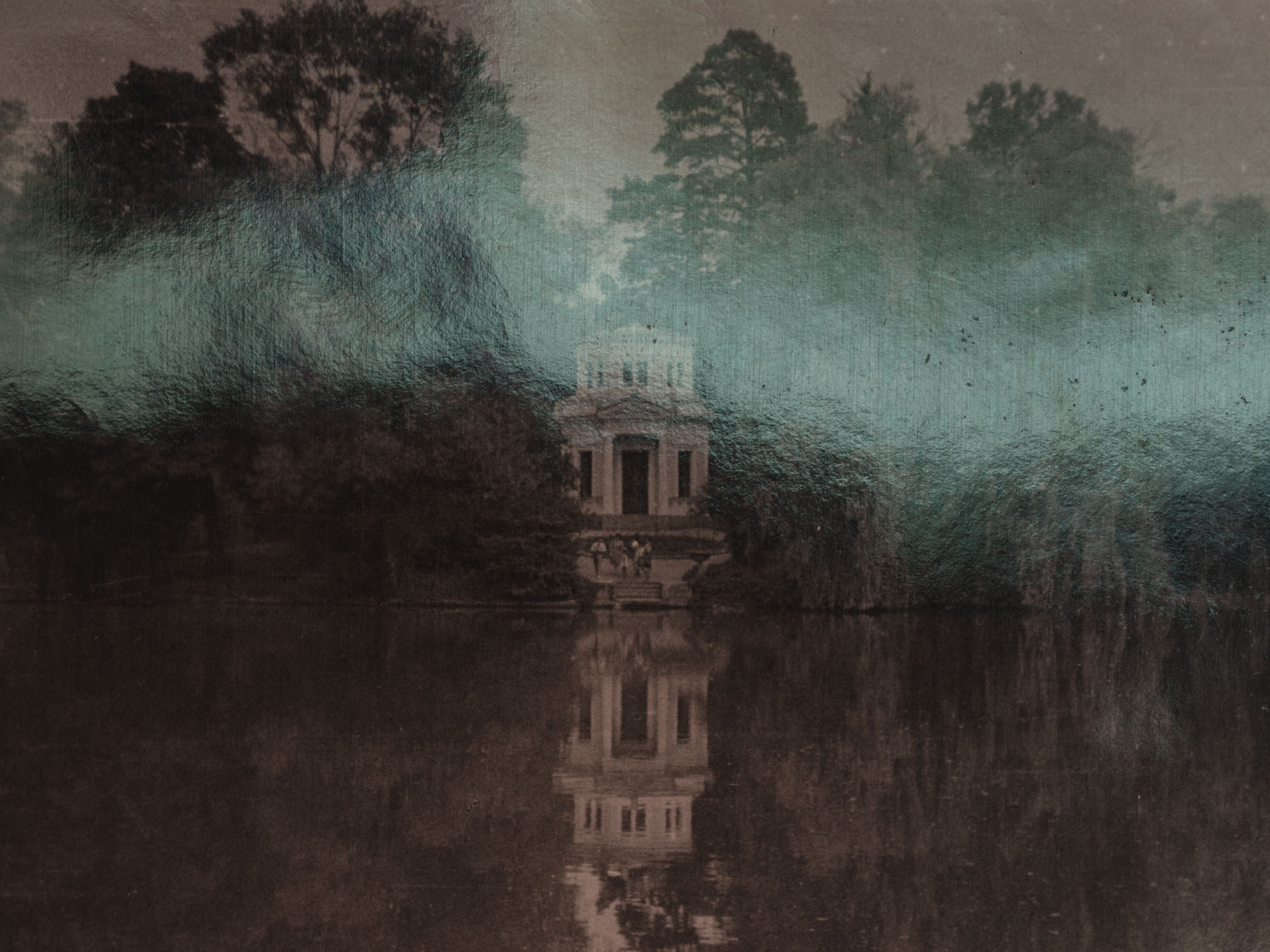
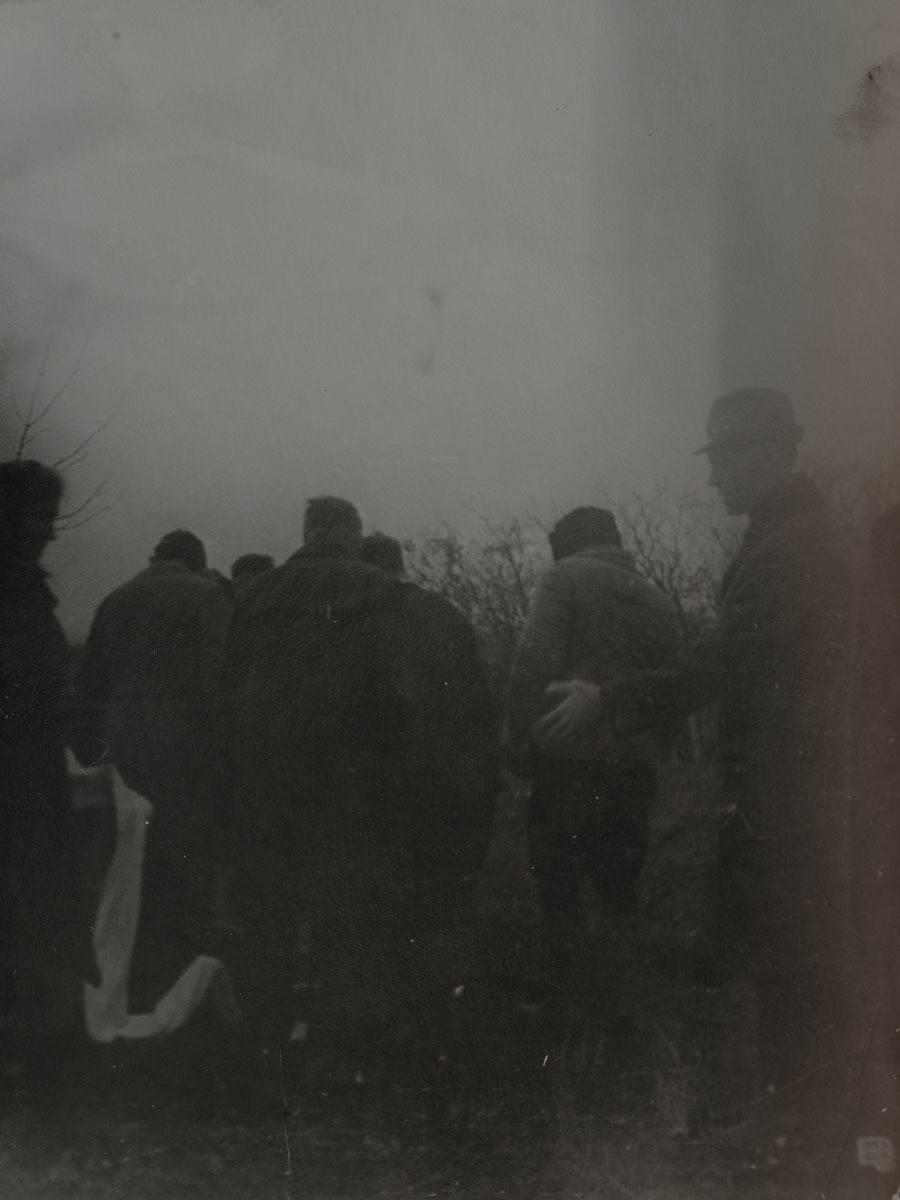
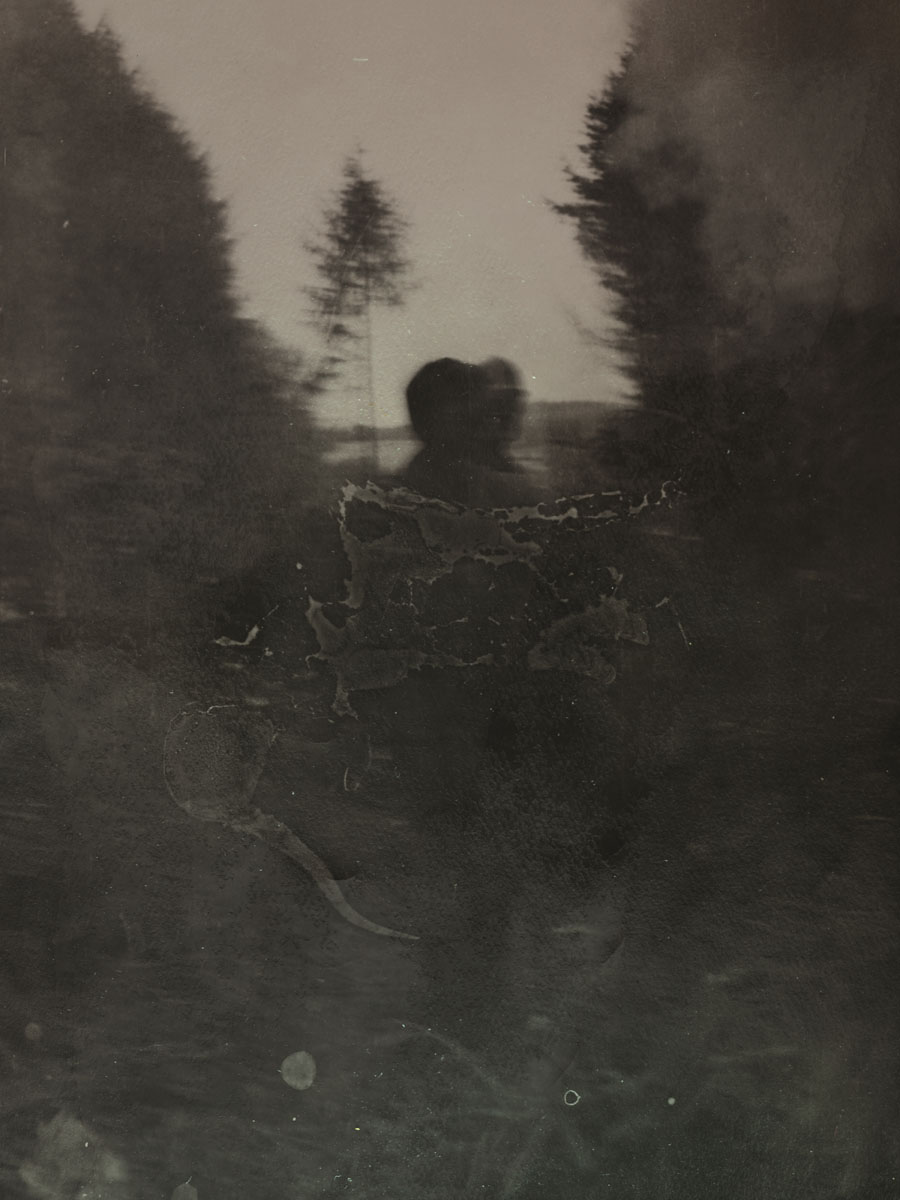
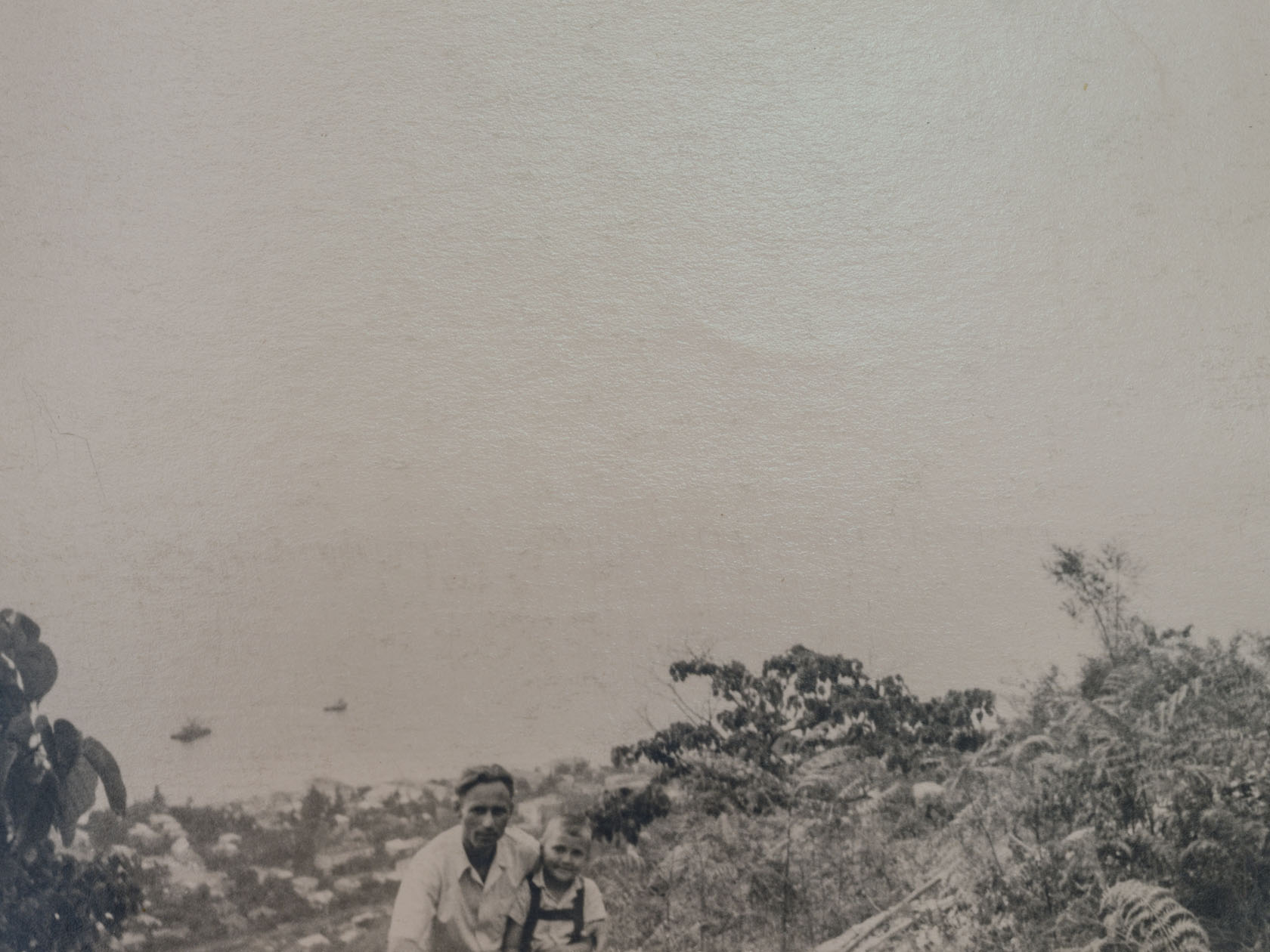
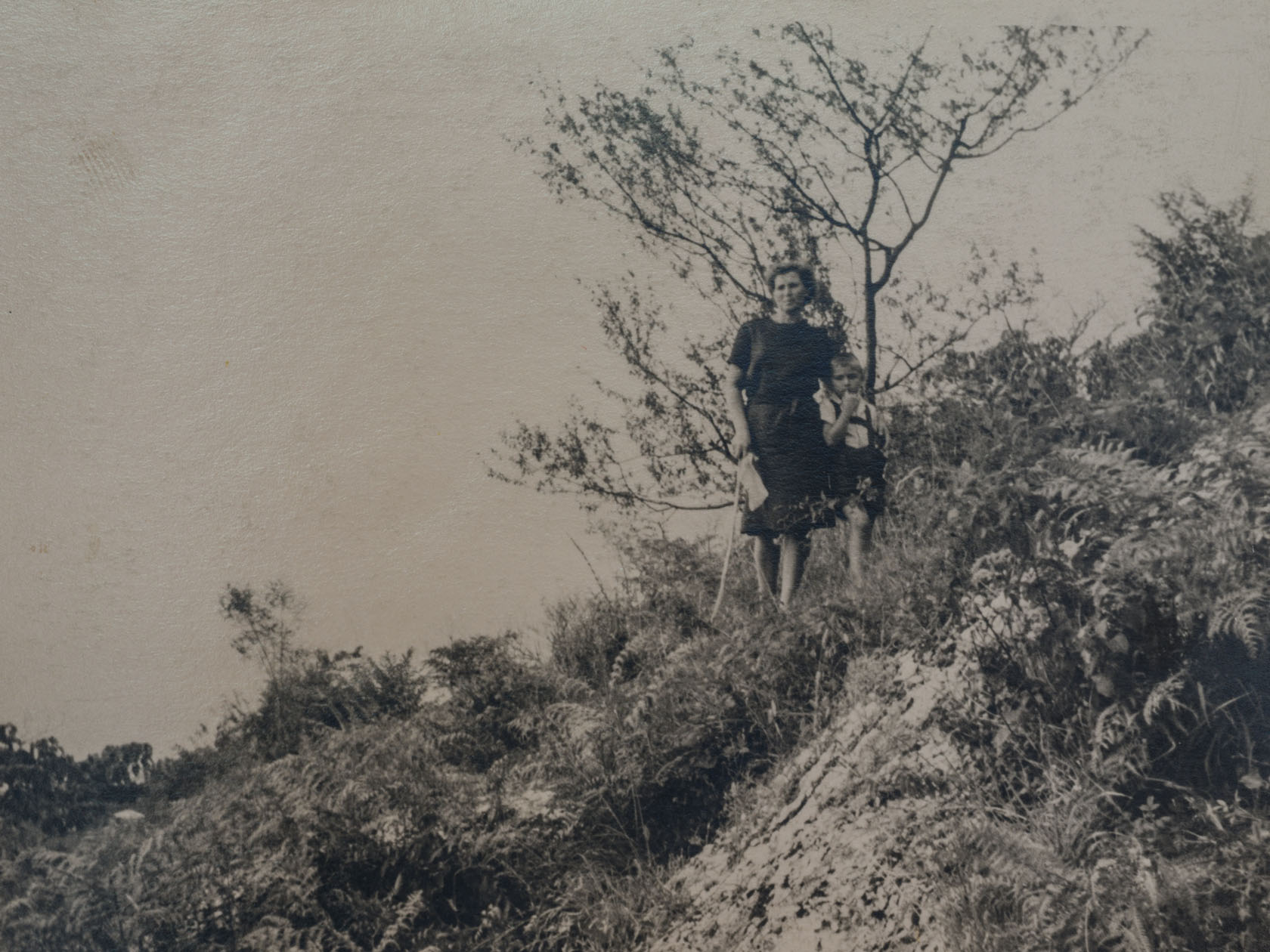
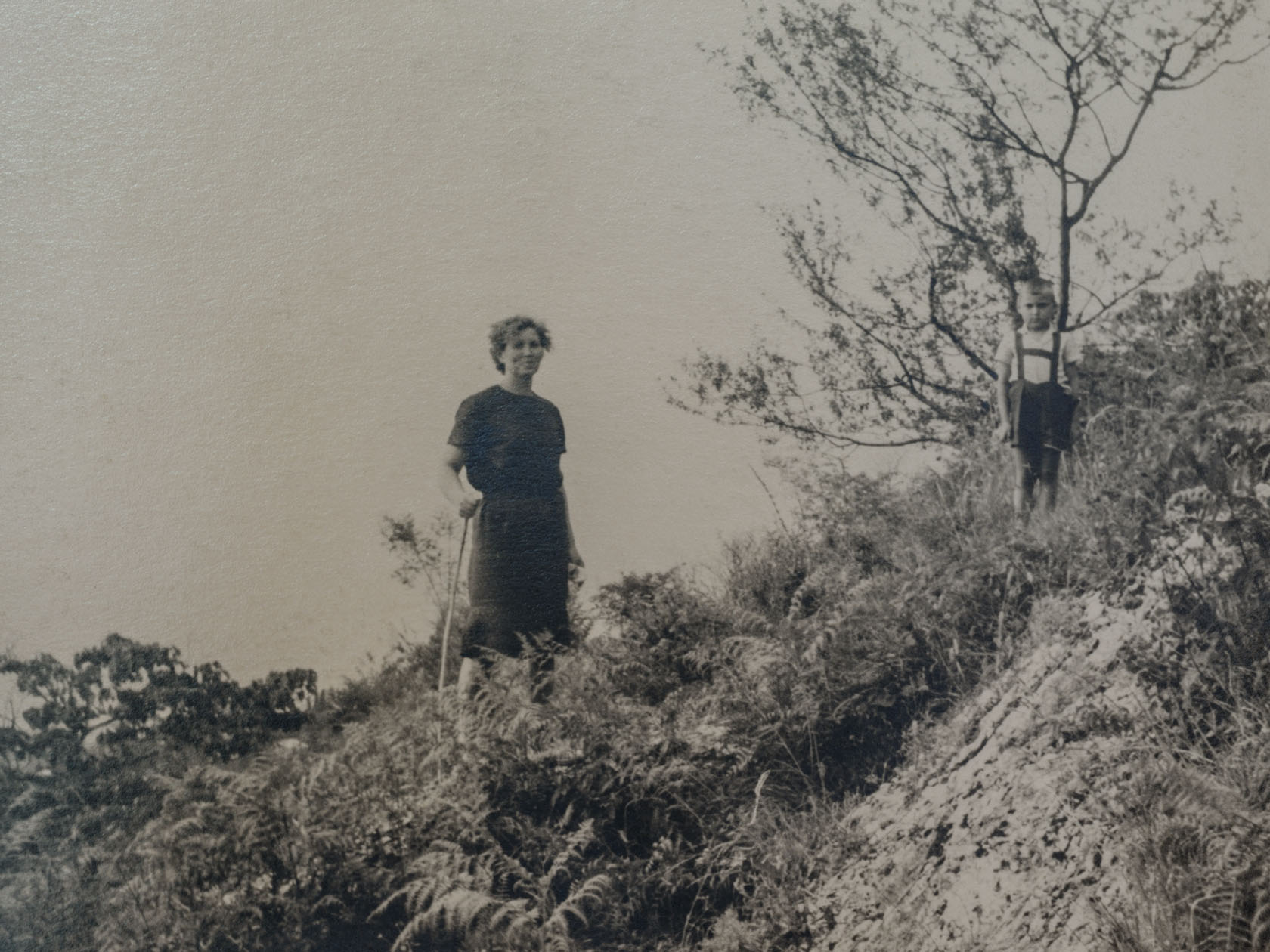
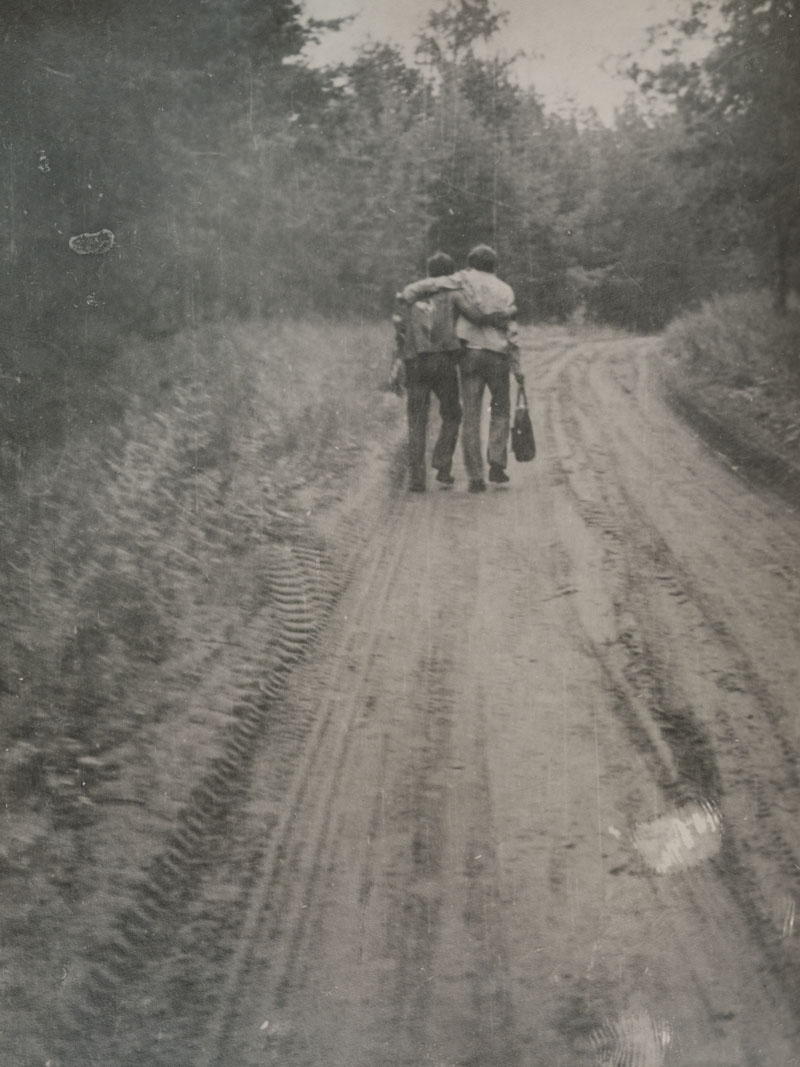
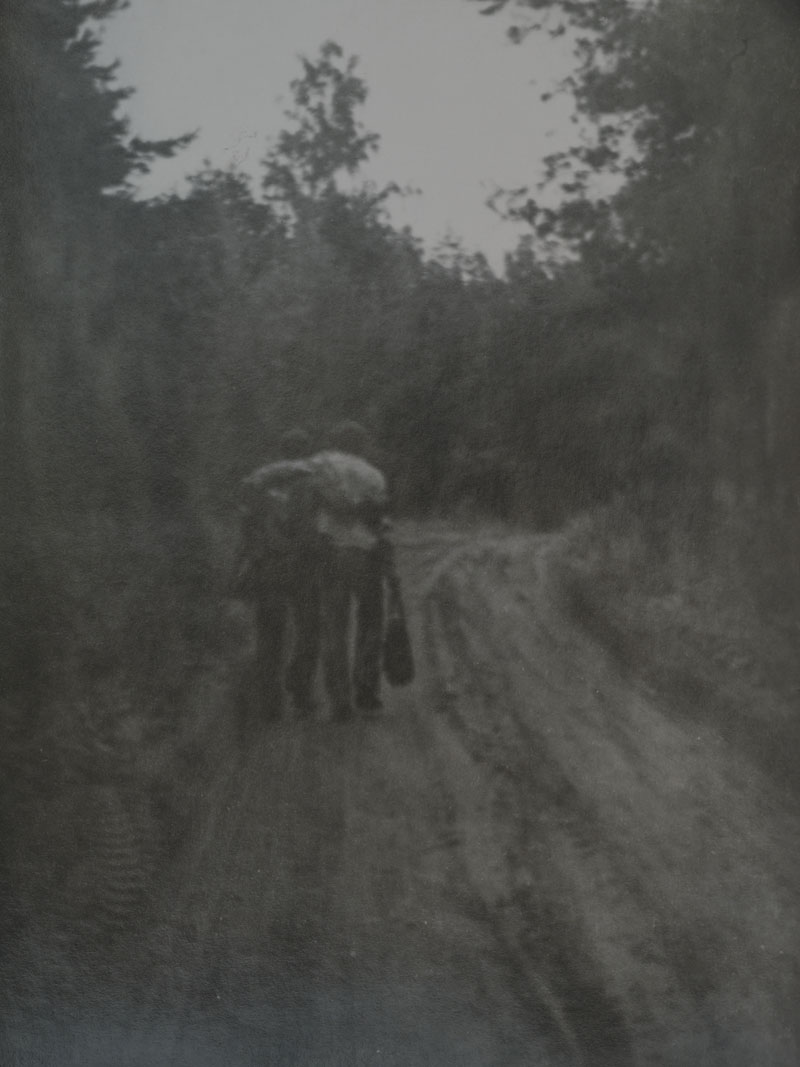
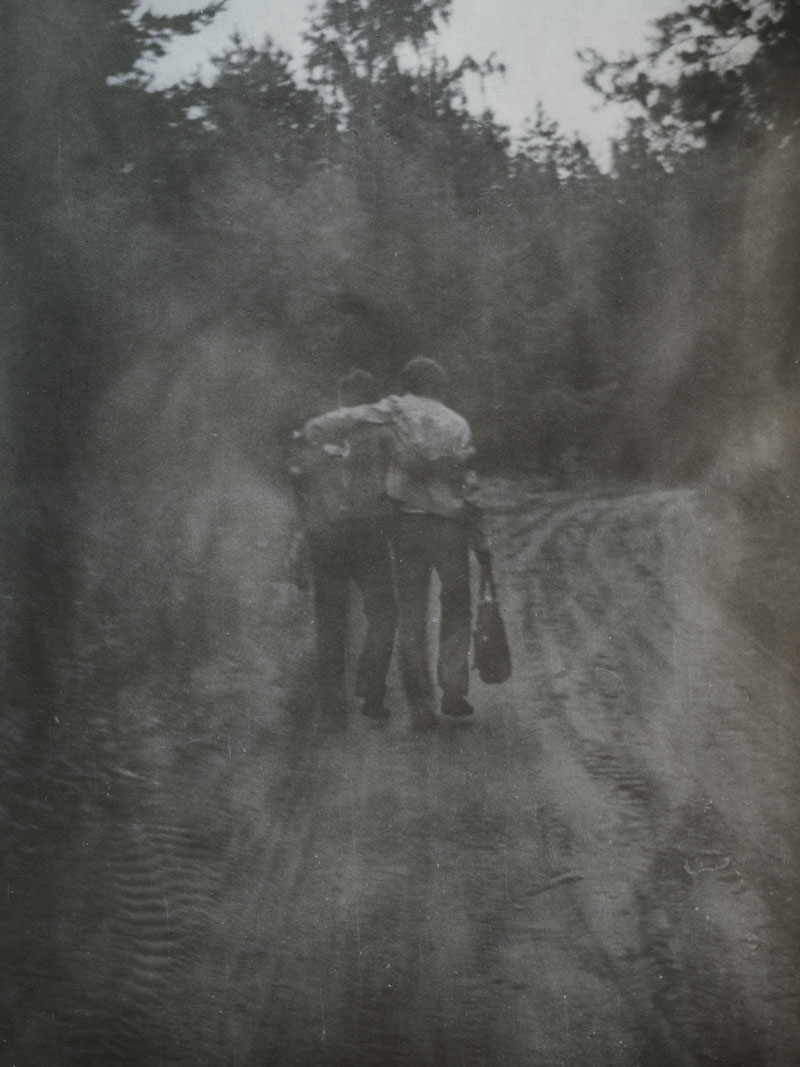
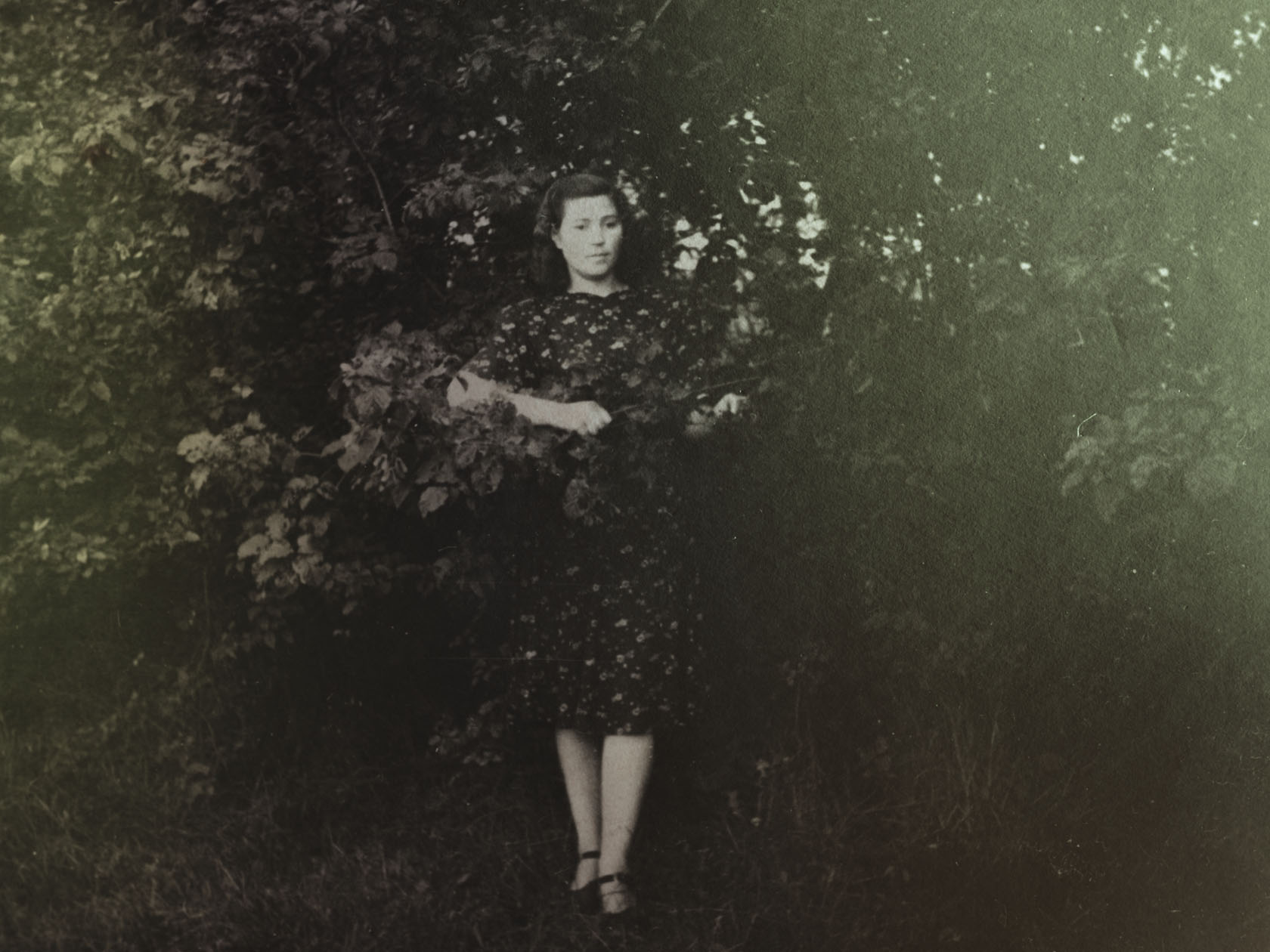
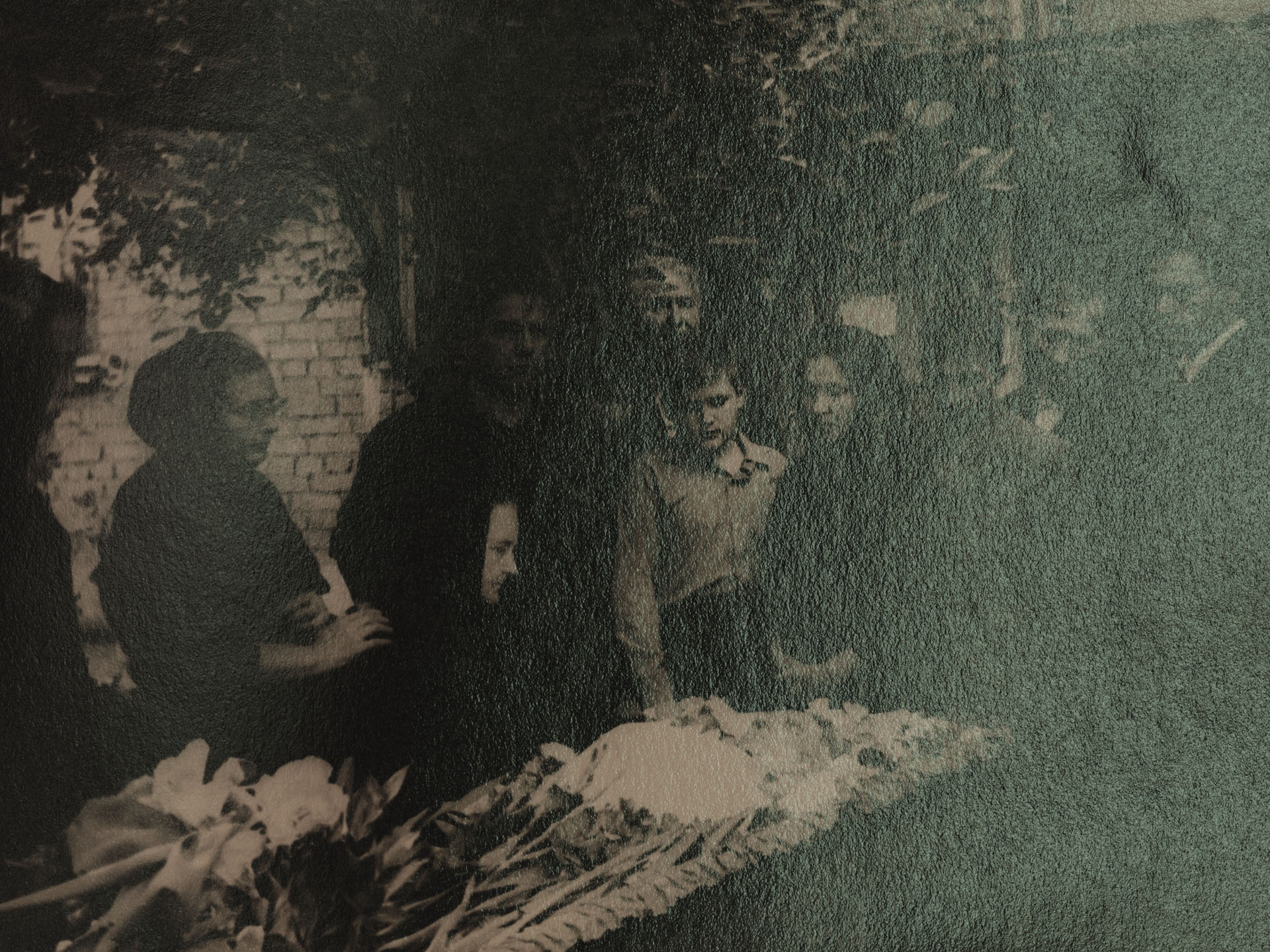
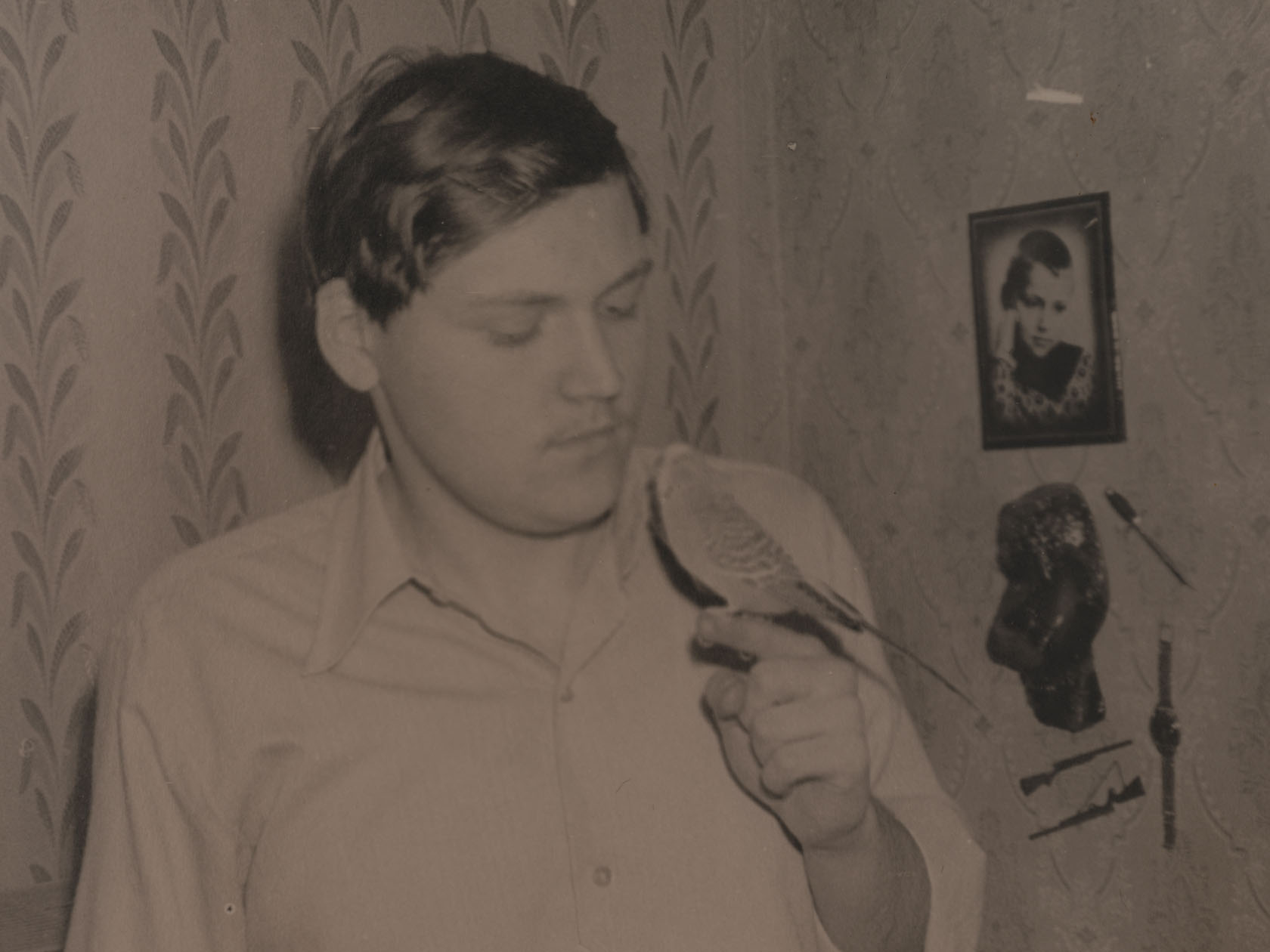
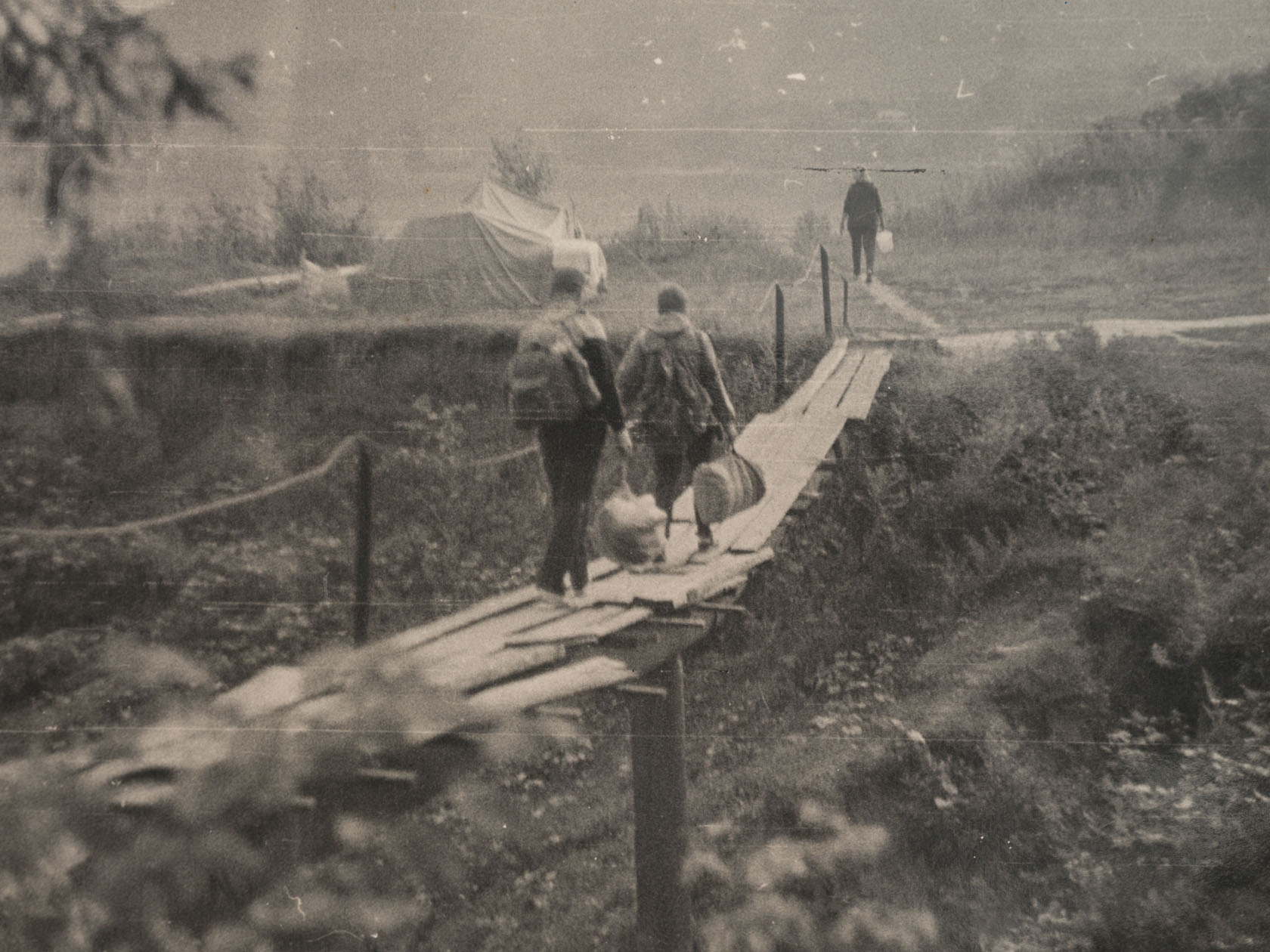
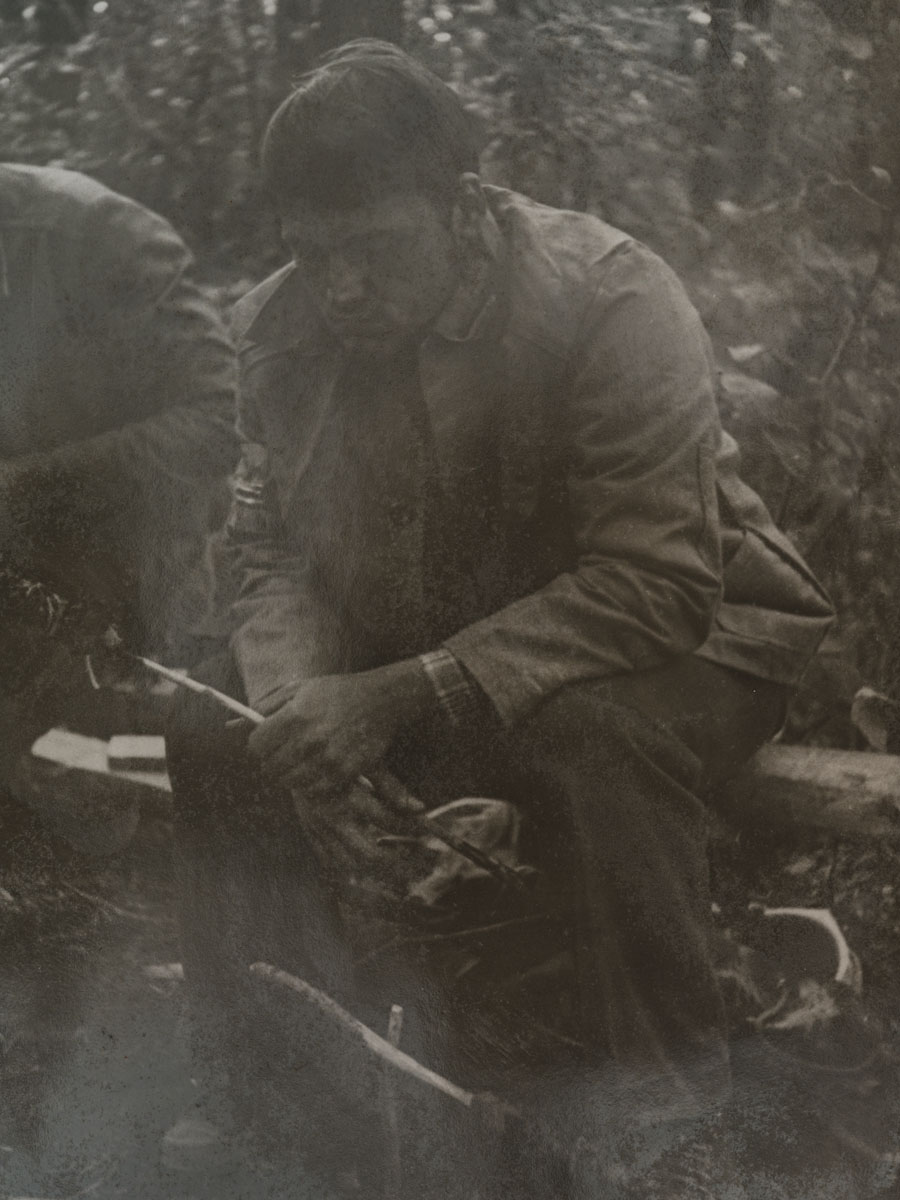
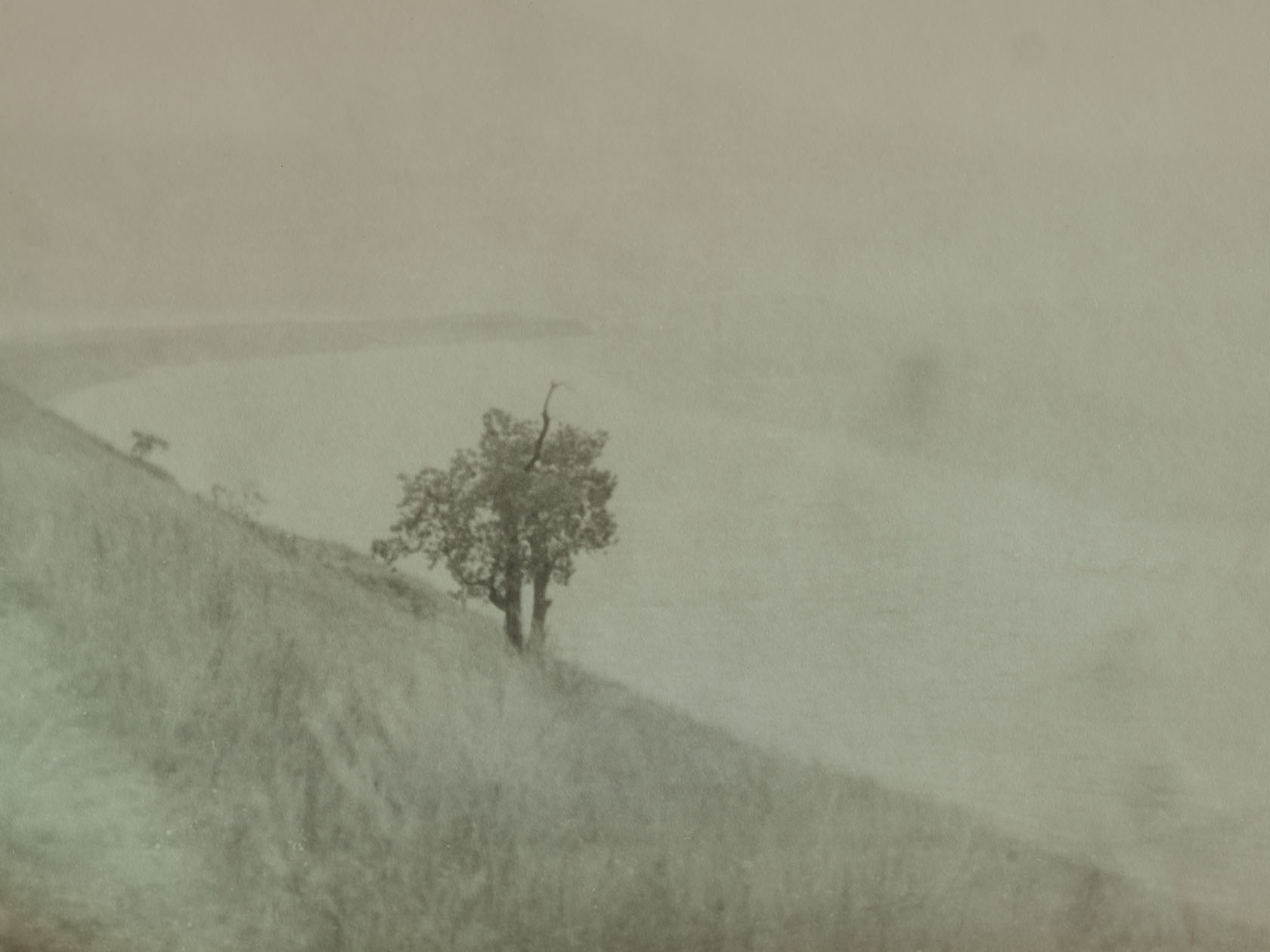
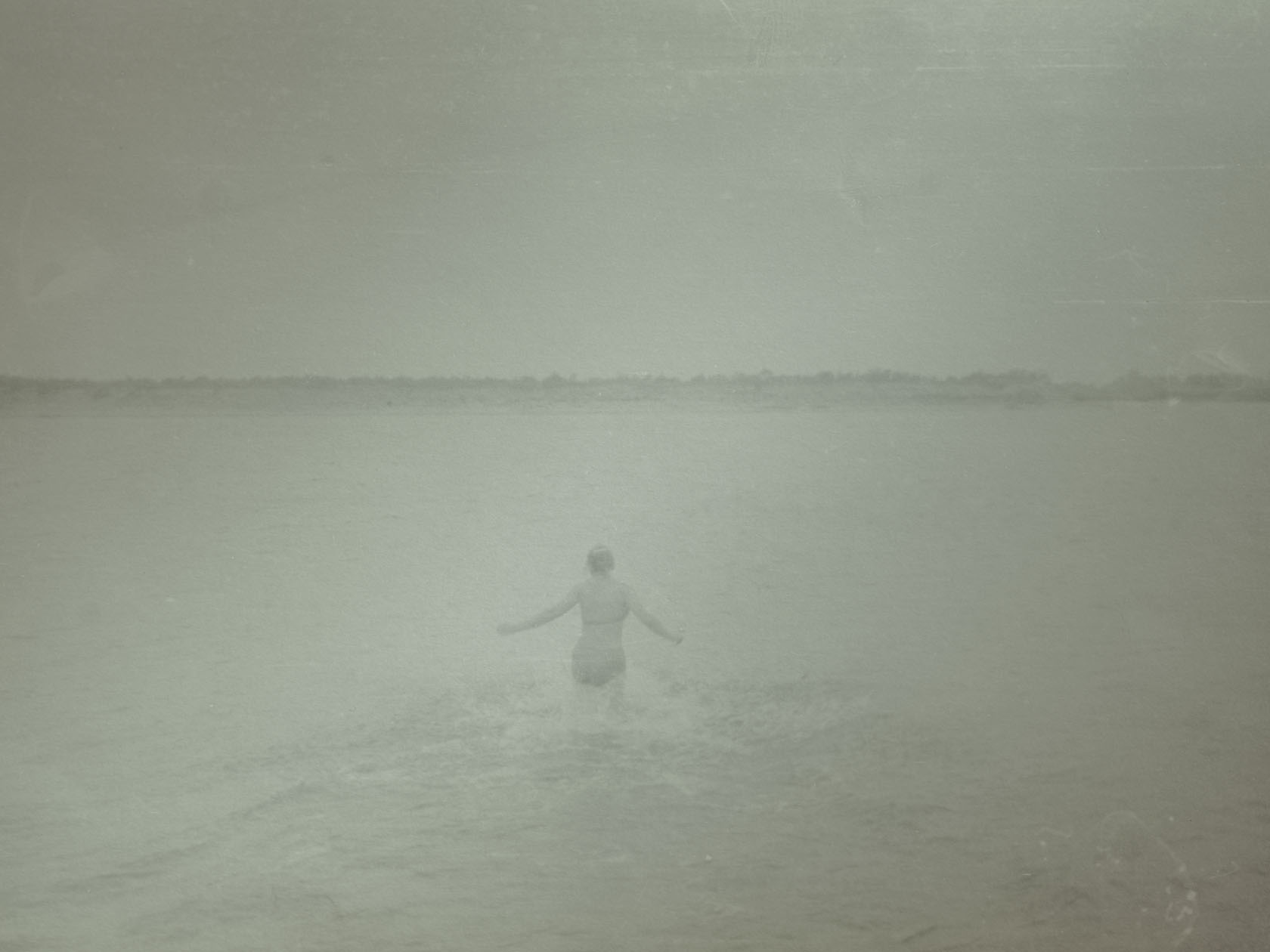
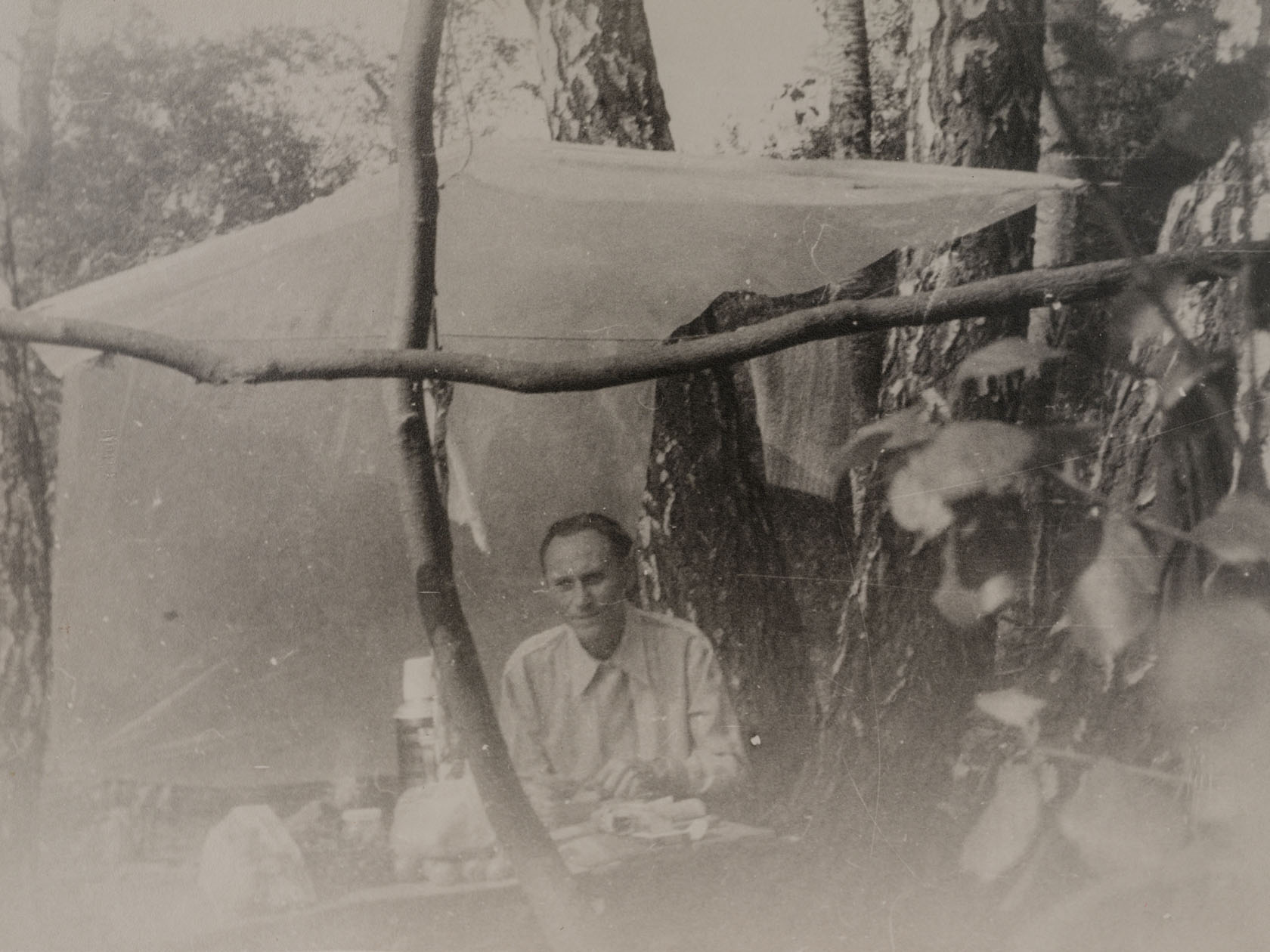
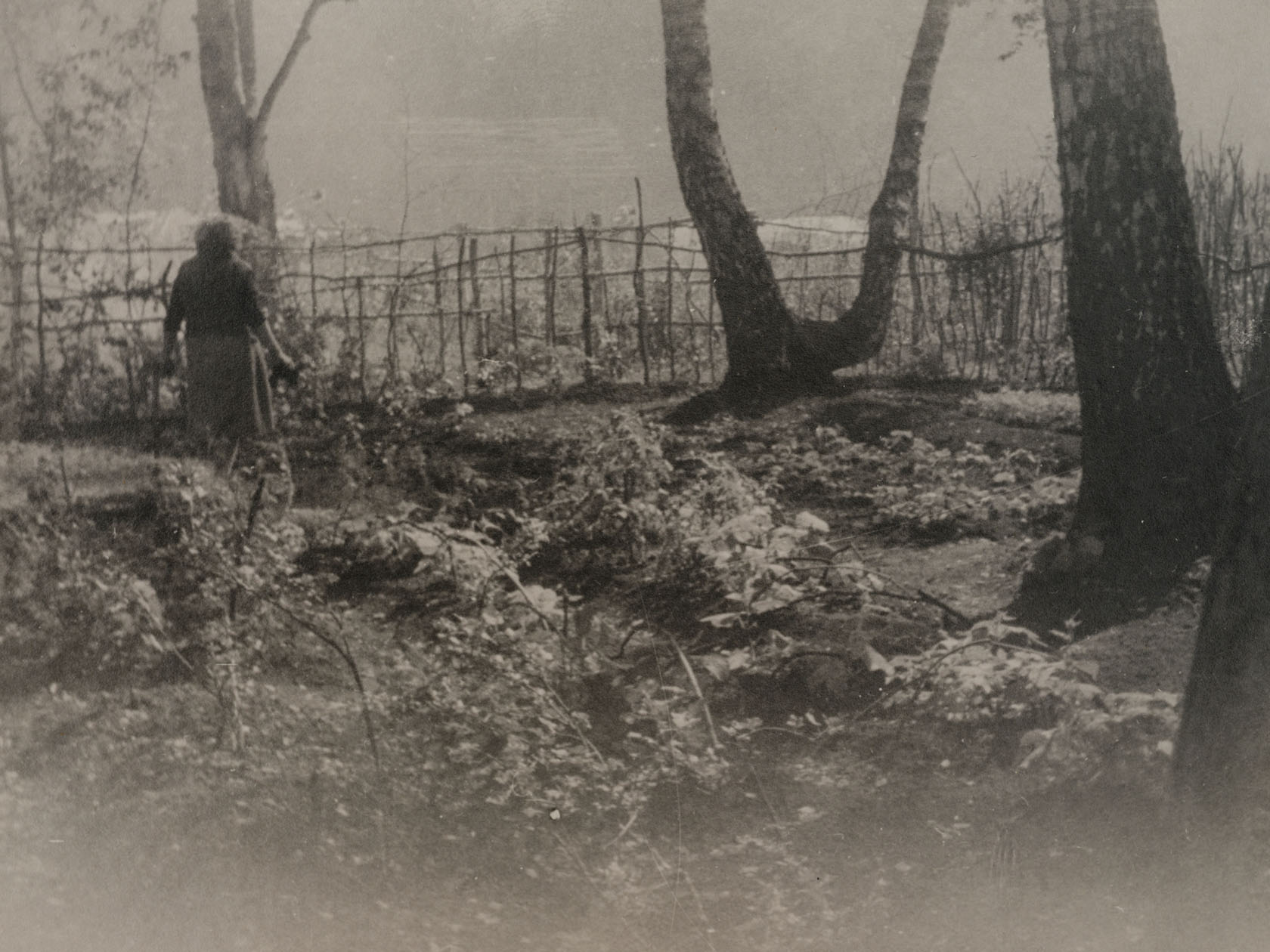
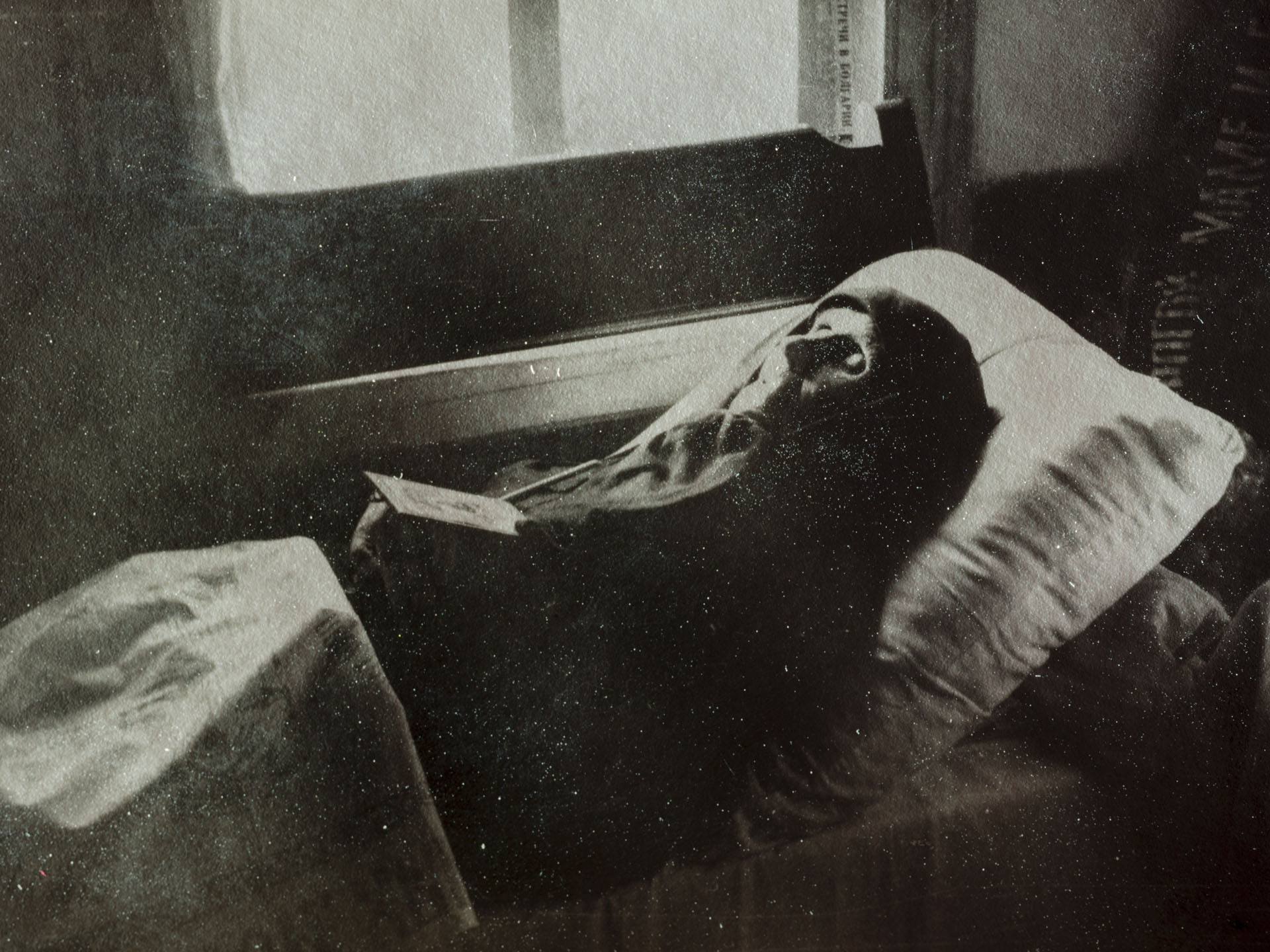
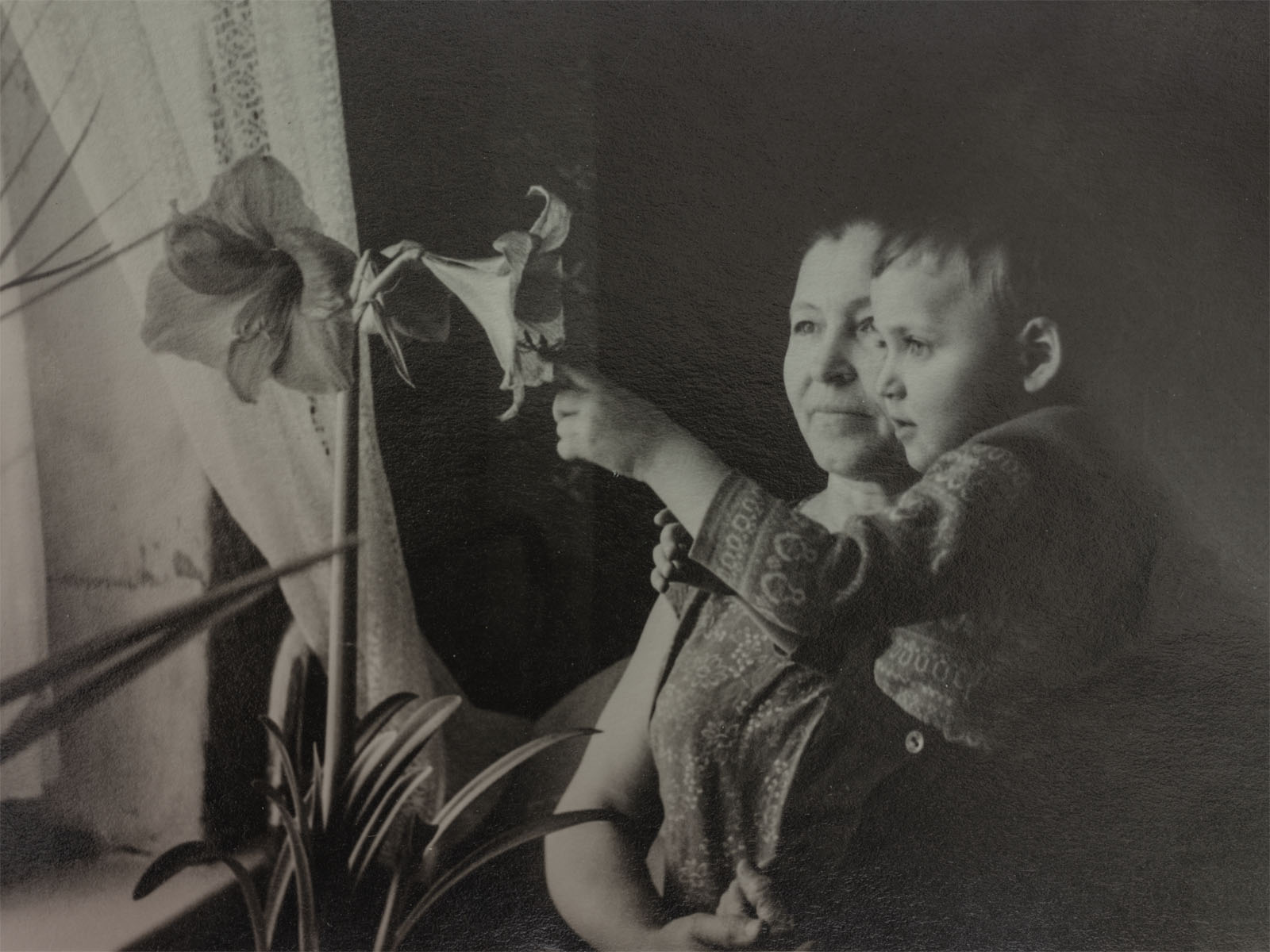
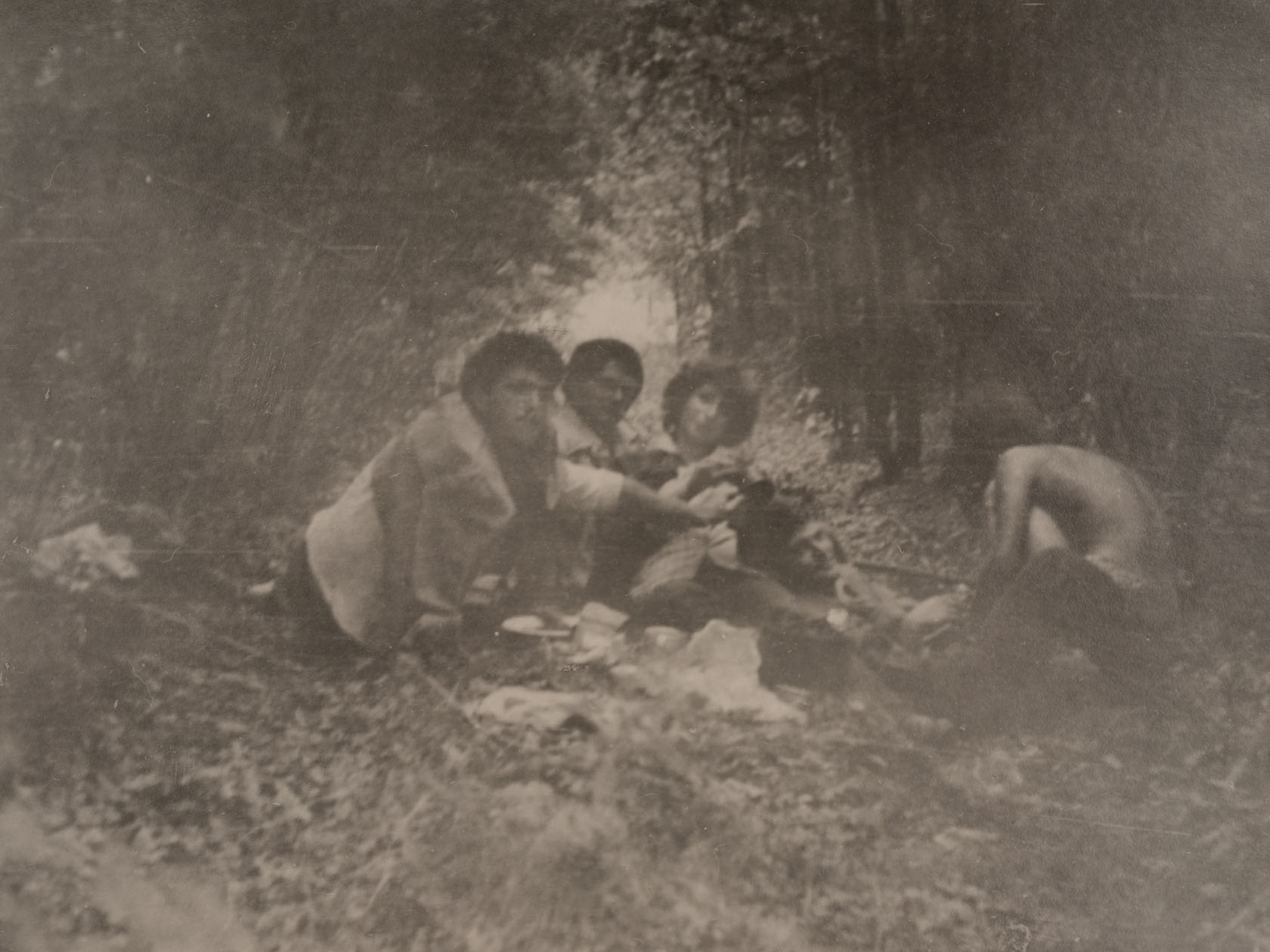
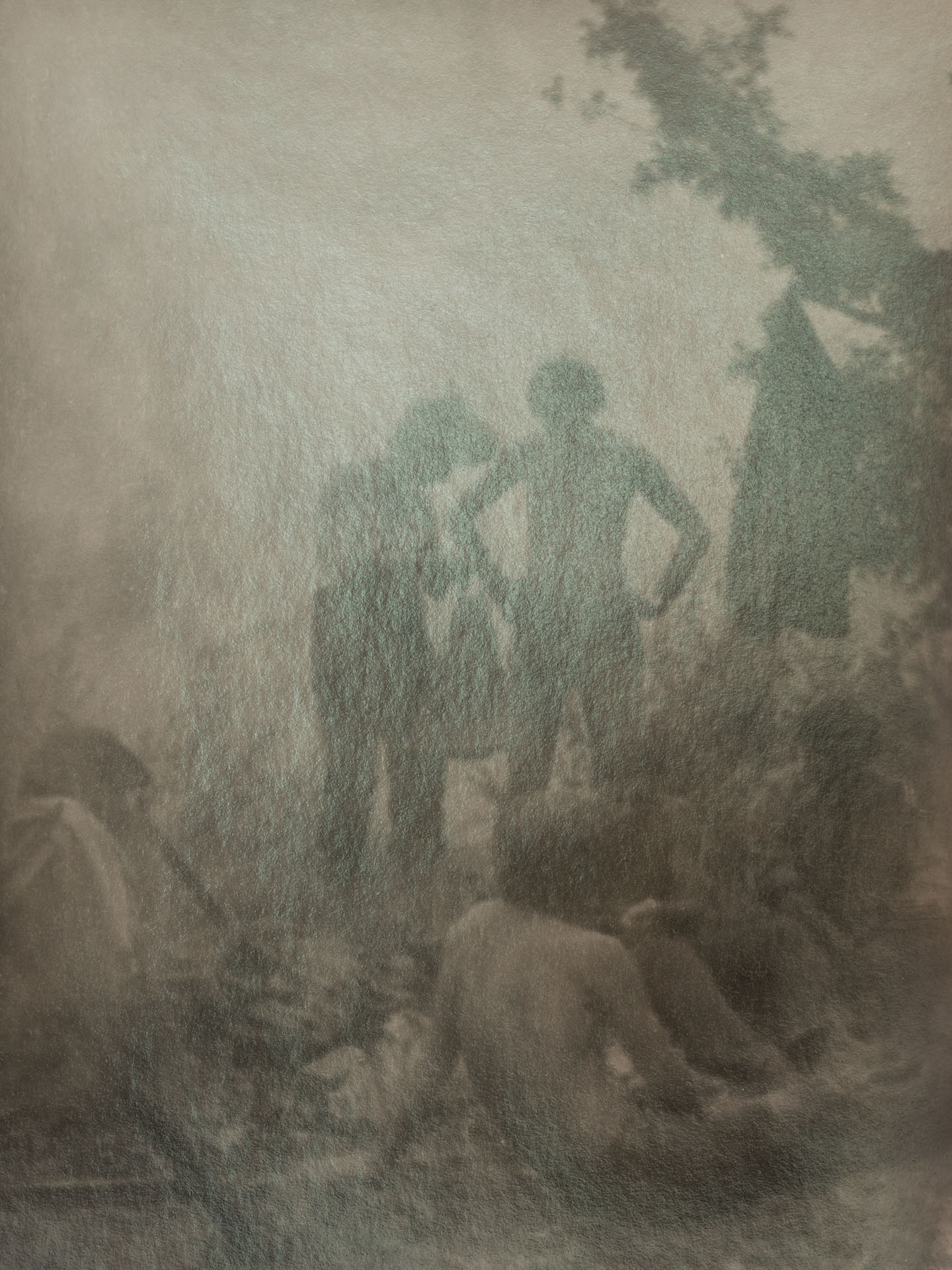
Папе / For Dad is a handmade photobook that references children’s fold-out books, yet is designed so that it has no beginning or end set by the author. It is assembled from family photographs taken from the albums of the artist’s recently deceased stepfather. All the images are left unaltered and simply rephotographed with a camera. On the inside of the book there is a letter addressed to the stepfather.
Here, the archival images and the book’s form function not only as carriers of private family memory, but above all as tools for its transformation. They make it possible to reflect on the relationship between the material form of the archive and the information it is meant to store and transmit.
Through working with the sequence and context of the images, the artist reconstructs relationships with those with whom such relationships never fully formed; he attempts to reassemble their lives, to separate them from his own, and to see the people depicted in the photographs not as "imposed relatives," but as autonomous individuals, free from the family and social roles they played in his life.
Equally significant is the fact that the original photographer (s) of these images remain unknown, despite the striking precision of their visual language, an unusually documentary-cinematic style not typically associated with an ordinary Soviet family album.
"I do not remember any of them being interested in photography at all, or these people ever photographing one another," the artist said. "The sense that the photographs were taken by some invisible actor external to the family grants me a certain freedom in working with the images, allowing me to construct a more detached narrative, distanced from an intra-family perspective."
The reshaping of the past, the deconstruction of the archive, the reinterpretation of images, and other manipulative strategies employed at various levels by institutions of power and mass media appear in this work in the form of a child’s naive actions: assembling from photographs that came into his possession a handmade object "for dad" — the first gift made with his own hands, which, unfortunately, due to the specific nature of the family relationship, was not possible during the stepfather’s lifetime.
The childlike quality of the gesture, the naivety of the "infinite" book form, and the idealization of family through the photographs it contains are important aspects of the project. The child’s guileless act becomes a conscious adult decision to break the transmission of intergenerational trauma — rather than reproducing and multiplying emotional burden, to offer the stepfather a symbolic object free of reproach and judgment, thus bringing the cycle of the relationship with him to a close.
↑ Texts: Book statement. Short version (ENG)
This book can be looked at from anywhere. It has no beginning and no end. It can be unfolded completely or turned page by page; it can be slipped over the head or turned inside out. It is a gift. I made it for my stepfather. On the inside there is a letter for him, and on the outside — photographs taken from family albums in his apartment, the one where he died. I had not spoken to him for many years, and to those who appear in the photographs, for even longer. I reassemble the images, place some pictures next to others, enlarge fragments. I cannot change anything in my memory, undo some events or replace them with new ones, but I can compose — for myself and for "dad" - another story, in which he and the people in the photographs live their life without me: they are sad, they laugh, they walk, fall in love, die. An ordinary life — like mine, like everyone’s. We are happy and do not know each other. I am not sure he will like my idea, so I write to him that it is just a book where he is together with the people close to him, to make sure that this gift — the first one I made with my own hands — does not anger or upset him.
↑ Texts: Texte de l’artiste sur le livre (FR)
Папе / Pour papa est un livre photographique fait main qui renvoie aux livres dépliants pour enfants, mais il est conçu de façon à n’avoir ni début ni fin fixés par l’auteur. Il est composé de photographies de famille tirées des albums du beau-père récemment décédé de l’artiste. Toutes les images sont laissées intactes et simplement rephotographiées à l’appareil. À l’intérieur du livre se trouve une lettre adressée au beau-père.
Ici, les images d’archives et la forme du livre fonctionnent non seulement comme des supports de la mémoire familiale privée, mais avant tout comme des outils de sa transformation. Elles permettent de réfléchir au rapport entre la forme matérielle de l’archive et l’information qu’elle est censée conserver et transmettre.
En travaillant sur la séquence et le contexte des images, l’artiste reconstruit des relations avec ceux avec qui de telles relations ne se sont jamais pleinement formées; il tente de reconstituer leurs vies, de les séparer de la sienne, et de voir les personnes représentées sur les photographies non comme des " proches imposés ", mais comme des individus autonomes, libérés des rôles familiaux et sociaux qu’elles ont joués dans sa vie.
Il est tout aussi significatif que le ou les photographes d’origine de ces images demeurent inconnus, malgré la précision frappante de leur langage visuel, un style documentaire-cinématographique inhabituel, peu associé à un album de famille soviétique ordinaire.
" Je ne me souviens pas qu’aucun d’entre eux se soit intéressé à la photographie, ni qu'ils se soient jamais photographiés les uns les autres ", a déclaré l’artiste. " L’impression que les photographies ont été prises par un acteur invisible, extérieur à la famille, me donne une certaine liberté dans le travail sur les images et me permet de construire un récit plus détaché, éloigné d’une perspective intrafamiliale. "
Le remodelage du passé, la déconstruction de l’archive, la réinterprétation des images et d’autres stratégies manipulatrices employées à divers niveaux par les institutions du pouvoir et les médias de masse apparaissent dans cette œuvre sous la forme des actions naïves d’un enfant: assembler, à partir de photographies qui lui sont revenues, un objet fait main " pour papa " - le premier cadeau fait de ses propres mains, qui, malheureusement, en raison de la nature particulière de la relation familiale, n’a pas pu être offert du vivant du beau-père.
Le caractère enfantin du geste, la naïveté de la forme " infinie " du livre et l’idéalisation de la famille à travers les photographies qu’il contient sont des aspects importants du projet. L’acte candide de l’enfant devient une décision adulte consciente de rompre la transmission du traumatisme intergénérationnel: au lieu de reproduire et de multiplier la charge émotionnelle, offrir au beau-père un objet symbolique exempt de reproche et de jugement, et ainsi clore le cycle de la relation avec lui.
↑ Texts: Texte de l’artiste sur le livre. Version courte (FR)
Ce livre peut être regardé de n’importe où. Il n’a ni début ni fin. On peut le déplier entièrement ou le feuilleter page par page; on peut l’enfiler par la tête ou le retourner. C’est un cadeau. Je l’ai fait pour mon beau-père. À l’intérieur se trouve une lettre pour lui, et à l’extérieur — des photographies tirées des albums de famille dans son appartement, celui où il est mort. Je ne lui avais pas parlé depuis de nombreuses années, et à ceux qui figurent sur les photographies, depuis encore plus longtemps. Je réassemble les images, place certaines photos à côté d’autres, agrandis des fragments. Je ne peux rien changer dans ma mémoire, défaire certains événements ou les remplacer par de nouveaux, mais je peux composer — pour moi et pour " papa " - une autre histoire, dans laquelle lui et les gens des photographies vivent leur vie sans moi: ils sont tristes, ils rient, ils se promènent, tombent amoureux, meurent. Une vie ordinaire — comme la mienne, comme celle de tout le monde. Nous sommes heureux et ne nous connaissons pas. Je ne suis pas sûr qu’il aime mon idée, alors je lui écris que ce n’est qu’un livre où il est avec ses proches, pour m’assurer que ce cadeau — le premier que j’ai fait de mes propres mains — ne le fâche ni ne le contrarie.
↑ Texts: Artist’s text for the exhibition in Paris (ENG)
This work is both deeply personal, speaking of a man from my family, from my childhood, and a reflection on the photographic medium in general, particularly on the family photographic archive as both a support and a material for collective and private memory.
It all began with the death of my stepfather, with whom I had no relationship at all during the last years of his life. He always spoke with contempt of art, of my work as a photographer, of almost every form of creation, even of my childhood crafts.
His archives reached me by chance and struck me: I literally did not recognize the people in the images, although I remembered many of them from childhood. I was struck as much by the appearance of these people as by that of the images themselves. I did not understand why my stepfather had kept even some of these images, given his relationship to photography: I never saw him with a camera, nor saw his relatives photographing one another. I had the feeling that these photos had been taken by someone invisible, from outside: a poet-documentarian of his family.
These photographs made me rediscover these people. They became neither closer nor more distant to me, simply other: distinct beings, detached from me, with their ordinary lives of births, deaths, happiness, sadness and joy, just like me, just like everyone.
I rephotographed these images, sometimes the same ones several times, sometimes the same subject from different prints made by their author. It seemed interesting to me to recompose stories, to move images around, to choose fragments, to look at the photographic paper itself under different lights.
Without altering the photographs, I made them into an accordion book. So that each viewer, while leafing through it, can recreate a new narrative, I designed a particular structure: the book has no beginning and no end, and can be started and finished anywhere.
This book is my first and my last gift to my stepfather, made with my own hands. On the back, a letter; its content, along with the detailed text of the work, can be accessed via a QR code inside the box.
As an installation, depending on the space, the work develops the idea of the book differently: some images are enlarged, others reduced, duplicated, arranged in new combinations. The viewer experiences photography as matter, and a contradiction arises between the documentary nature of the archive and its deconstructed variation.
Within the gallery and old photograph shop Fringe Enfants Rouges, these works become an organic part of the space and enter into dialogue with it. They make it possible to see in the space itself a link in the infrastructure of collecting, preserving and distributing photographic archives. Sometimes the works stand out, sometimes they almost blend into the old photographs of the place which, like those of my stepfather, are irremediably separated from the people and moments we see in them.
November 2026
↑ Texts: Texte de l’artiste pour l’exposition à Paris (FR)
Cette œuvre est à la fois très personnelle — elle parle d’un homme de ma famille, de mon enfance — et constitue une réflexion sur le médium photographique en général, notamment sur l’archive photographique familiale comme support et matière de la mémoire collective et privée.
Tout a commencé avec la mort de mon beau-père, avec qui je n’avais plus aucune relation durant les dernières années de sa vie. Il parlait toujours avec mépris de l’art, de mon travail de photographe, de presque toute forme de création, même de mes bricolages d’enfant.
Ses archives me sont parvenues par hasard et m’ont frappé: je ne reconnaissais littéralement pas les personnes sur les images, alors que je me souvenais de beaucoup d’entre elles depuis l’enfance. J’ai été saisi autant par l’apparence de ces personnes que par celle des images elles-mêmes. Je ne comprenais pas pourquoi mon beau-père avait gardé ne serait-ce que quelques-unes de ces images, vu son rapport à la photographie: je ne l’ai jamais vu avec un appareil photo, ni vu ses proches se photographier entre eux. J’avais le sentiment que ces photos avaient été prises par quelqu’un d’invisible, d’extérieur: un poète-documentariste de sa famille.
Ces photographies m’ont fait redécouvrir ces gens. Ils ne me sont devenus ni plus proches ni plus lointains, simplement autres: des êtres distincts, détachés de moi, avec leur vie ordinaire de naissances, de morts, de bonheur, de tristesse et de joie, tout comme moi, tout comme tout le monde.
J’ai rephotographié ces images, parfois plusieurs fois les mêmes, parfois le même sujet à partir de différents tirages réalisés par leur auteur. Il m’a semblé intéressant de recomposer des histoires, de changer les images de place, de choisir des fragments, de regarder le papier photographique lui-même sous différentes lumières.
Sans rien modifier aux photographies, j’en ai fait un livre-accordéon. Pour que chaque spectateur puisse, en le feuilletant, recréer un nouveau récit, j’ai conçu une structure particulière: le livre n’a ni début ni fin, on peut le commencer et le terminer n’importe où.
Ce livre est mon premier et mon dernier cadeau à mon beau-père, fait de mes mains. Au verso, une lettre; son contenu, ainsi que le texte détaillé de l'œuvre, sont accessibles via un QR code à l’intérieur de la boîte.
Sous forme d’installation, selon l’espace, le travail développe l’idée du livre autrement: certaines images sont agrandies, d’autres réduites, dupliquées, agencées en de nouvelles combinaisons. Le spectateur ressent la photographie comme matière, et une contradiction naît entre la nature documentaire de l’archive et sa variation déconstruite.
Au sein de la galerie et boutique de photographies anciennes fringe enfants rouges, ces œuvres deviennent une partie organique de l’espace et dialoguent avec lui. Elles permettent d’y voir un maillon de l’infrastructure de collecte, de conservation et de distribution des archives photographiques. Parfois les œuvres se démarquent, parfois elles se fondent presque dans les photographies anciennes du lieu qui, comme celles de mon beau-père, sont irrémédiablement séparées des personnes et des moments que nous y voyons.
Novembre 2026