
Texts:
Project statement (ENG) ↓
Project statement (FR) ↓
Jonas Cuénin, Blind Magazine 2026:
Quiet, We Pray (ENG) >
Silence on prie (FR) >
Project statement (ENG) ↓
Project statement (FR) ↓
Jonas Cuénin, Blind Magazine 2026:
Quiet, We Pray (ENG) >
Silence on prie (FR) >
↑ Texts: Project statement (ENG)
The starting point of this work was a reflection on the causes of apathy within Russian society, ressentiment, and apparent indifference towards the repressive and aggressive policies of the state.
In a novel about Ivan IV the Terrible and the terrorist despotism of the 16th century, the 19th-century Russian writer Aleksey Tolstoy wrote that he was most struck not so much by the fact that Ivan IV could exist, but "that there could be such a society that looked at him without indignation."
Even today, we see a similar society formed by a centuries-old dictatorship. I believe that one of the ideological foundations of various forms of dictatorship has been, and remains, Orthodoxy: the "originally Russian" faith and cultural identity of the majority of Russians. The Orthodox doctrine, which is based on the acceptance of suffering, self-sacrifice, and submission to patriarchal structures, forms a particular mentality. The title of this project is a striking example of it: this is not a threat, but a customary formula addressed to believers, asking them not to speak during the service.
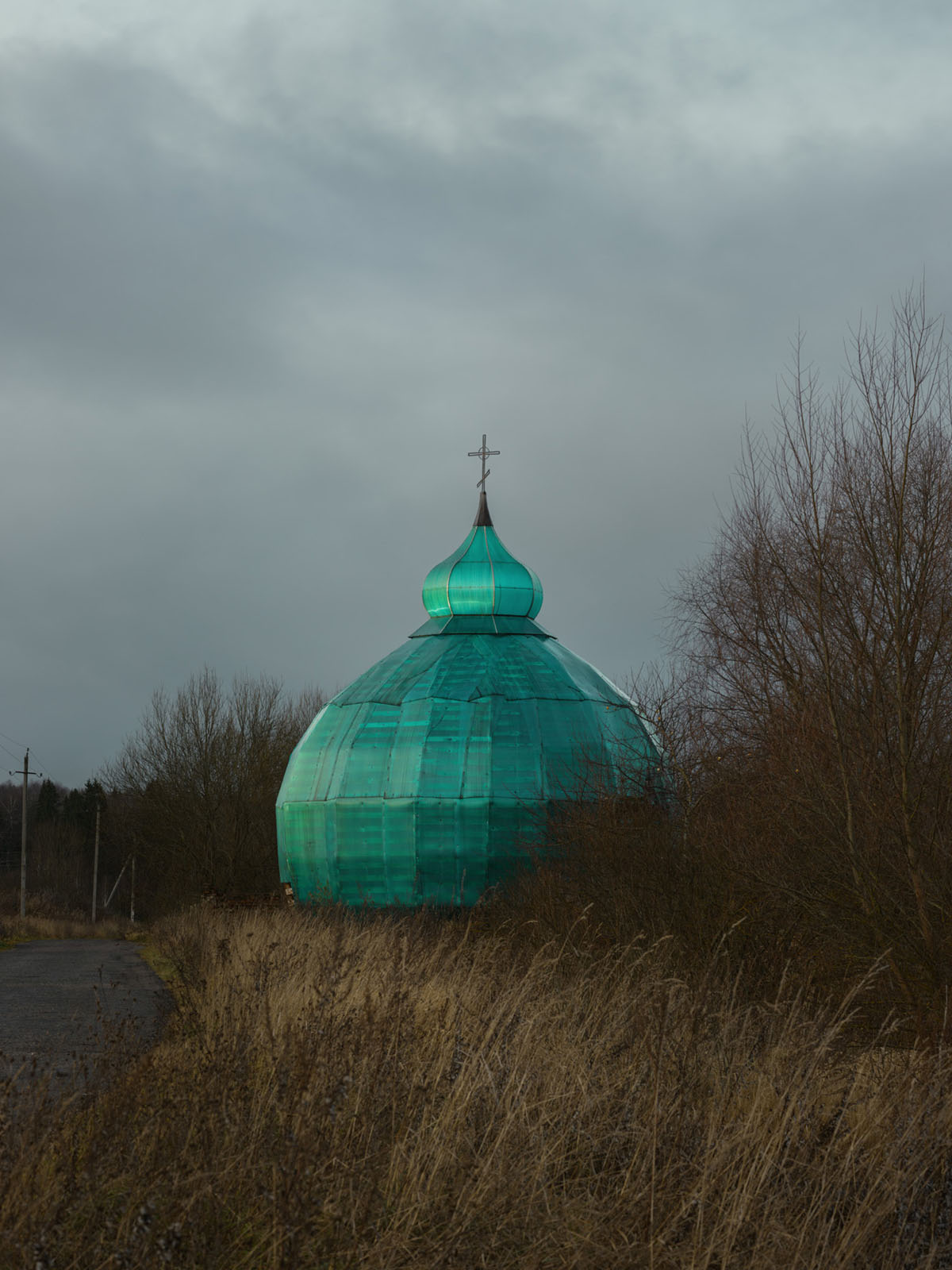
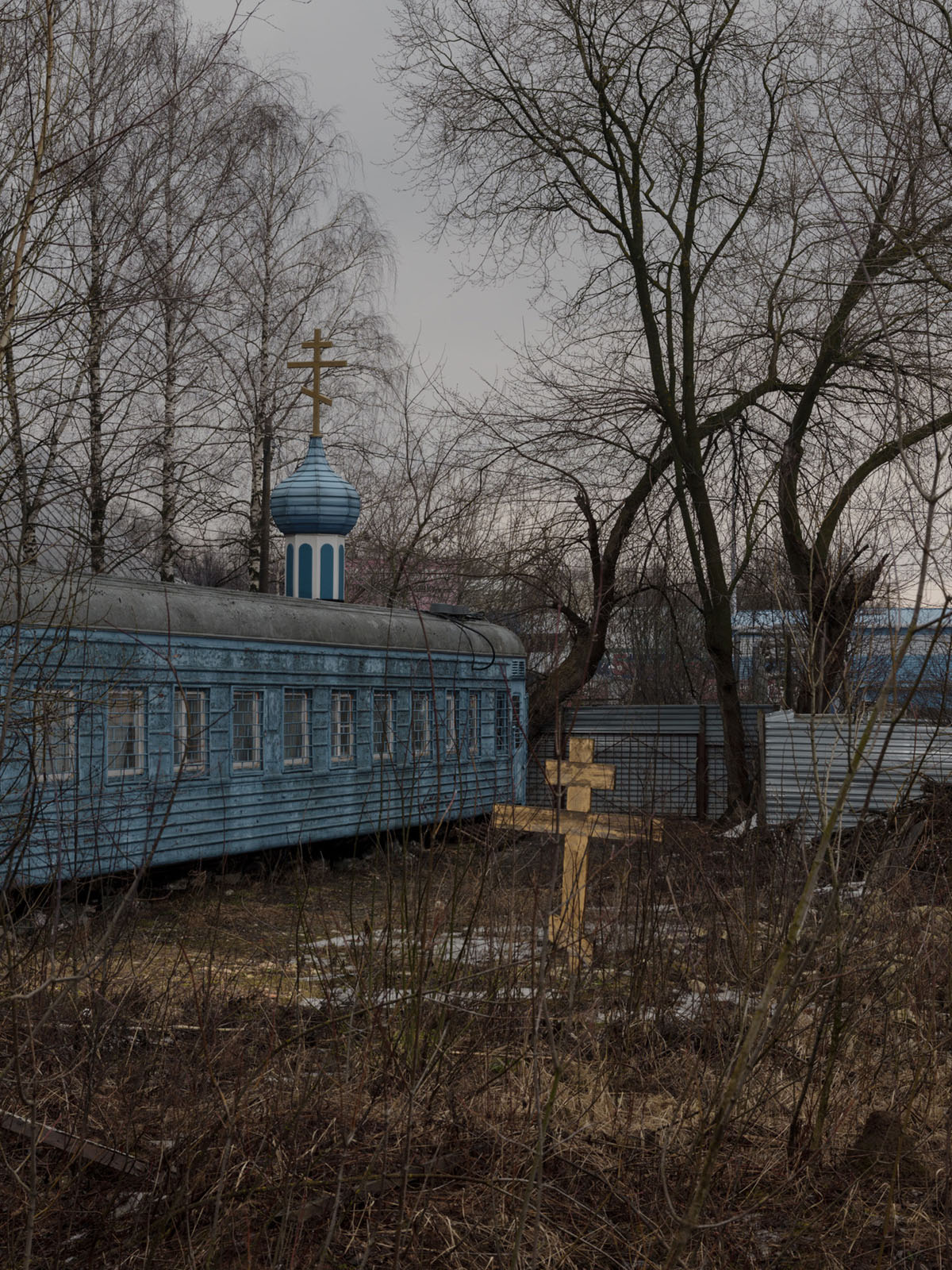
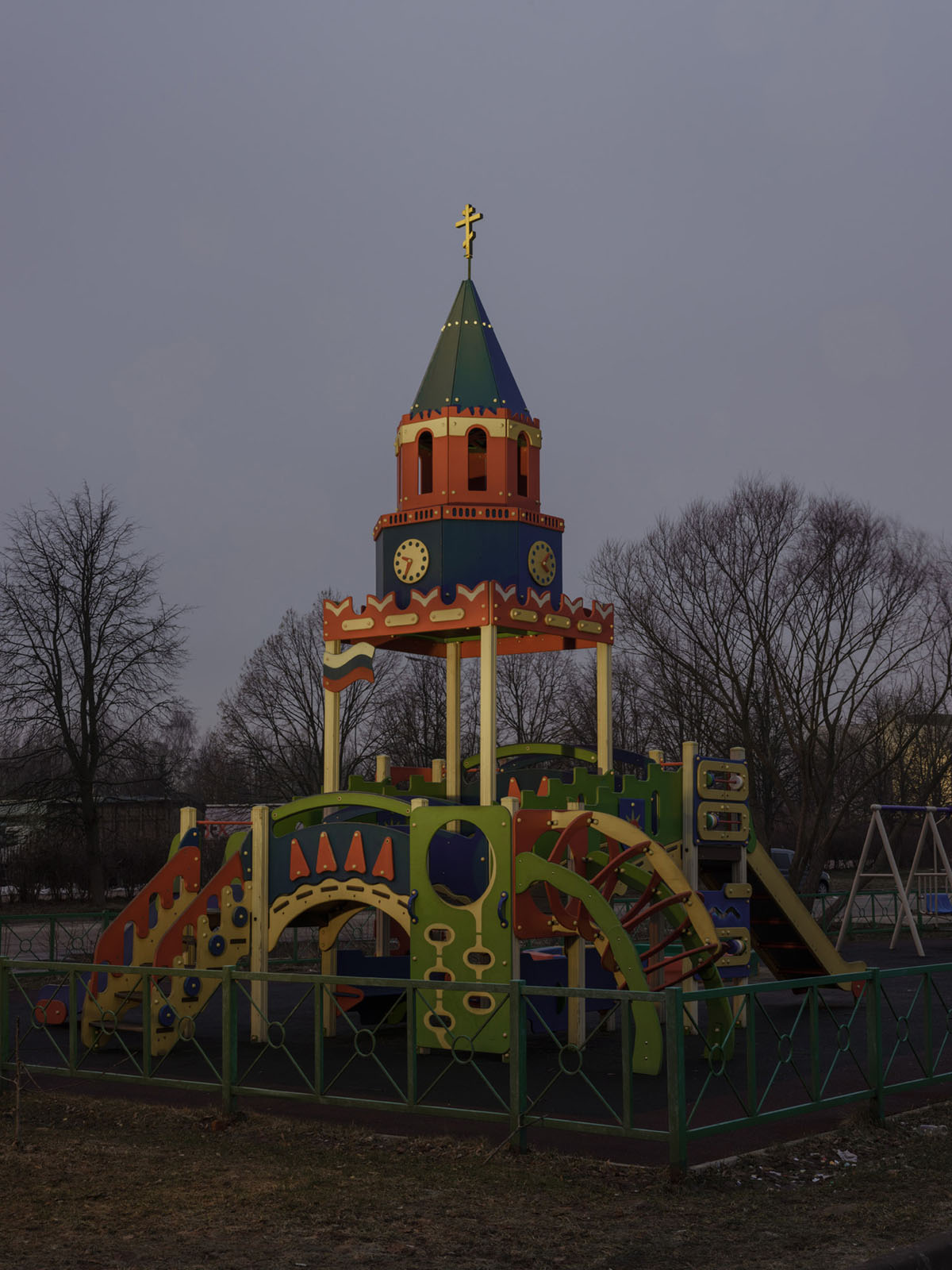
The Russian political system uses Orthodoxy as a political instrument. The statement "there is no power but of God" (Romans 13:1) is pronounced by state officials. According to the Russian Orthodox Church (ROC), three new churches a day are being opened in Russia. The Patriarch, the head of the ROC, reproaches the desire for well-being and comfort and calls Covid-19 "God's mercy," while the president of Russia states that in the event of a nuclear war, "we will go to heaven as martyrs." The ban on abortion, the promotion of so-called "traditional values," and the strengthening of criminal prosecution for depictions of sexuality outside the heteronormative model are all legitimized through Orthodoxy.
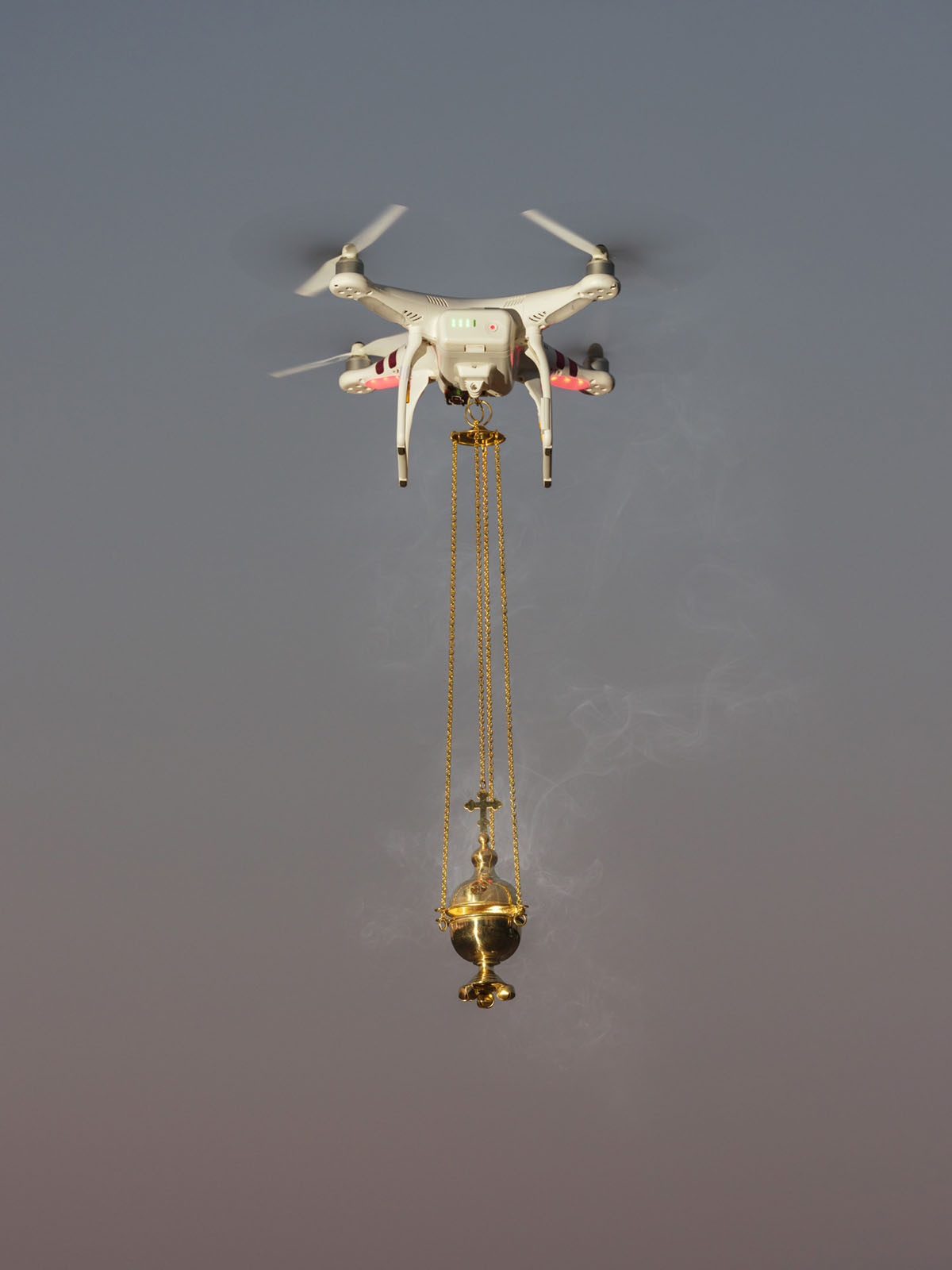
The church and the army are interwoven. The militarization of the church is becoming one of the central axes of the contemporary political agenda. "Military churches" are being built, weapons are being consecrated. In June 2023, justifying the invasion of Ukraine, representatives of the ROC stated that "pacifism is incompatible with the teaching of the Orthodox Church." The new Orthodox dogmatics manifests itself as a convenient and effective mechanism of subordination, justification of authoritarianism, military aggression, and the irremovability of power. It also supports the official rejection of any other way of life and system of values.
Today, the word "God" is enshrined in the Constitution of Russia, and since 2013, a law on insulting the feelings of believers has been introduced into the criminal code for the first time in the country’s recent history, making it possible to open criminal proceedings against virtually any expression or artwork of a religious nature.
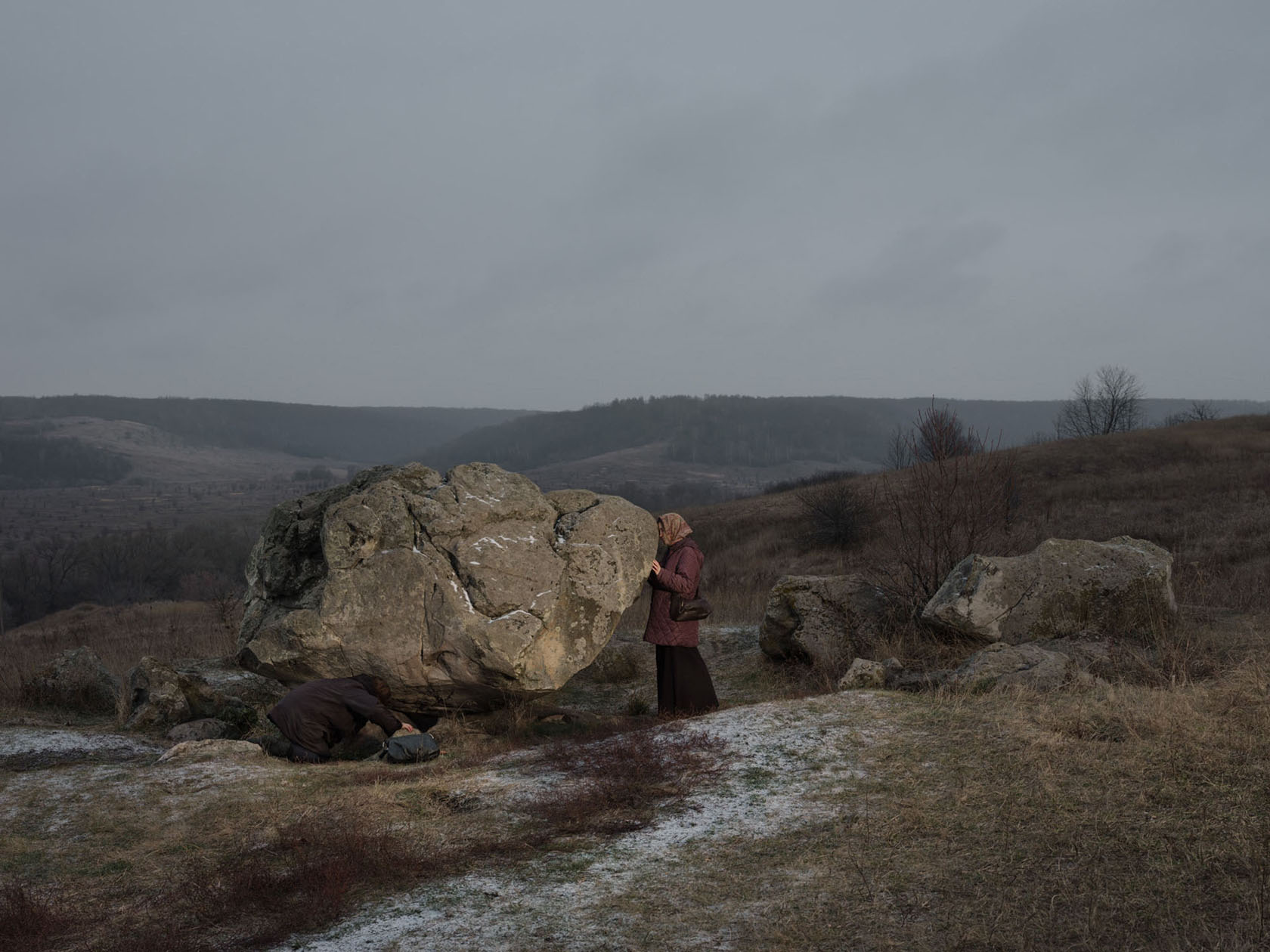
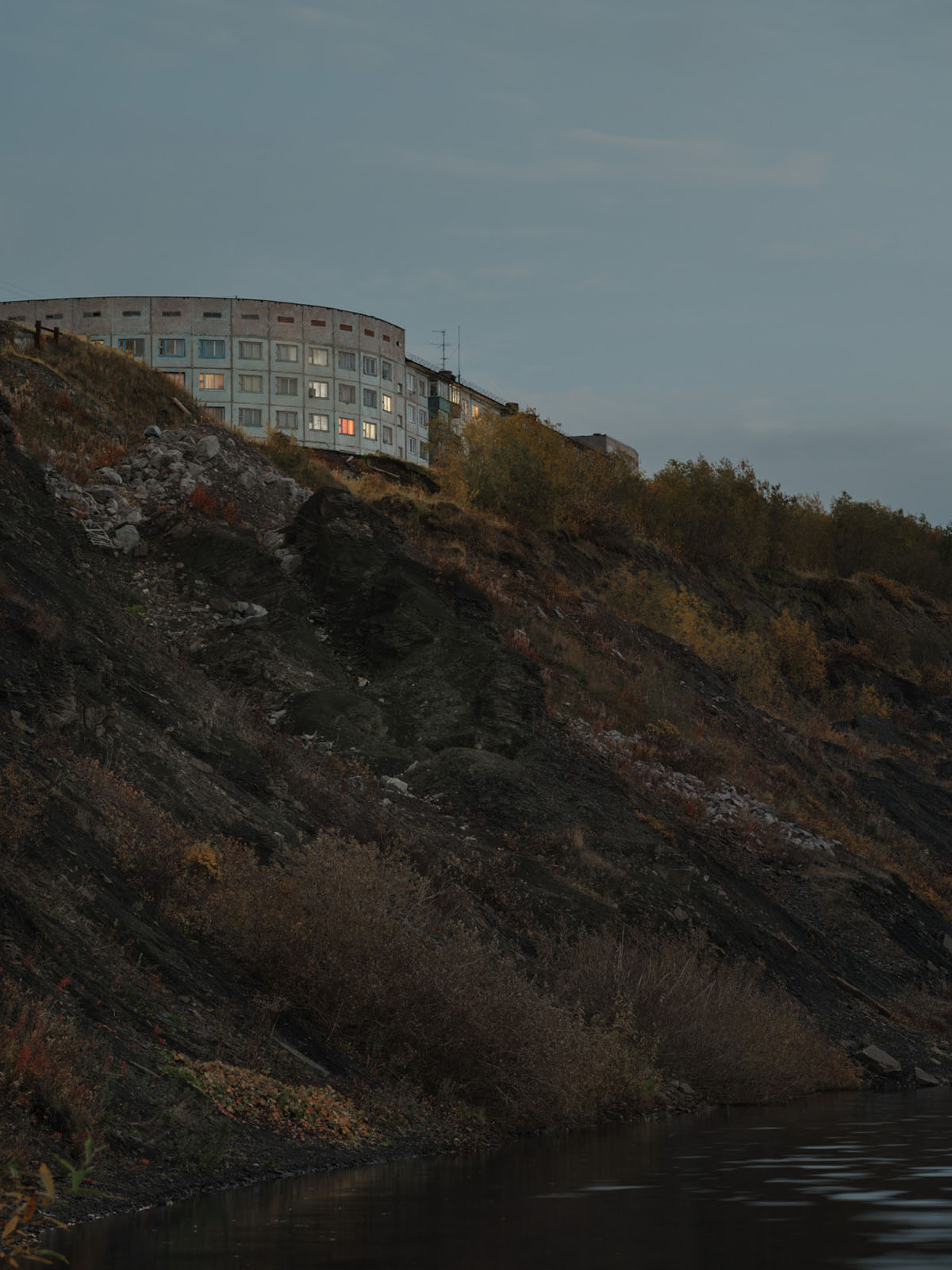
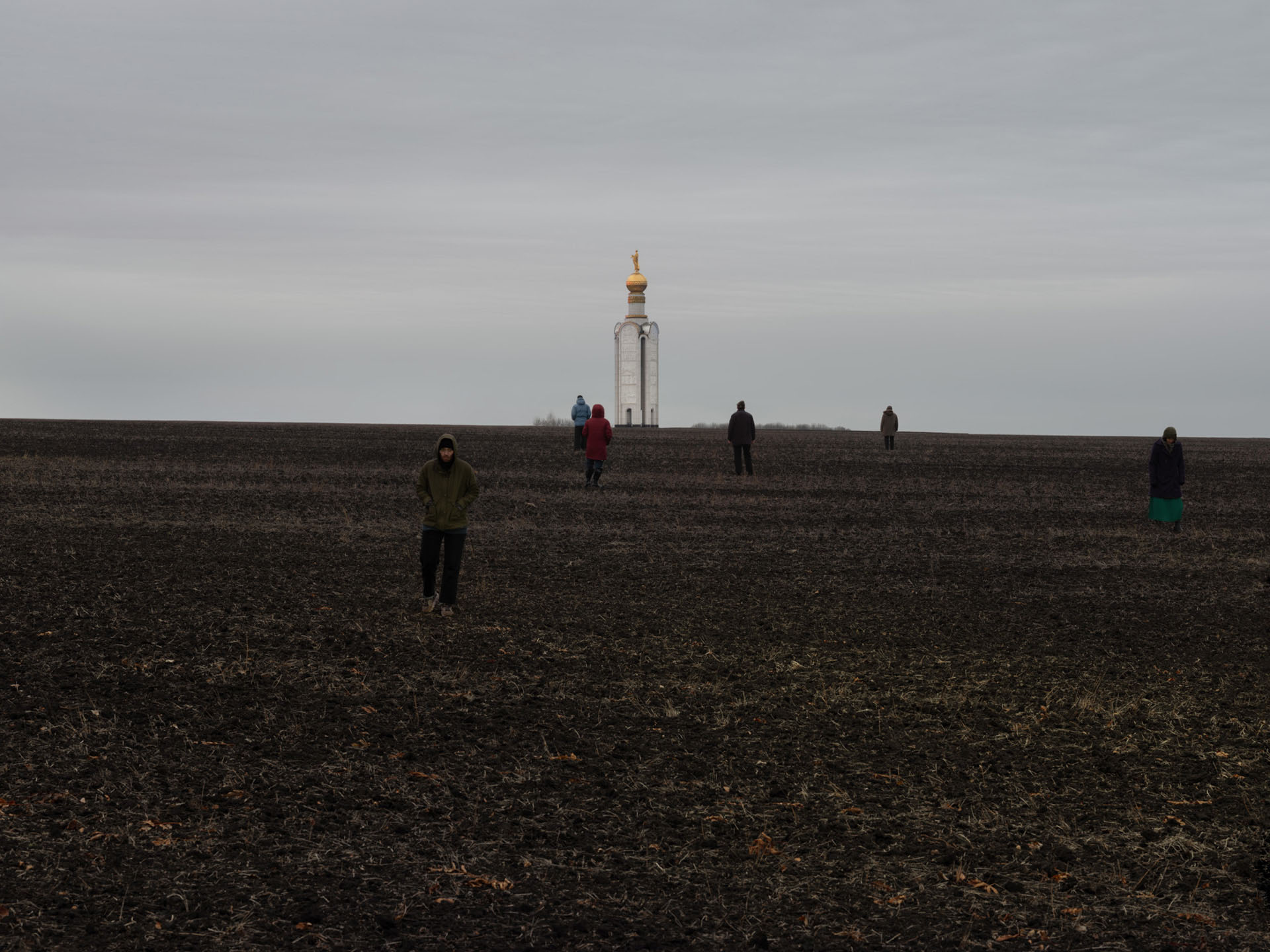
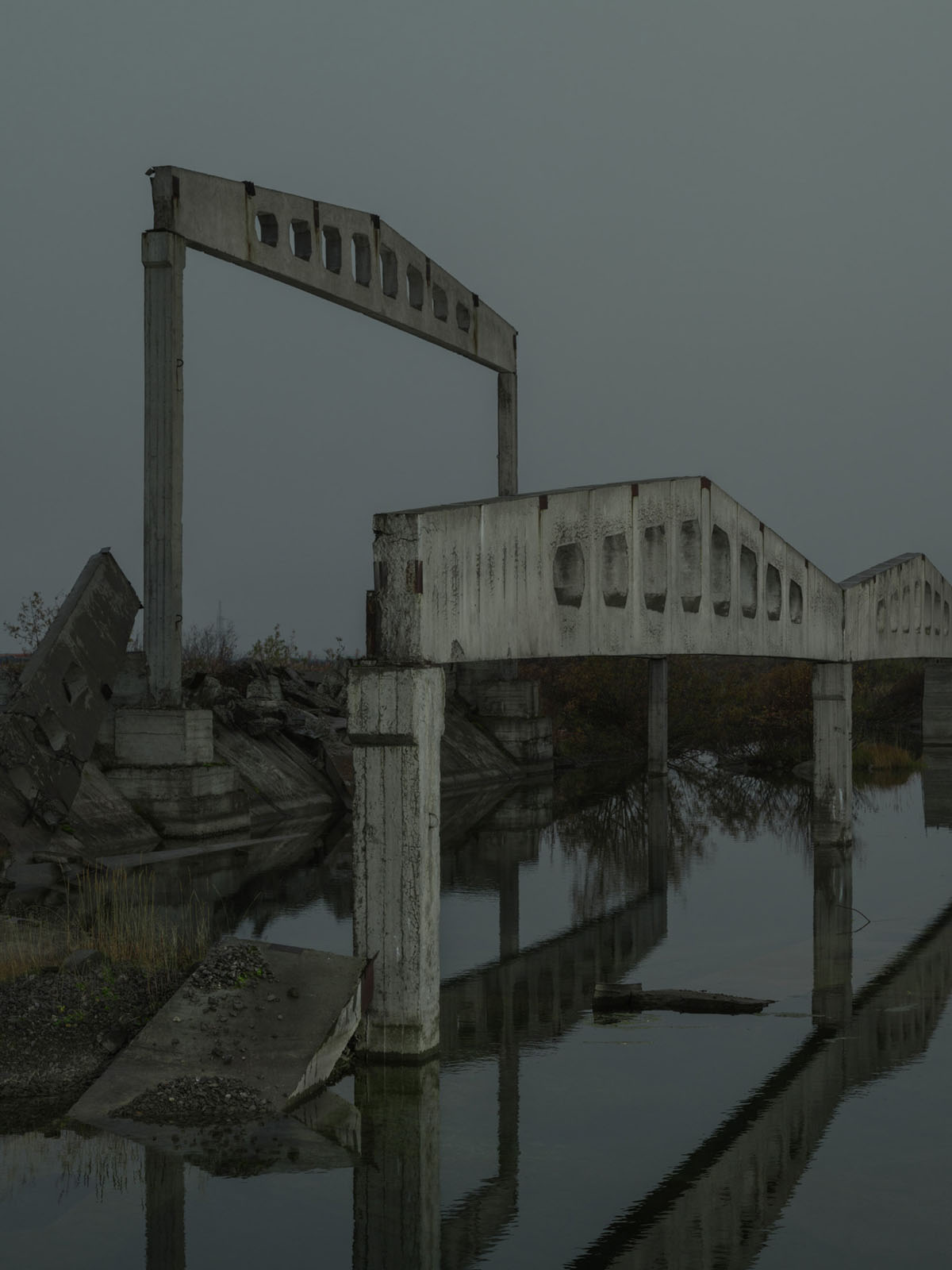
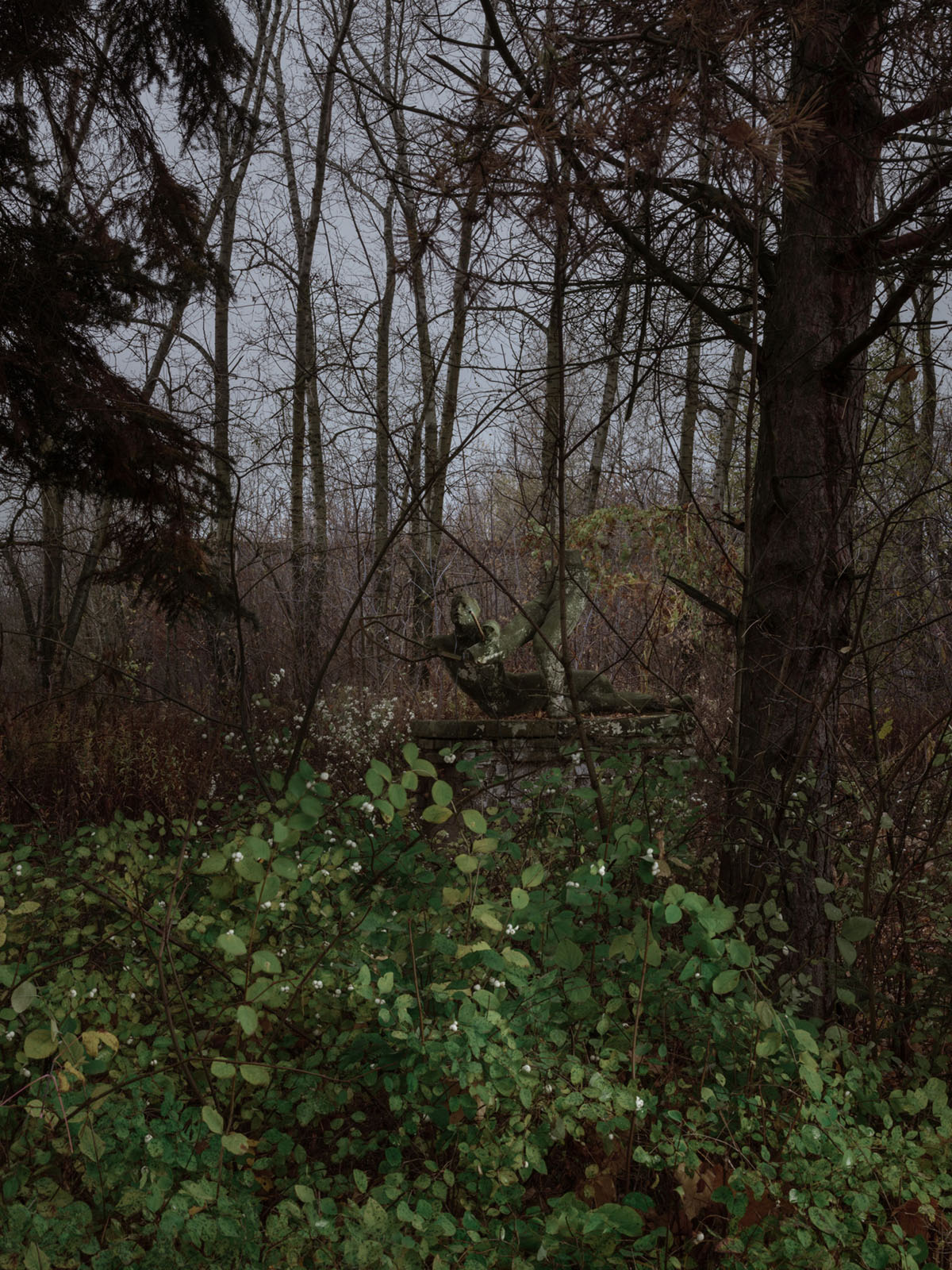
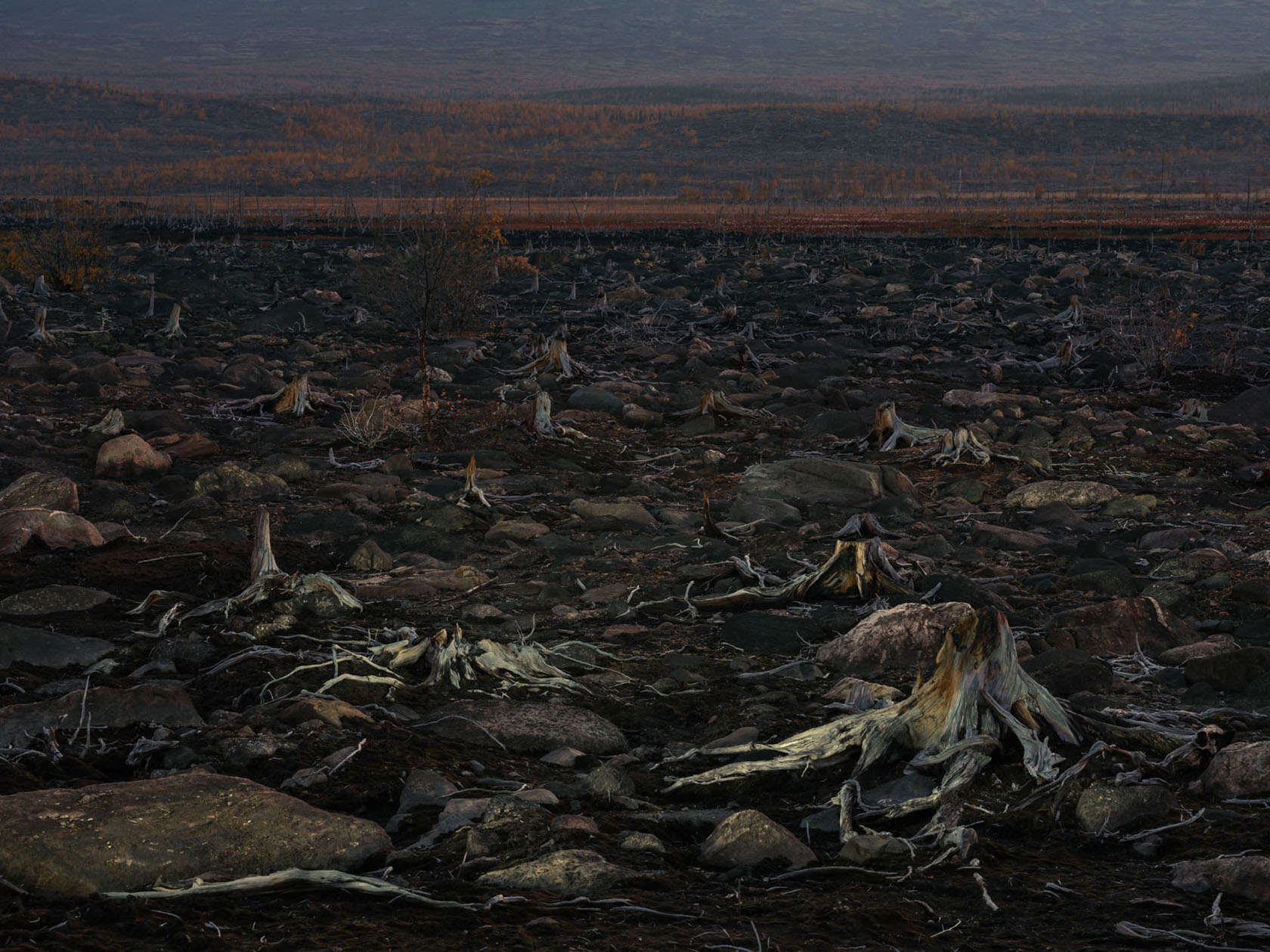
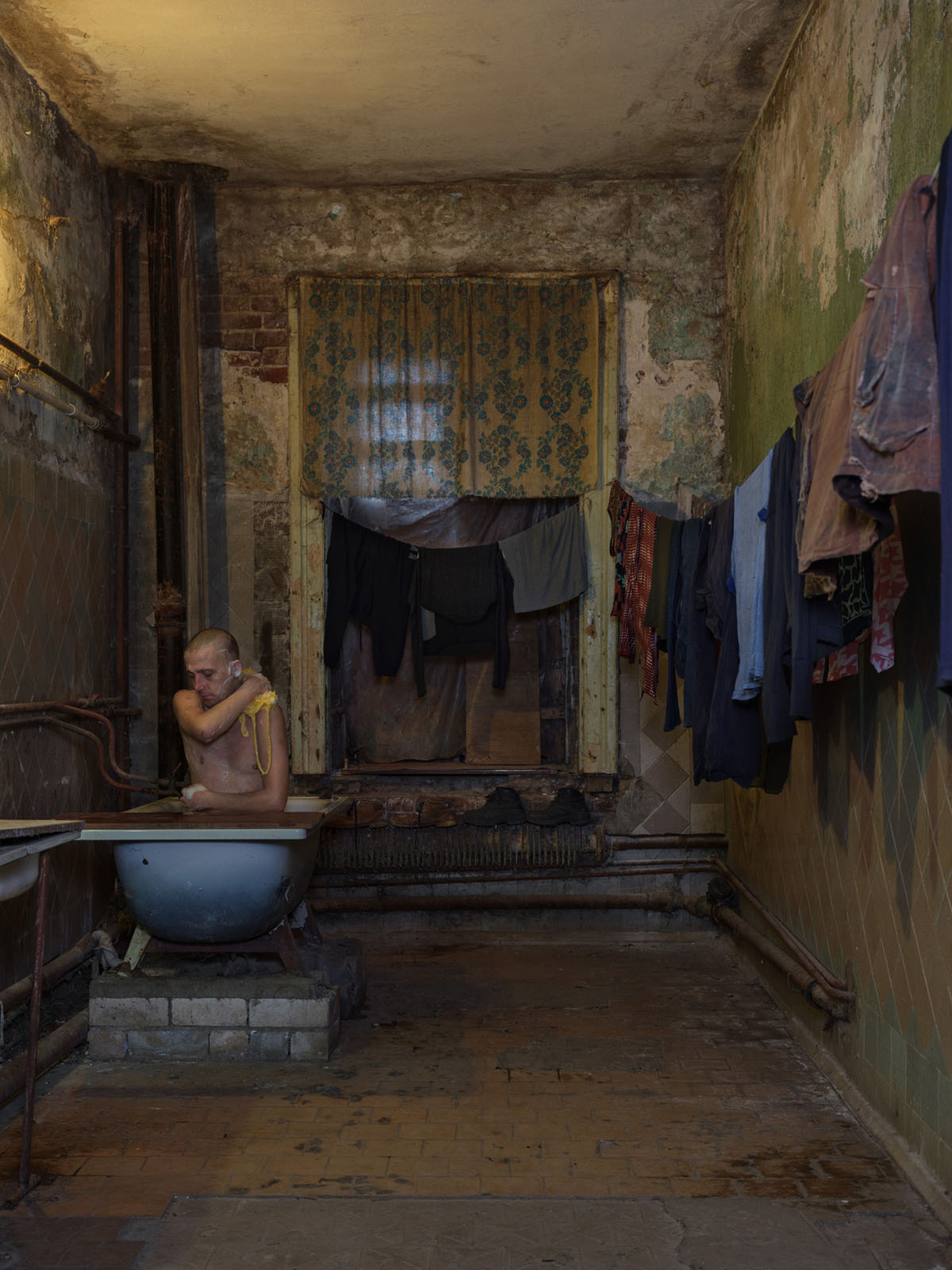
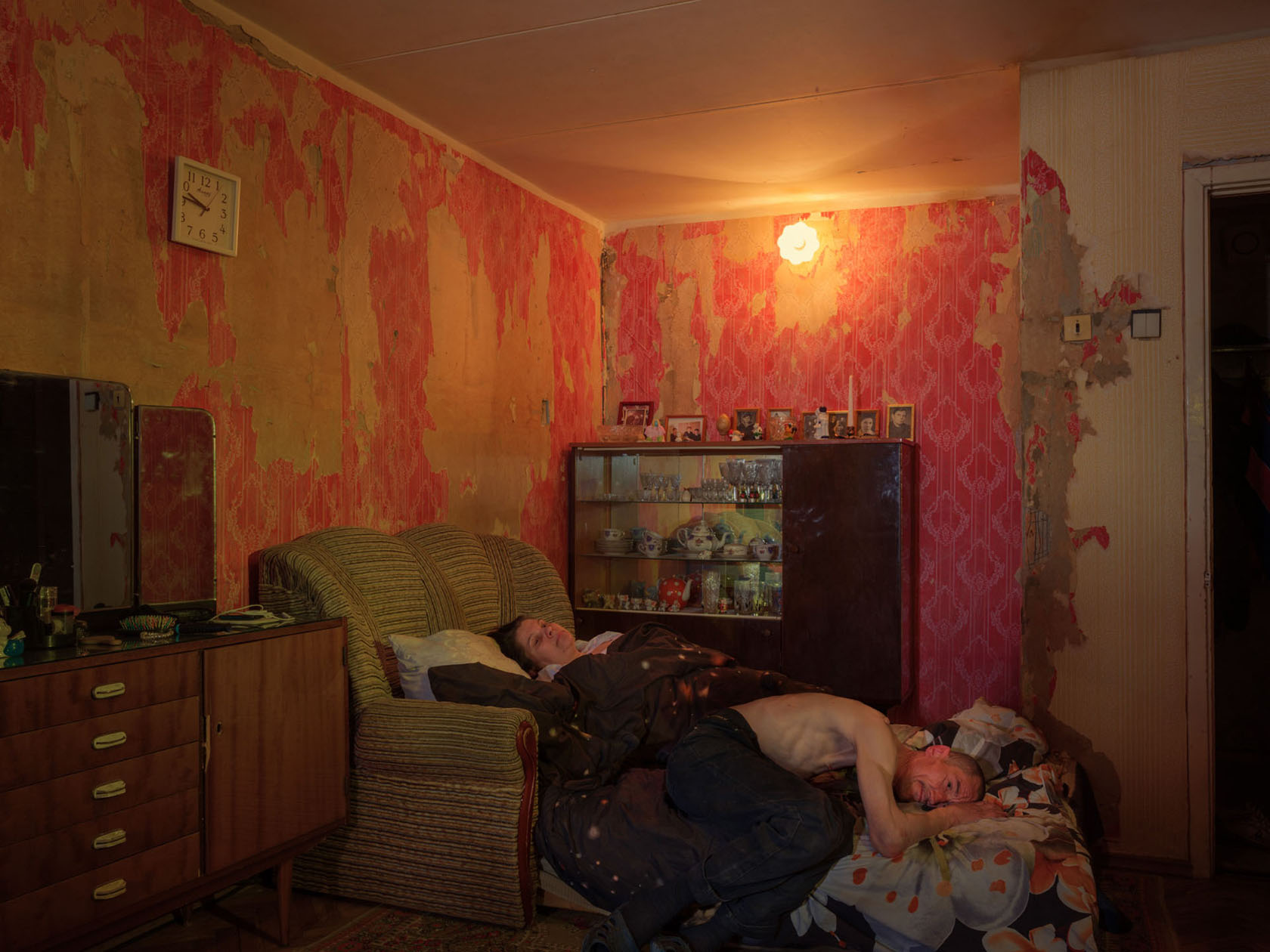
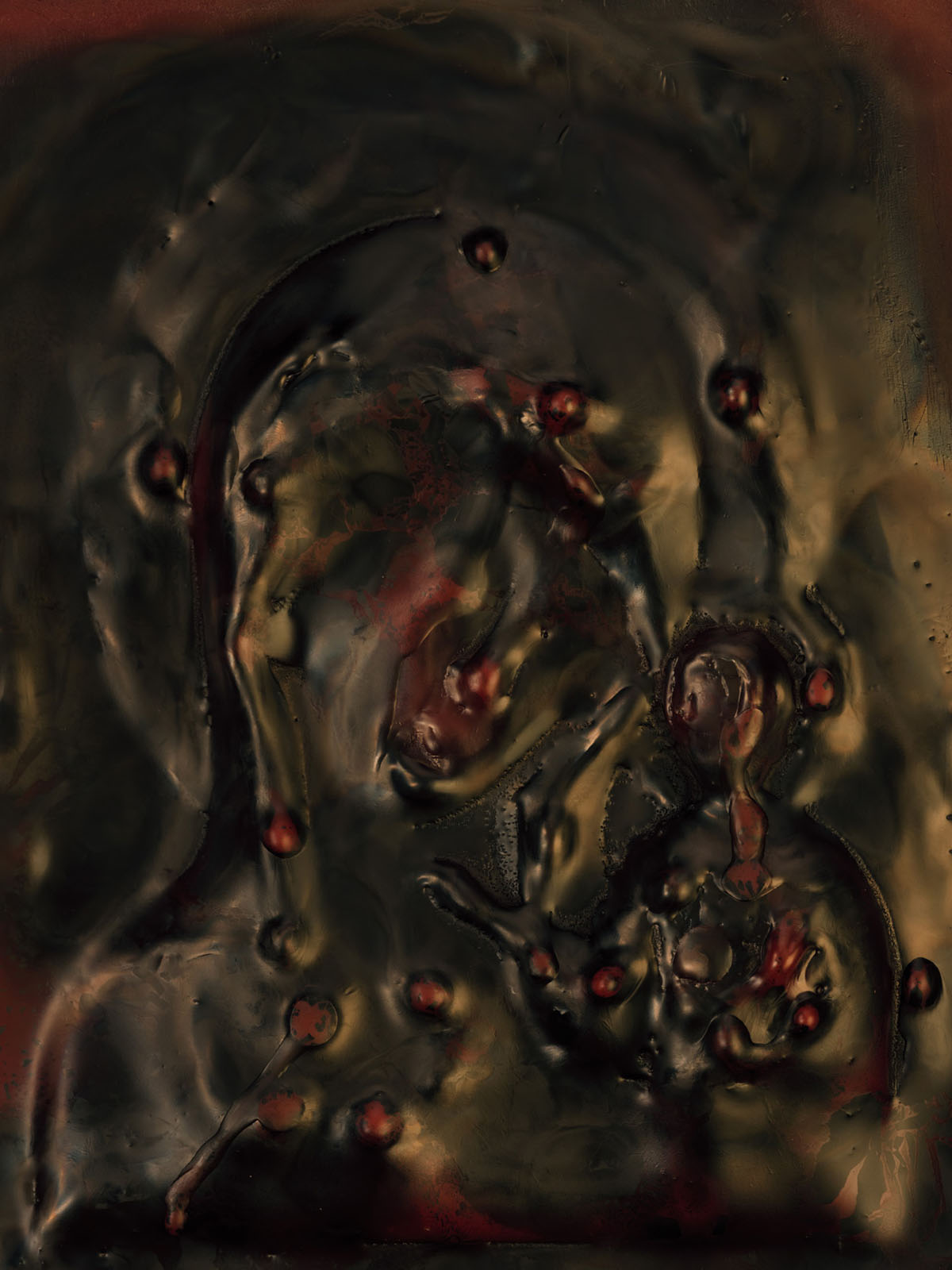
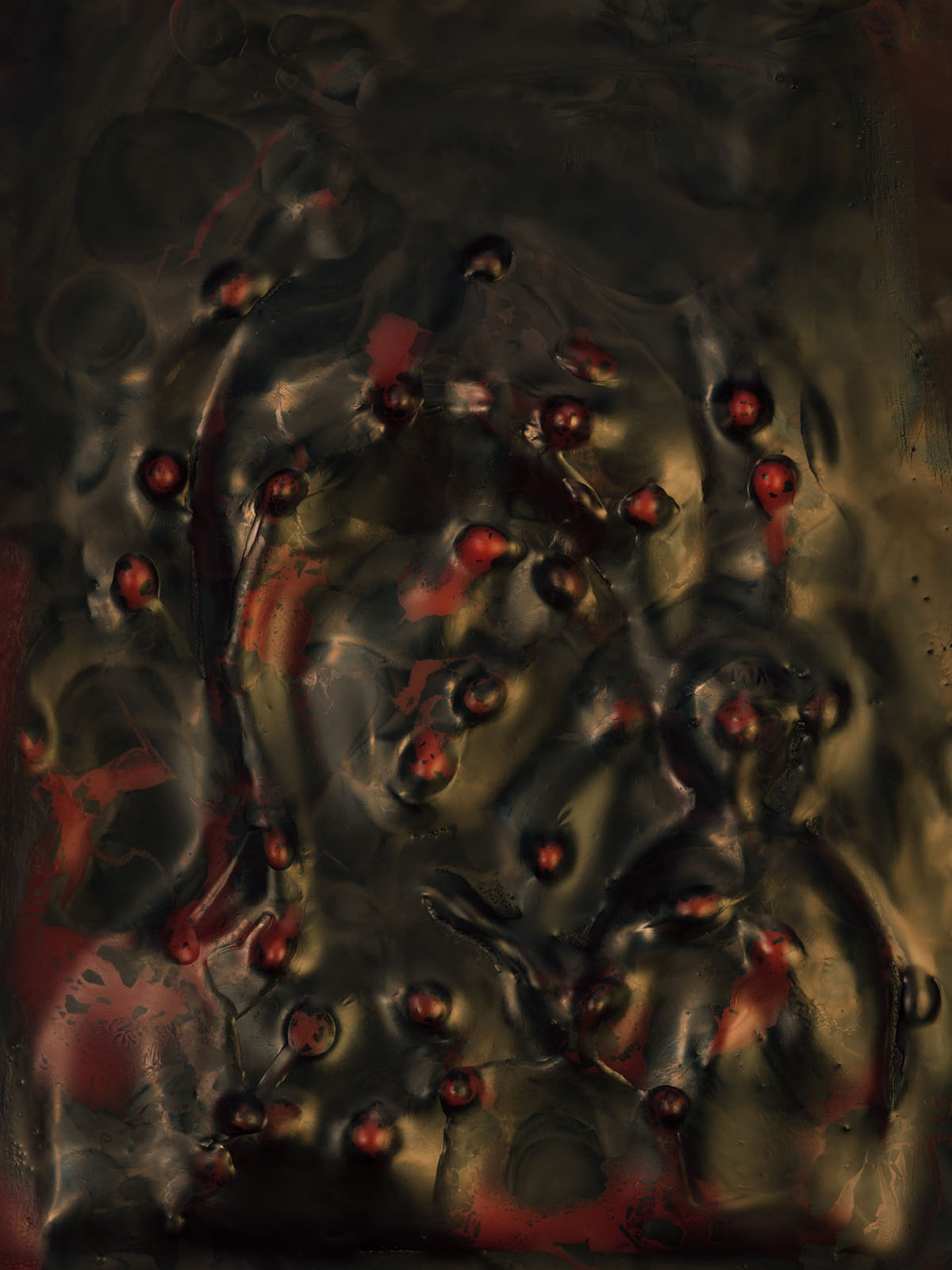
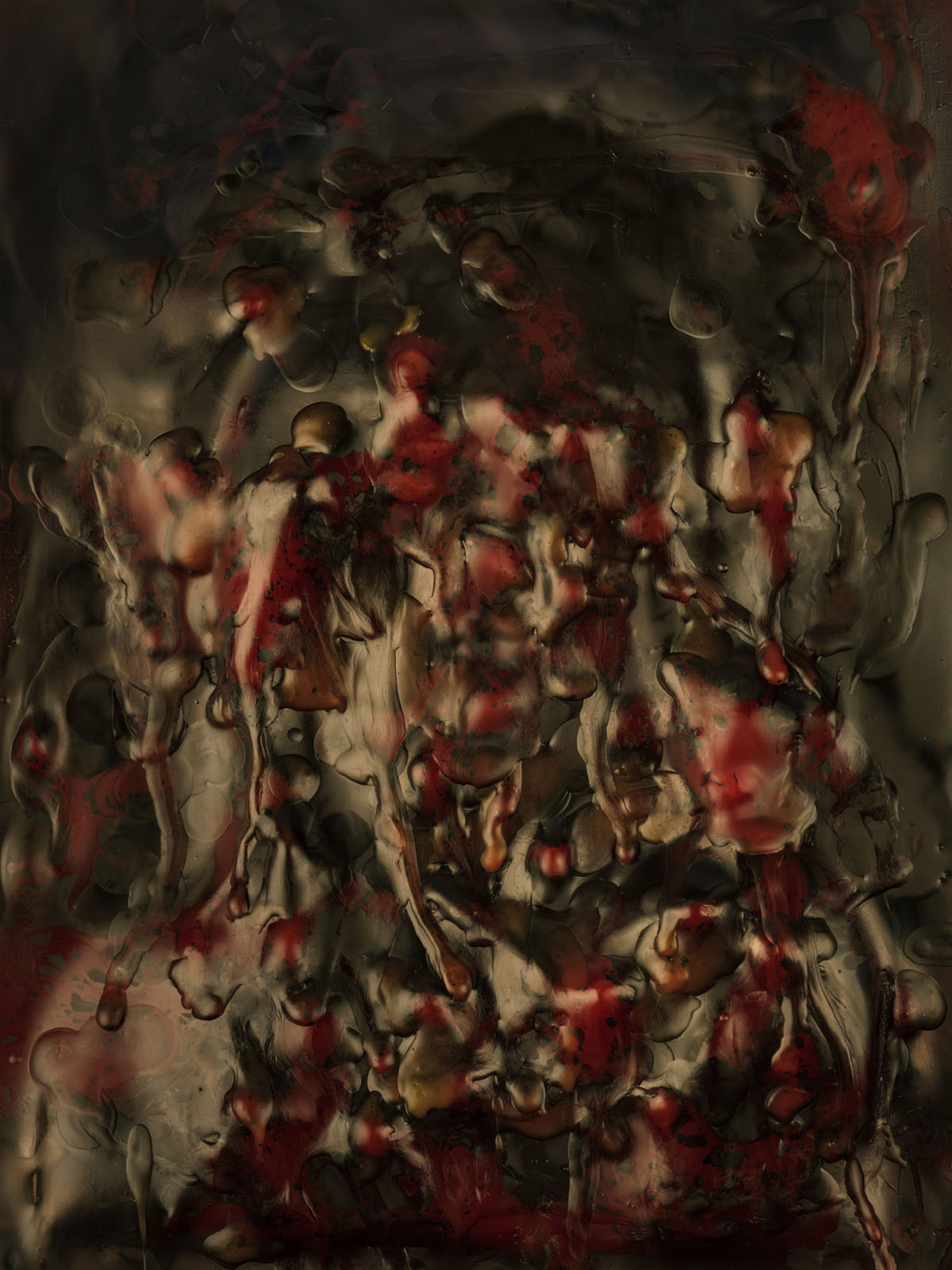
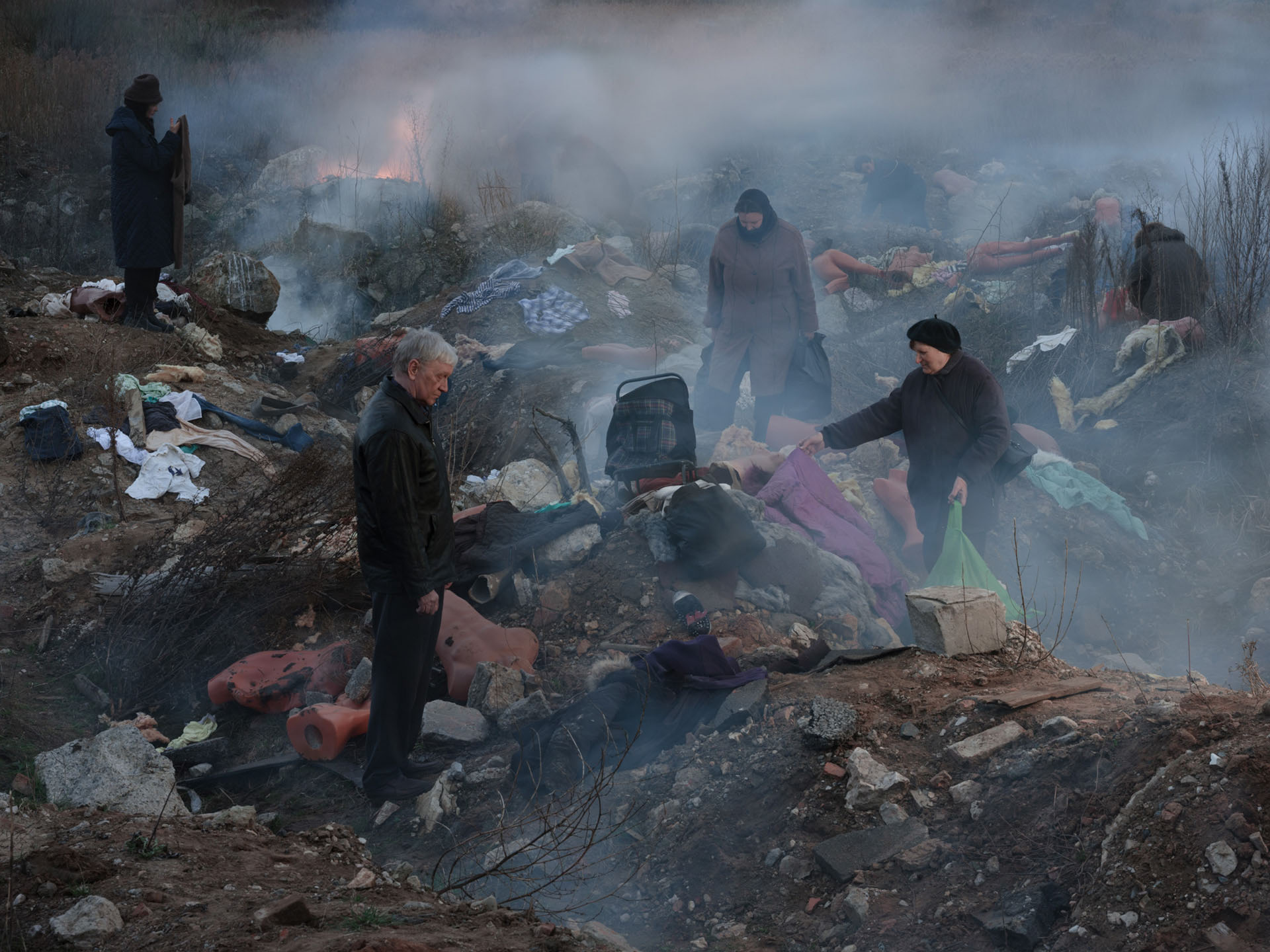
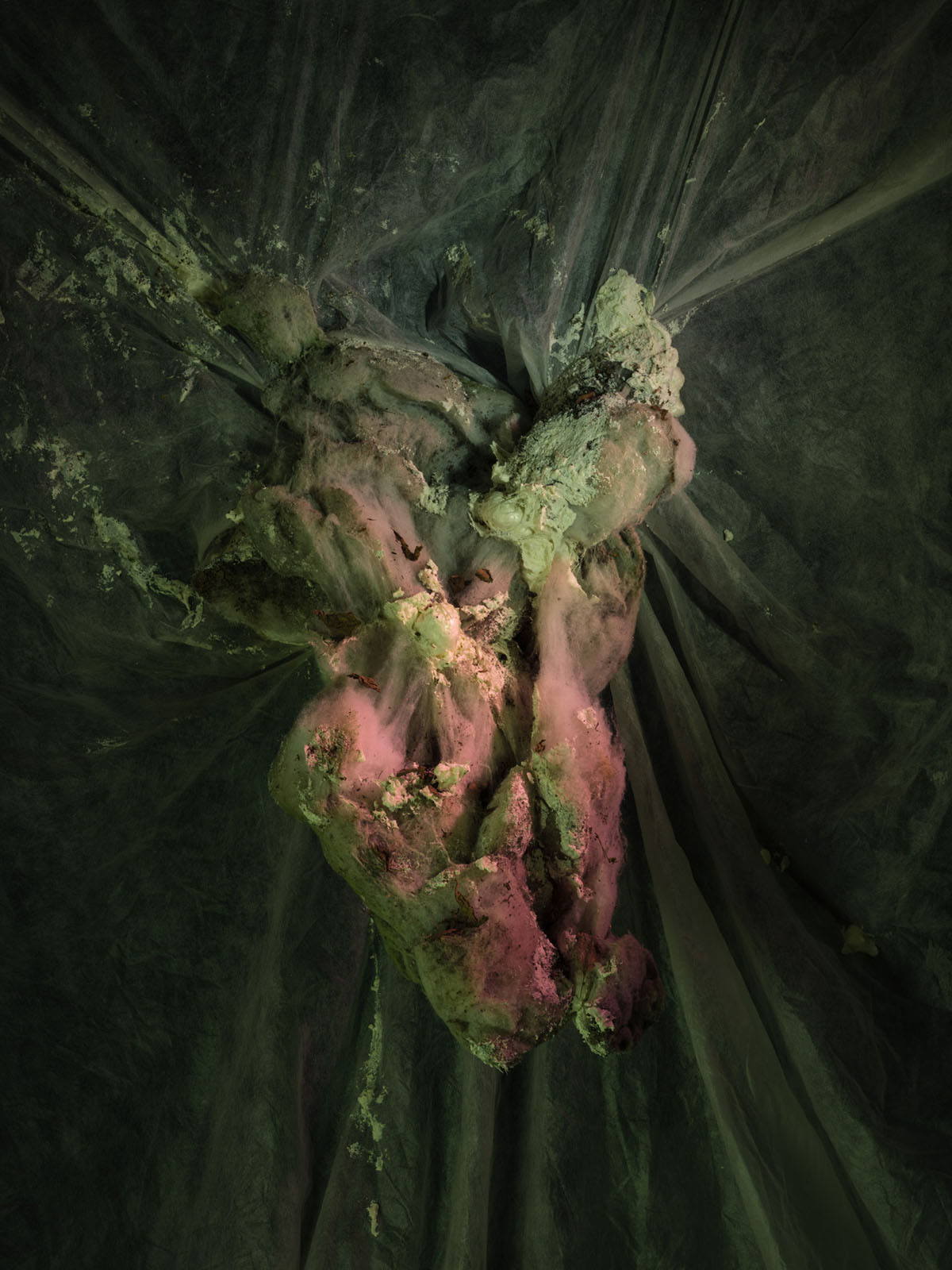
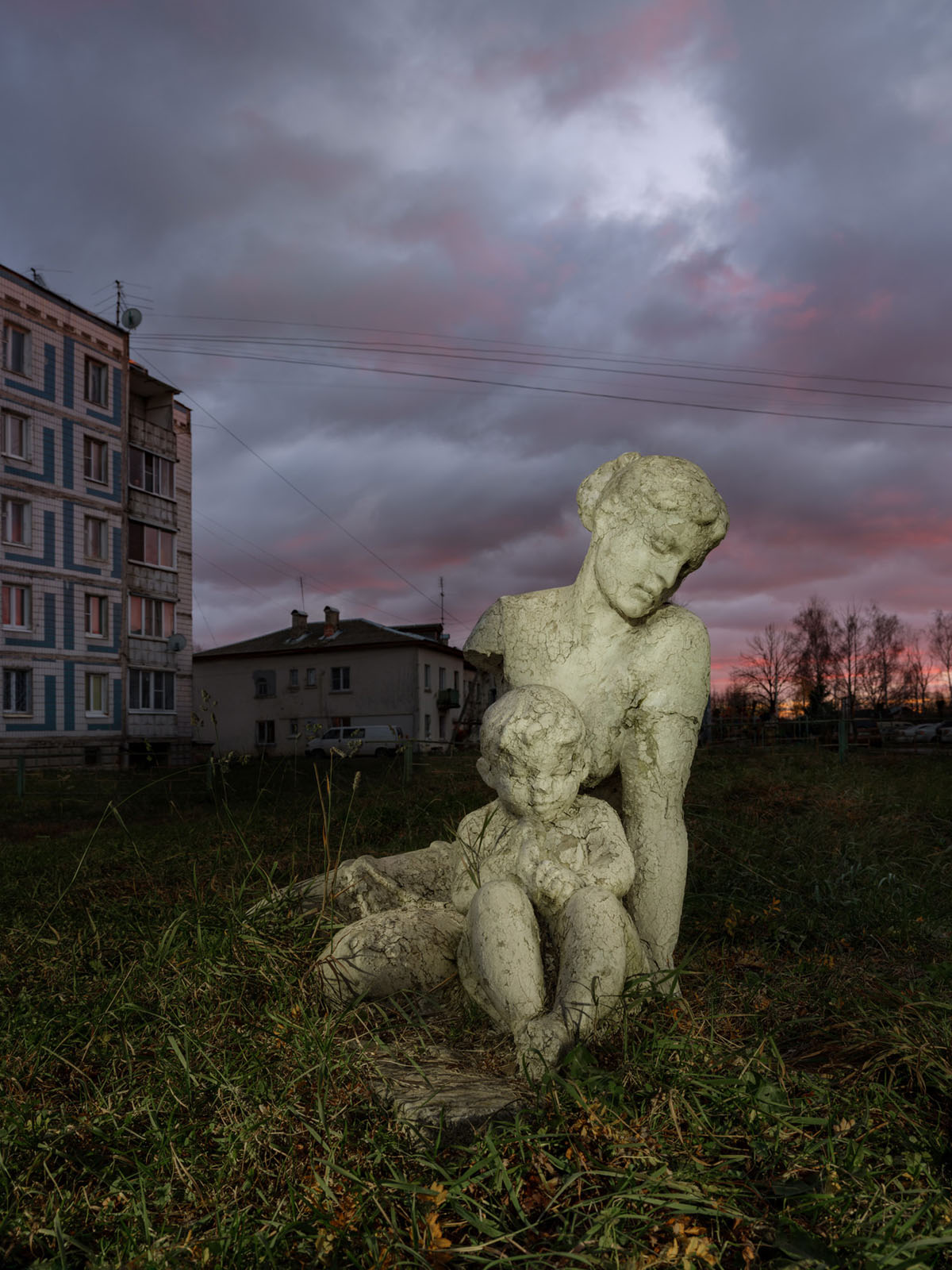
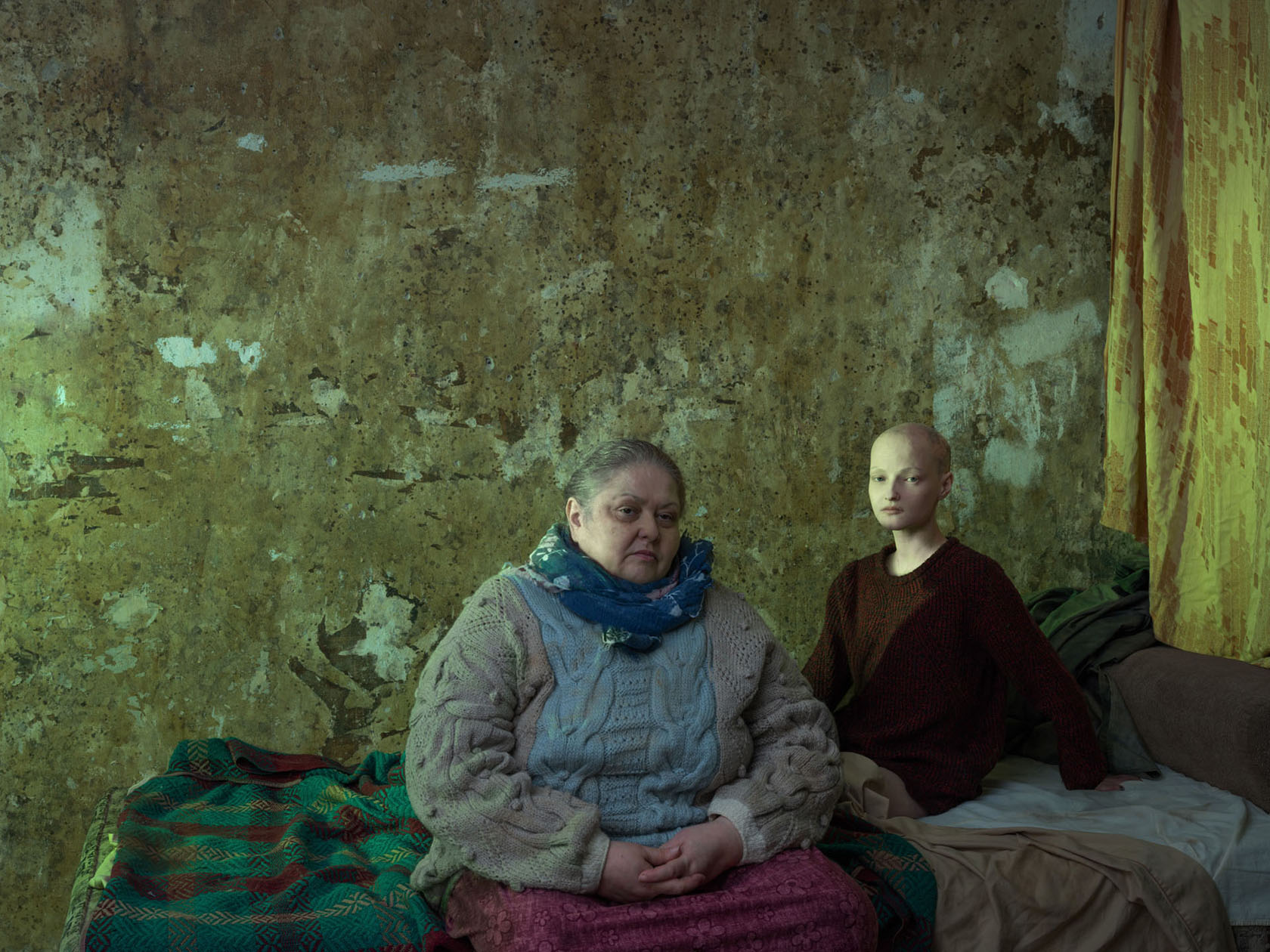
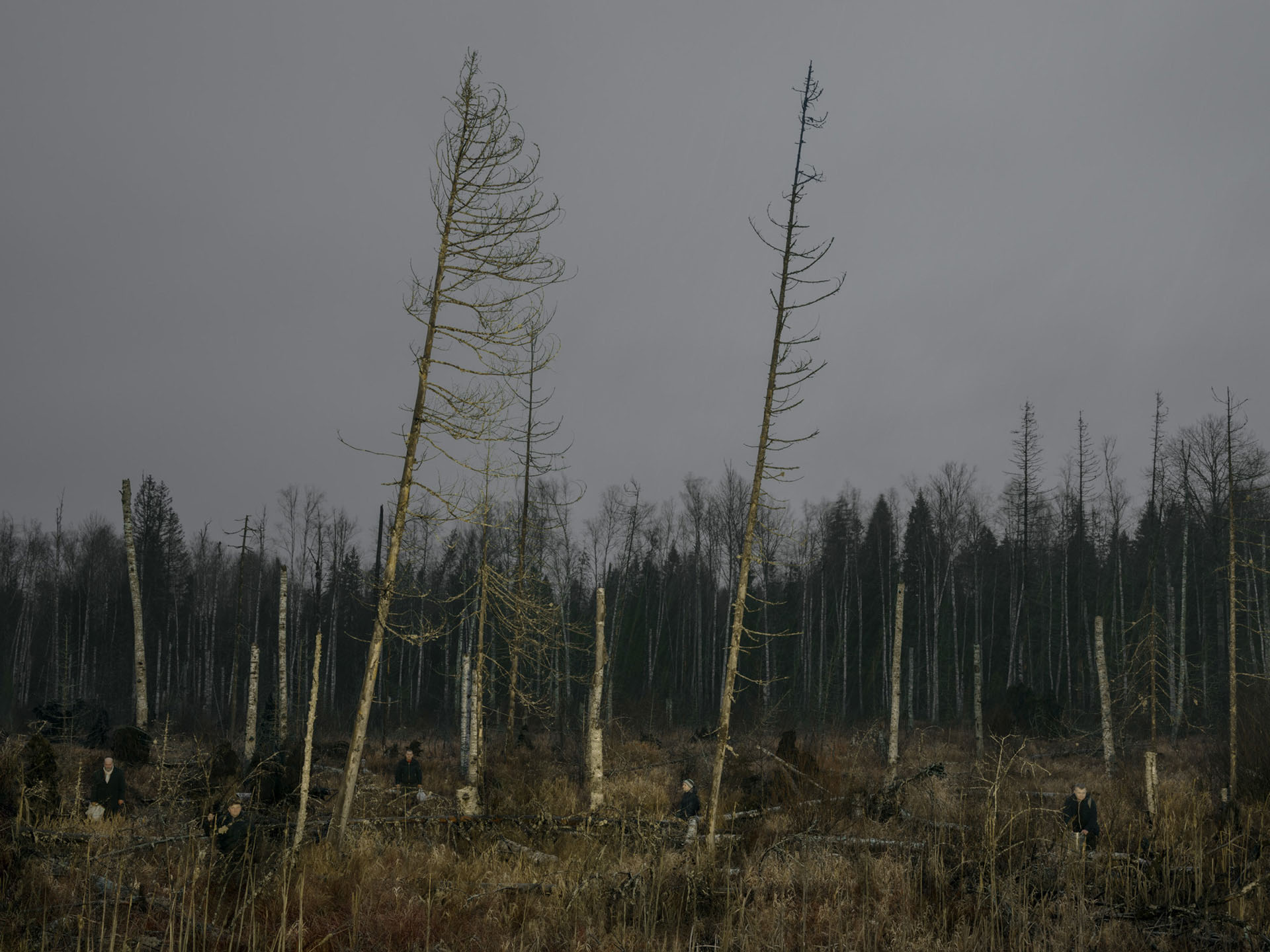
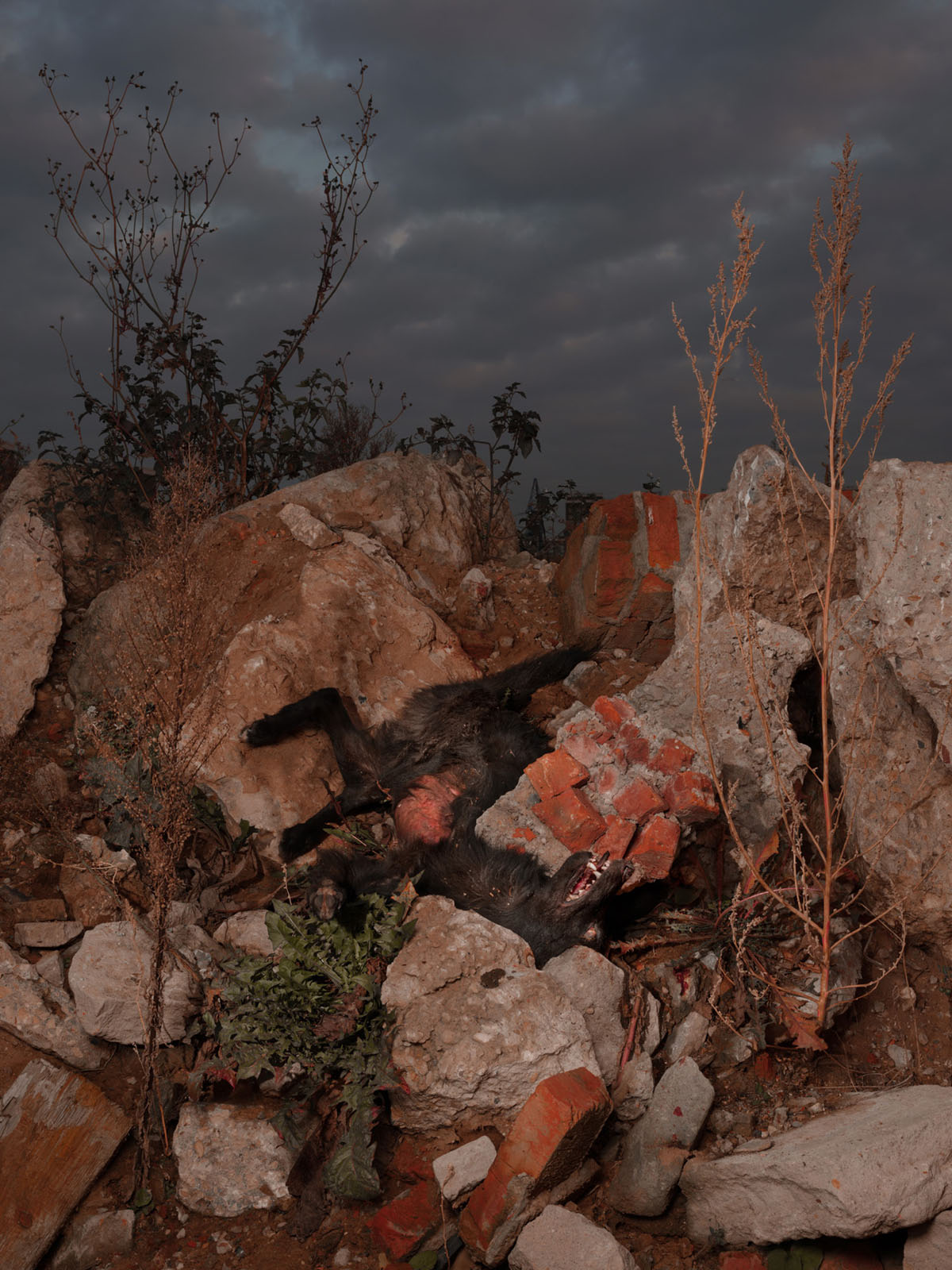
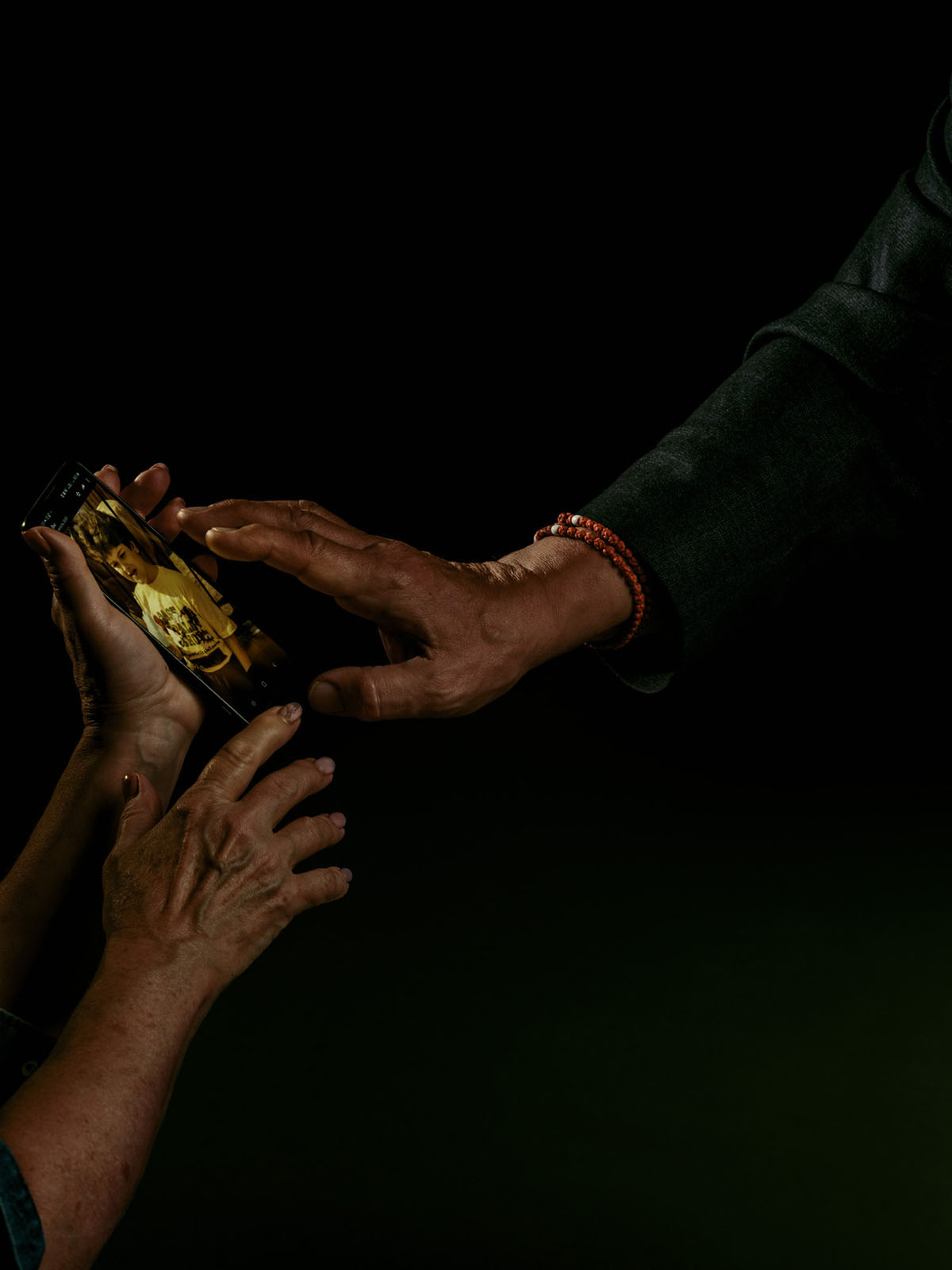
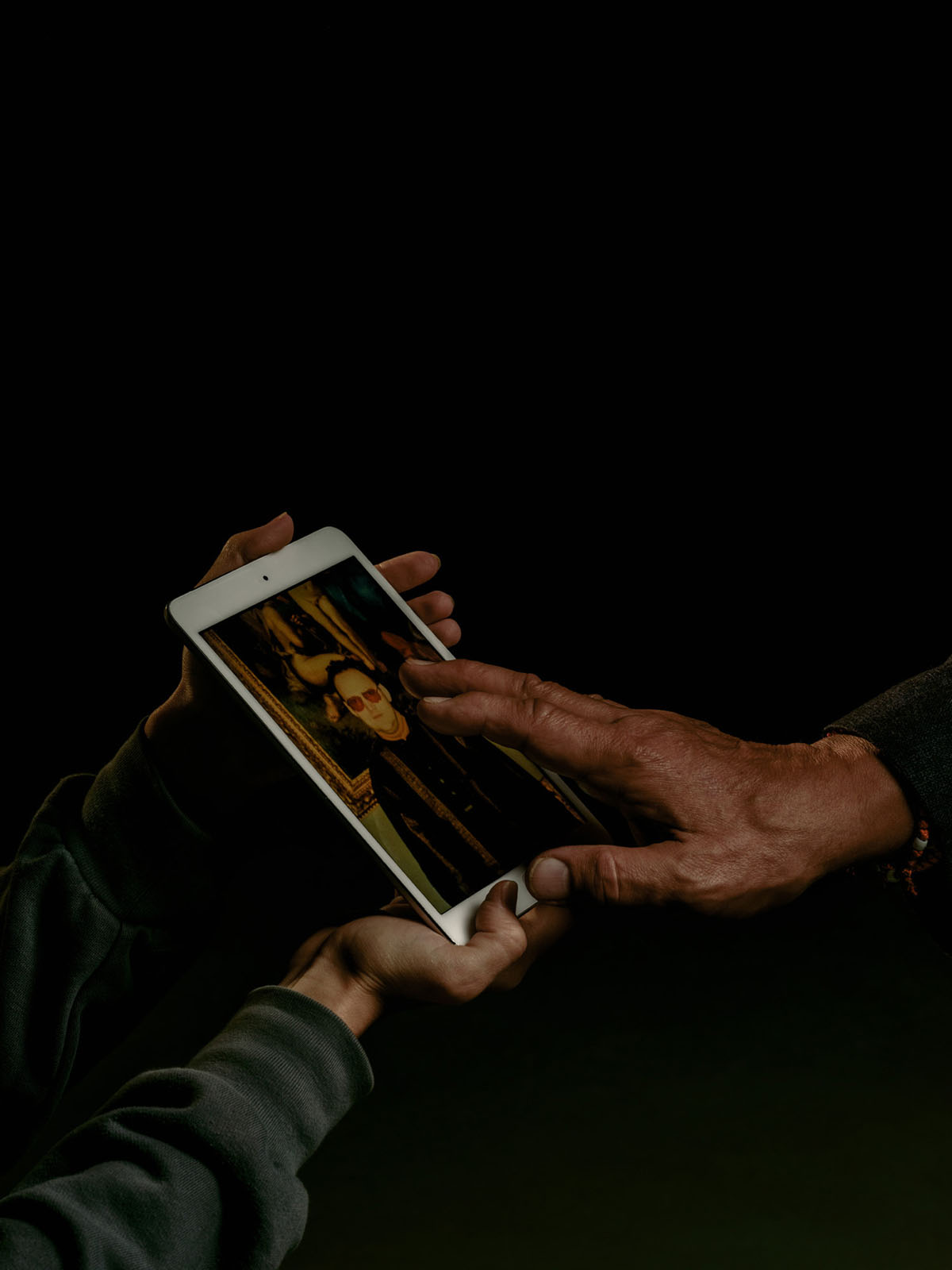
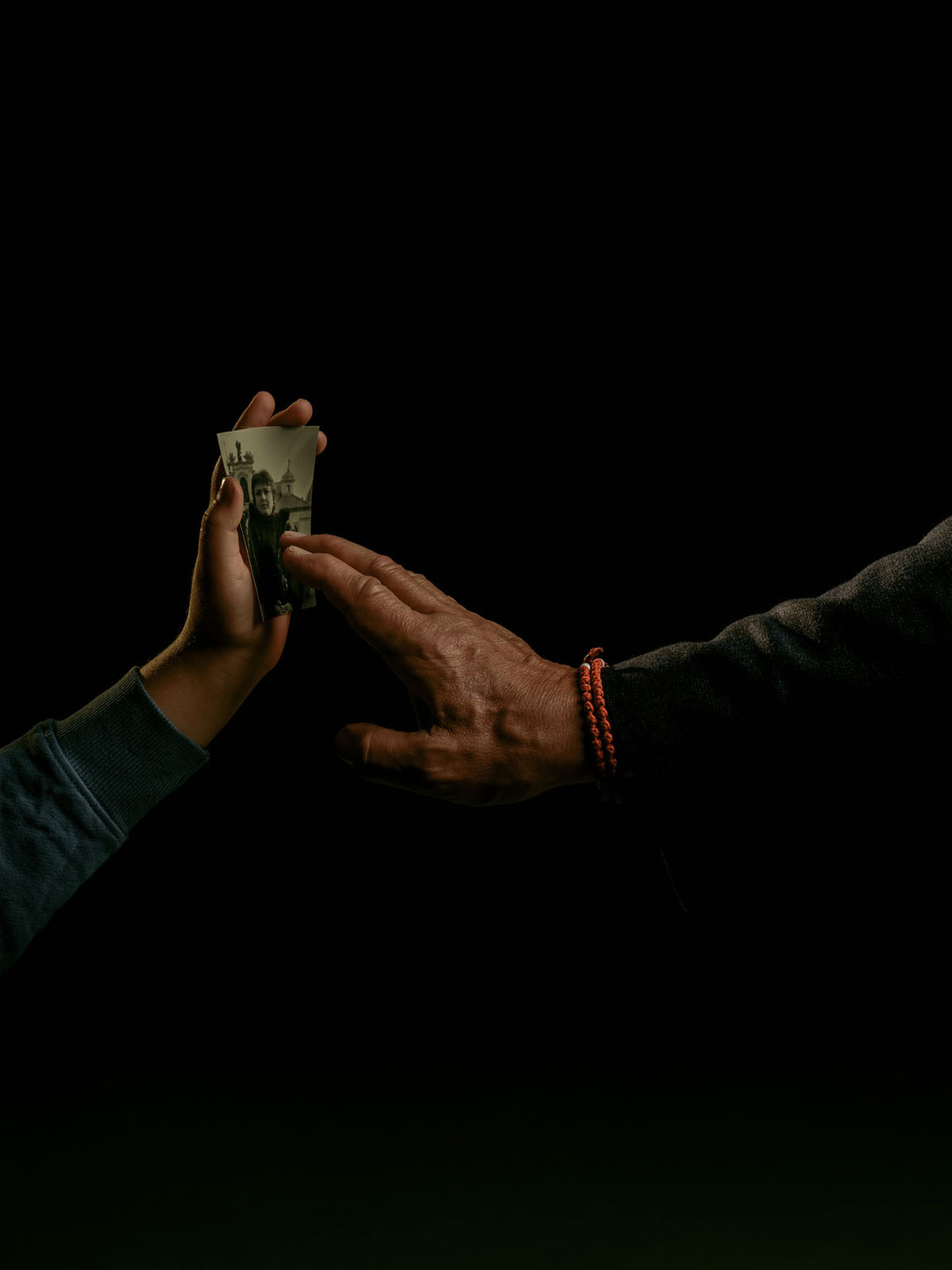
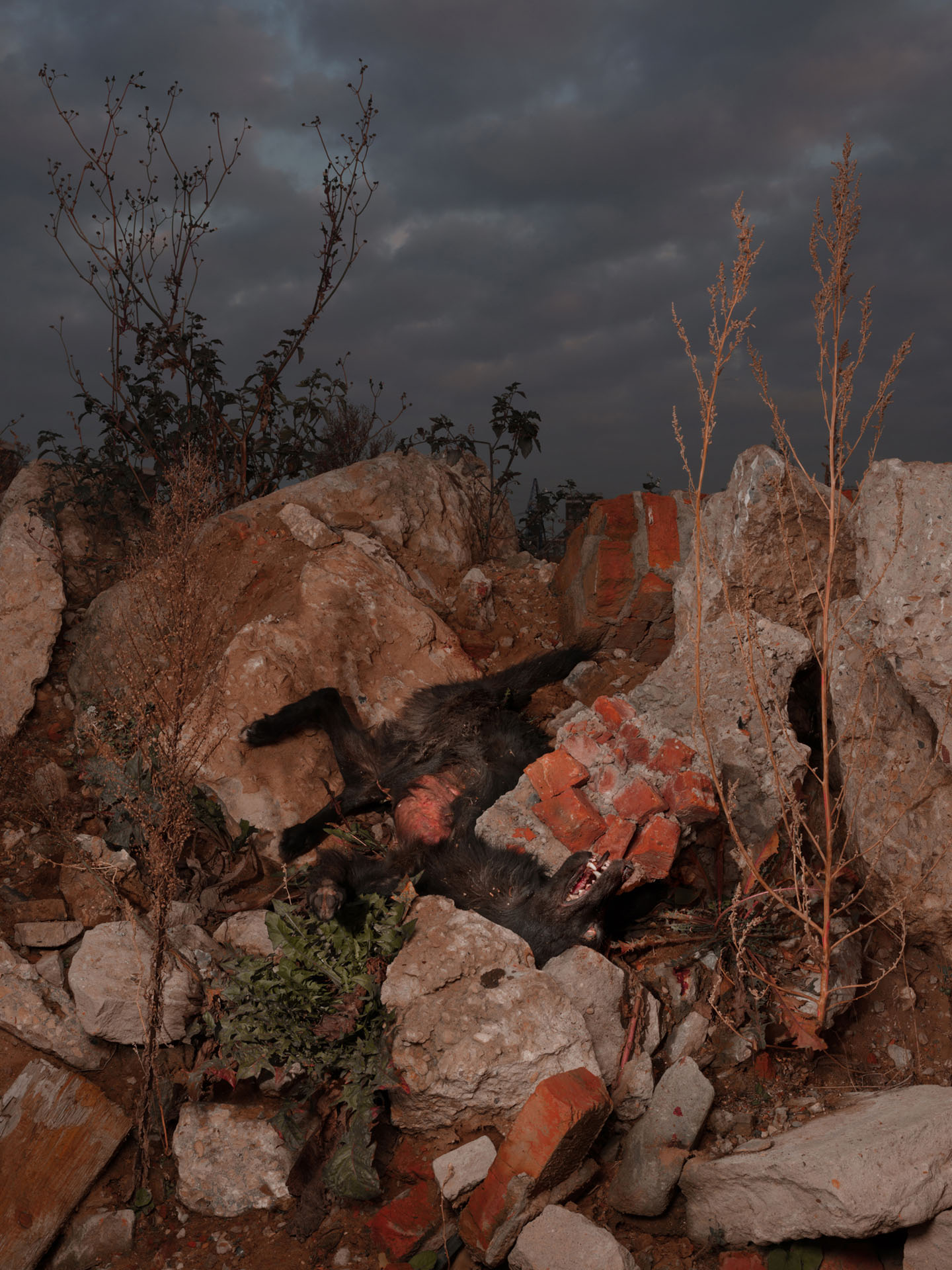
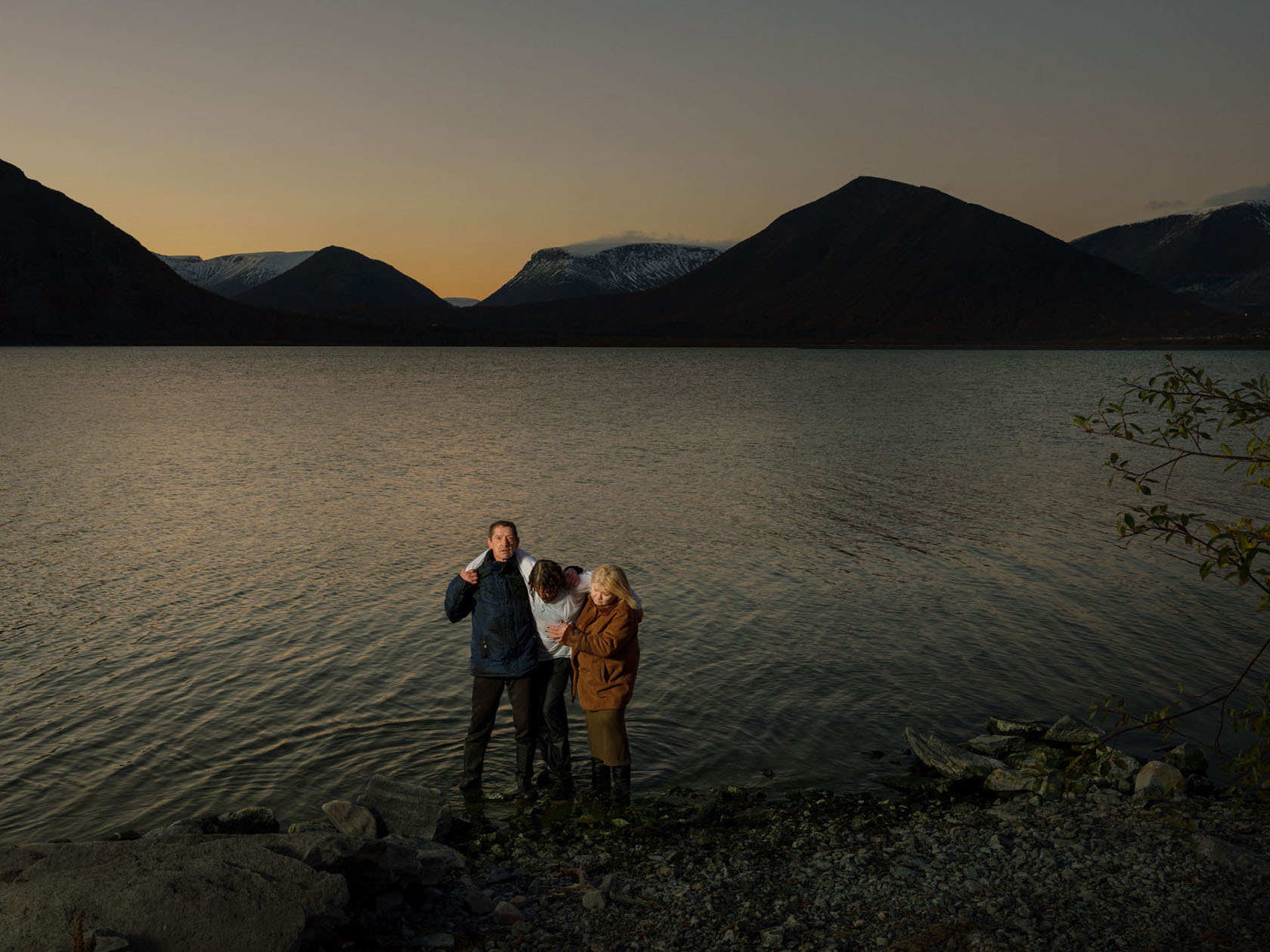
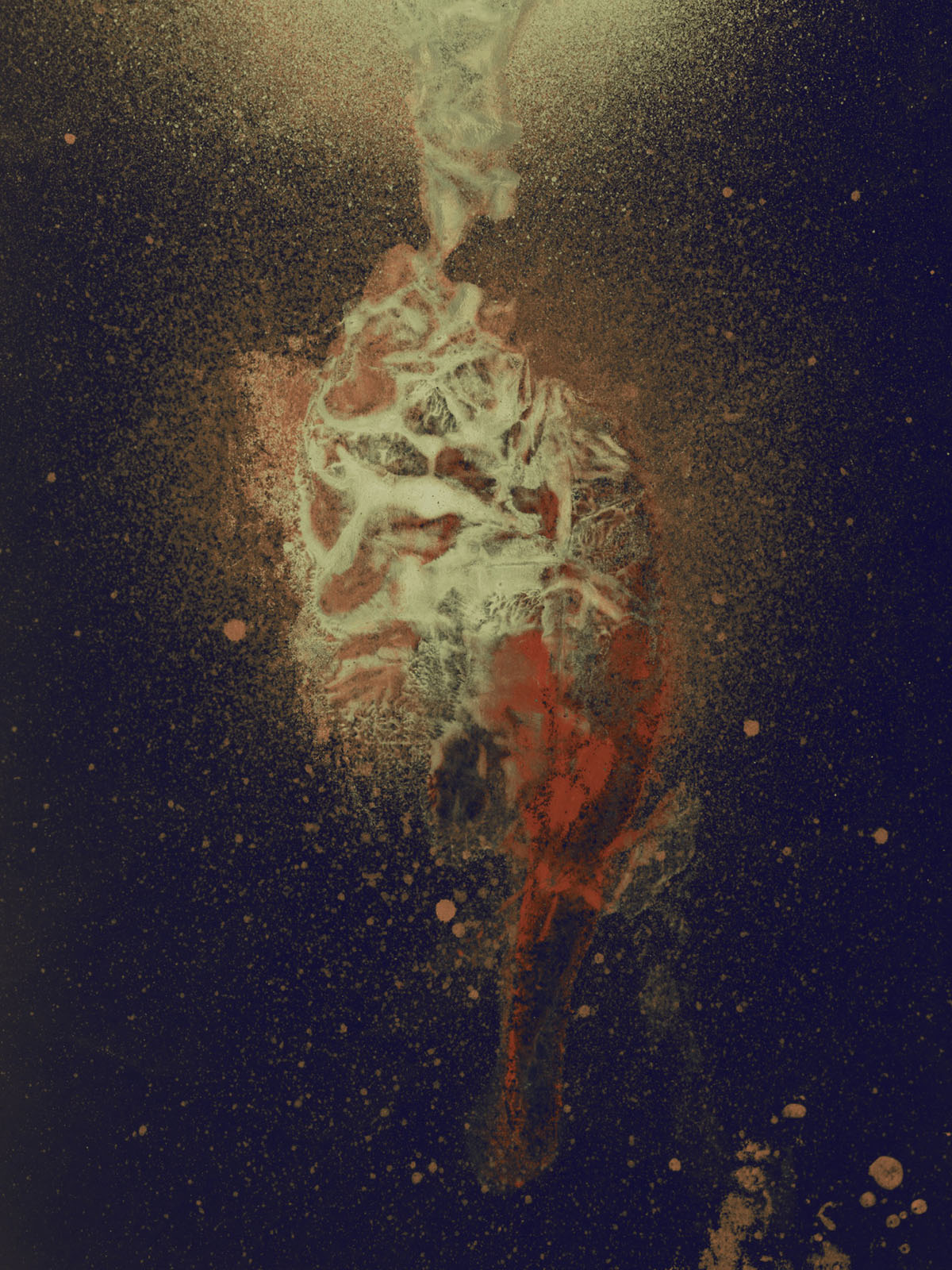
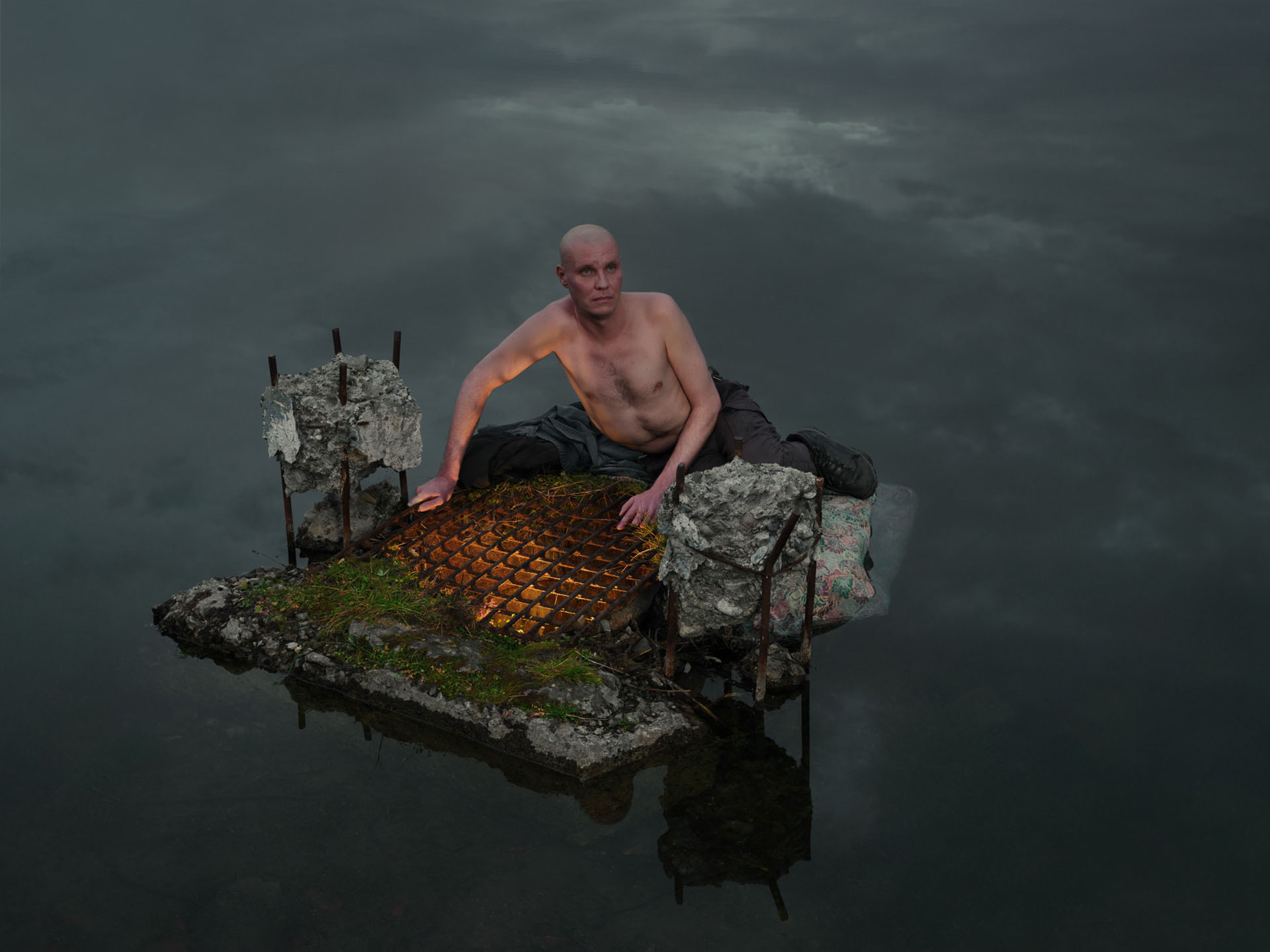
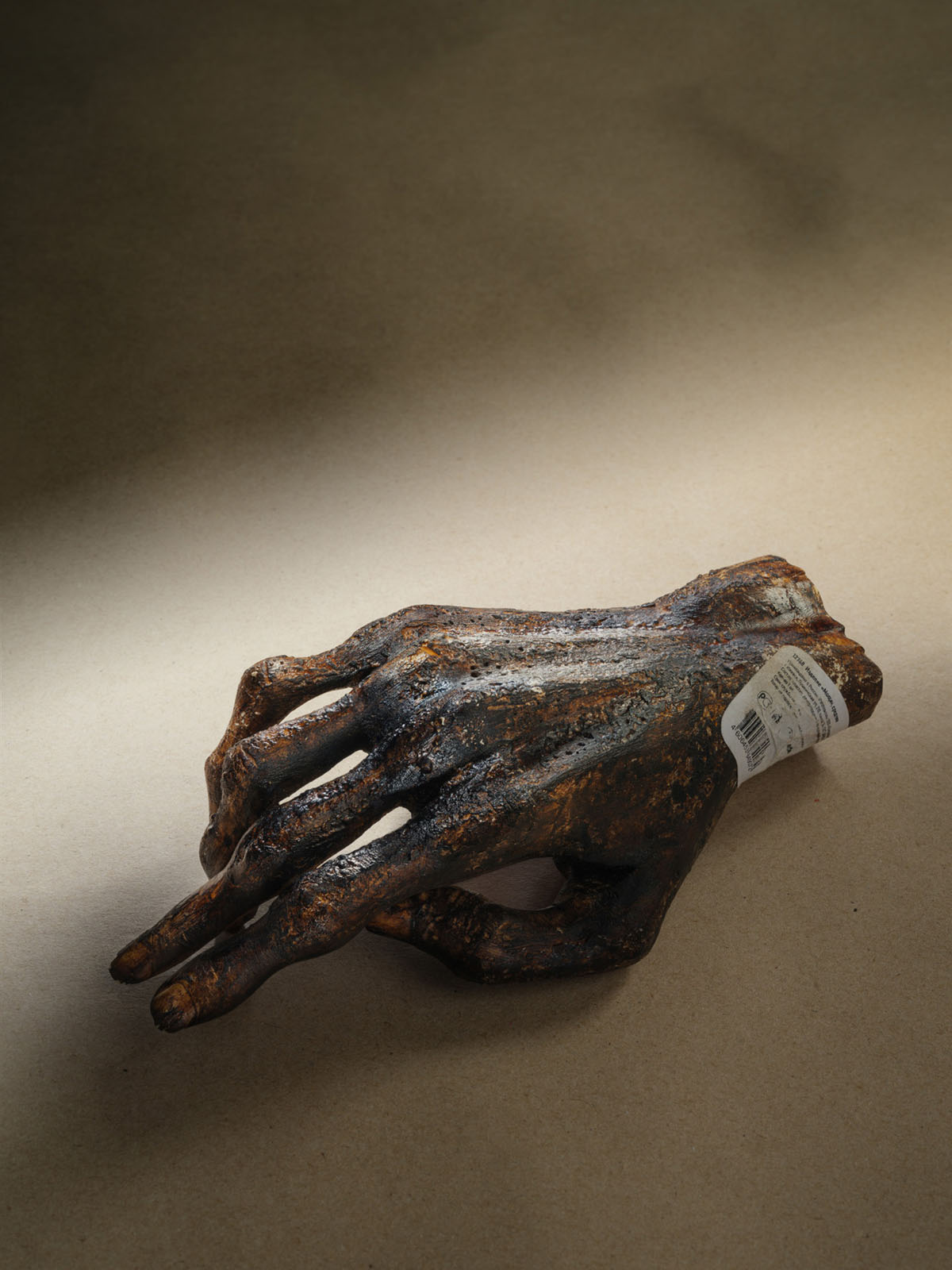
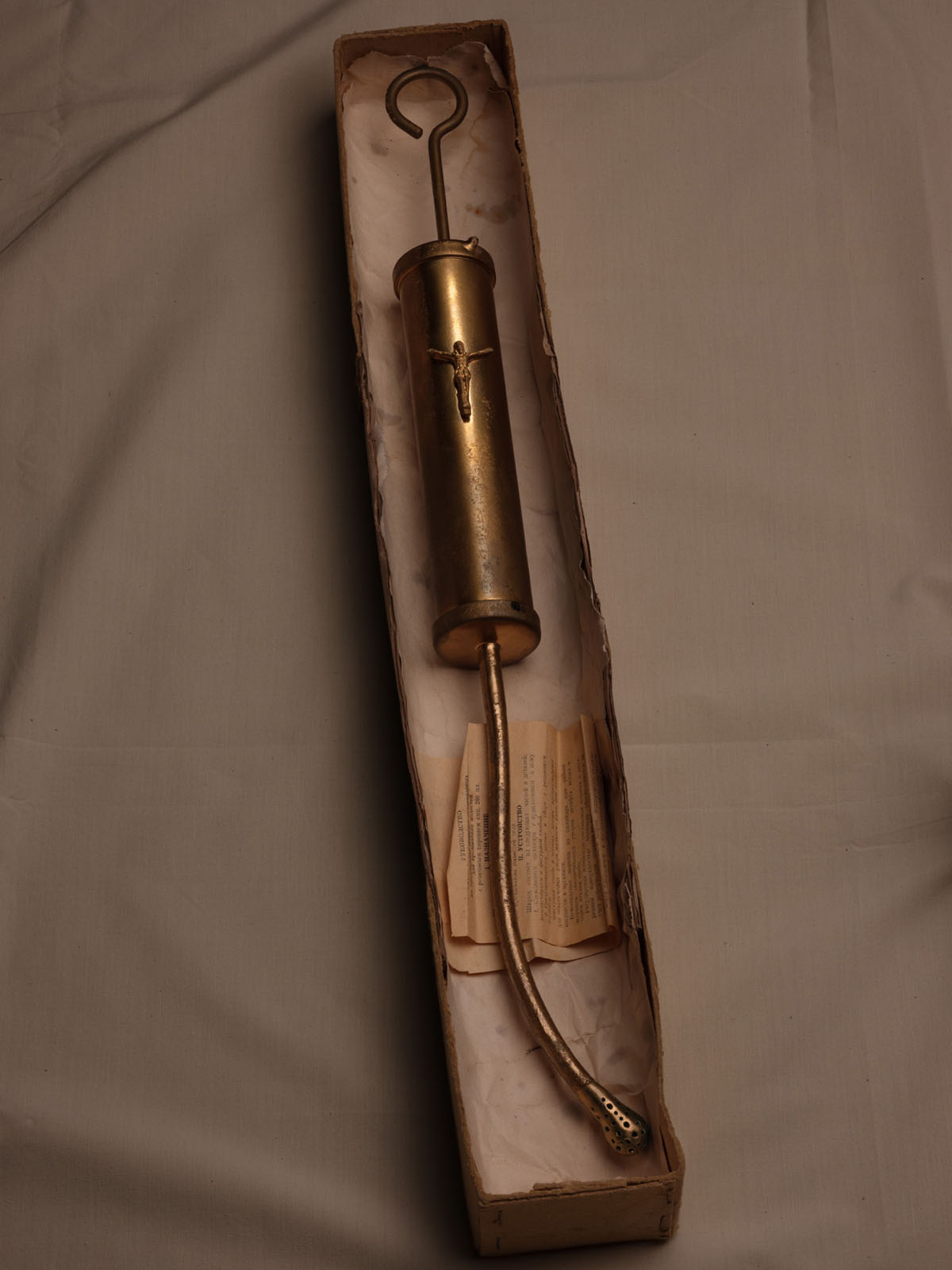
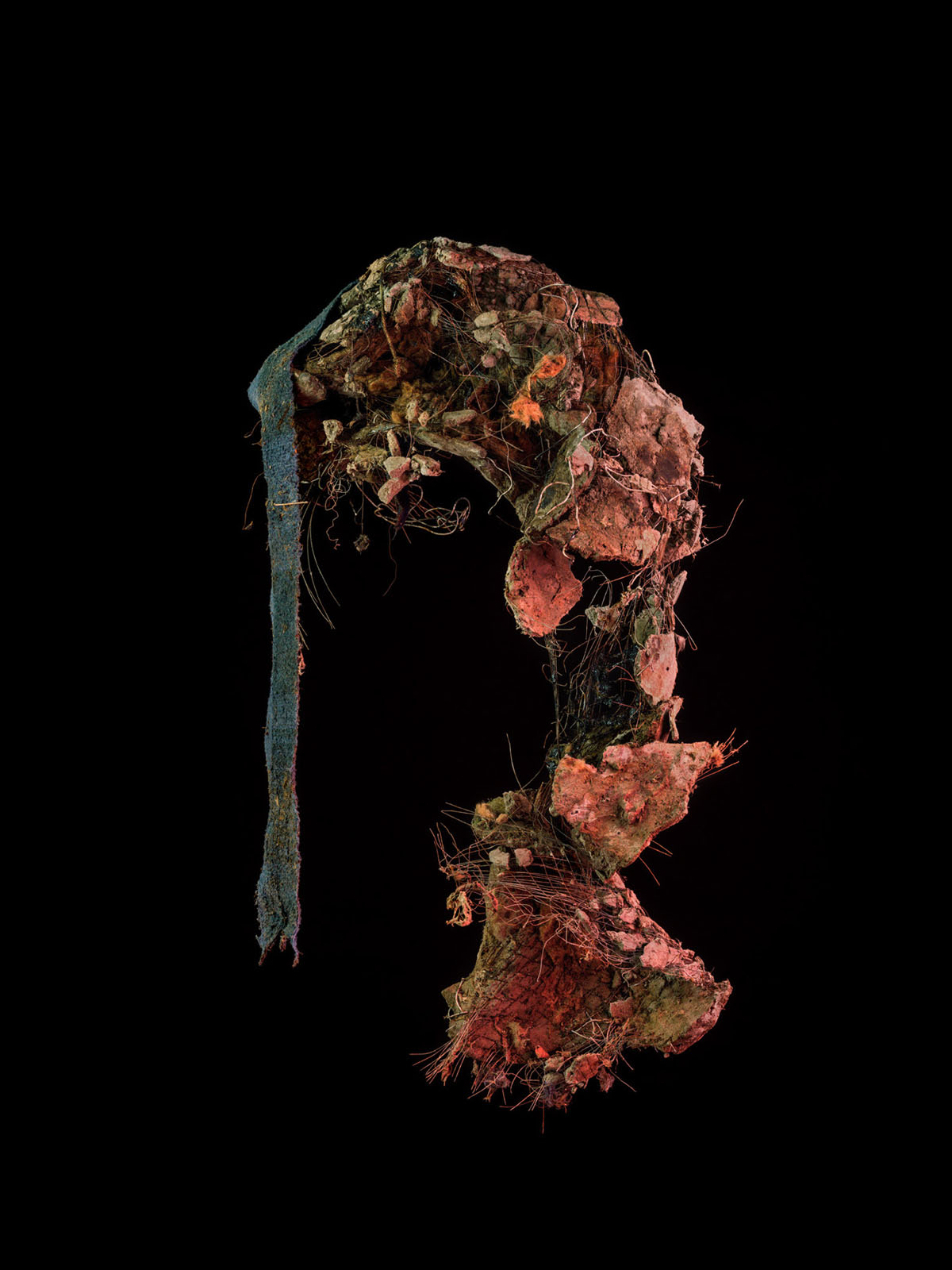
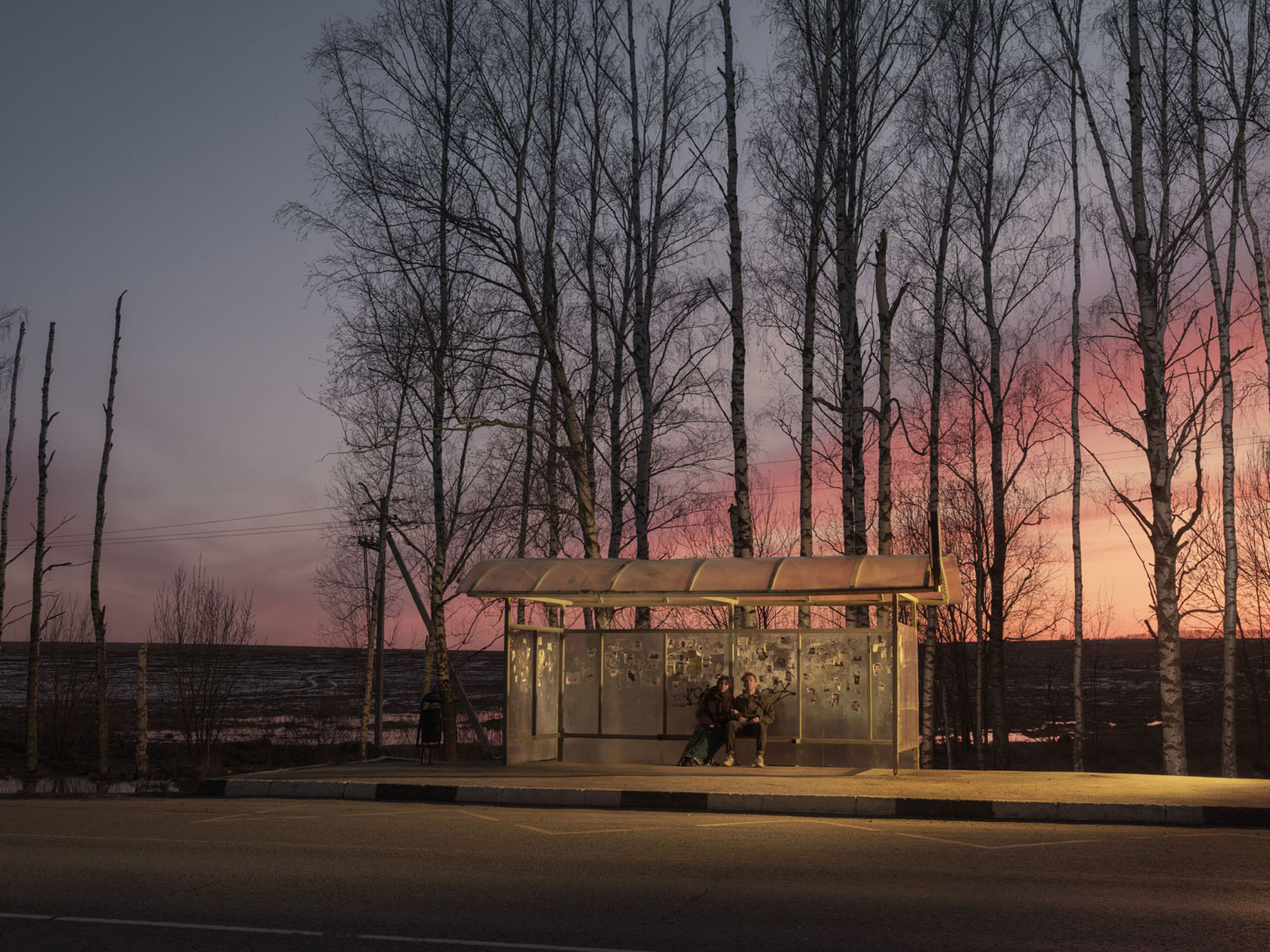
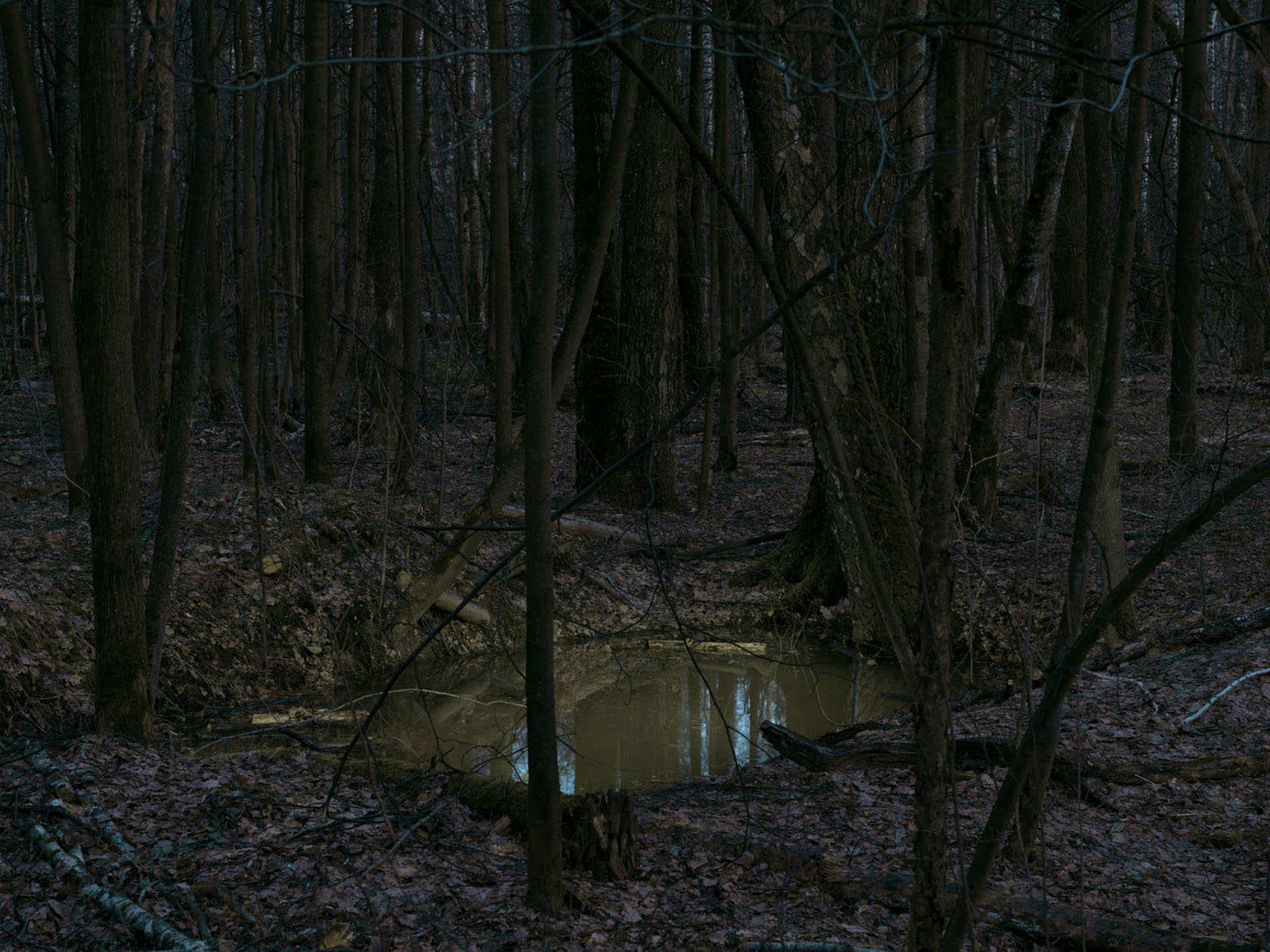
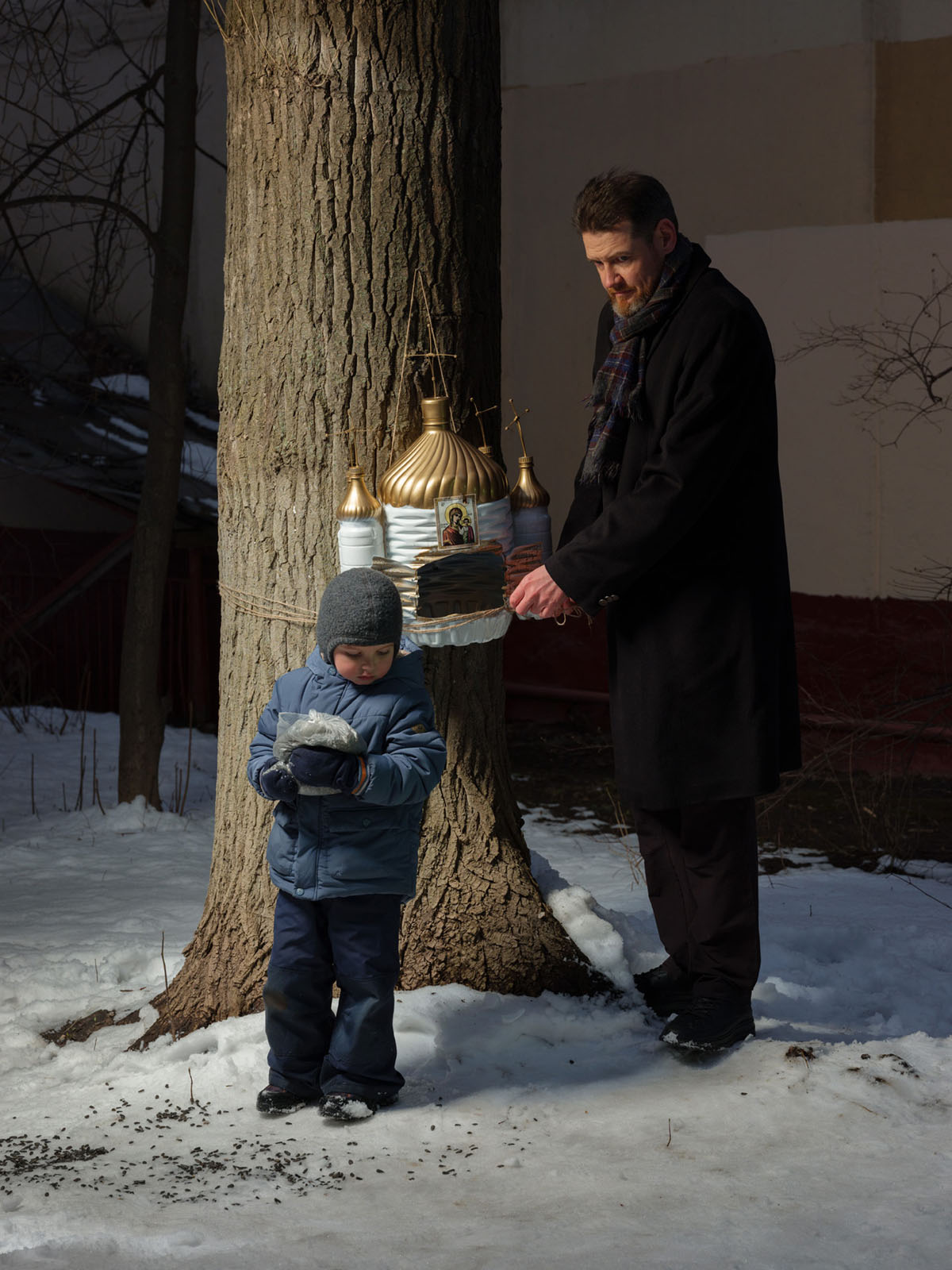
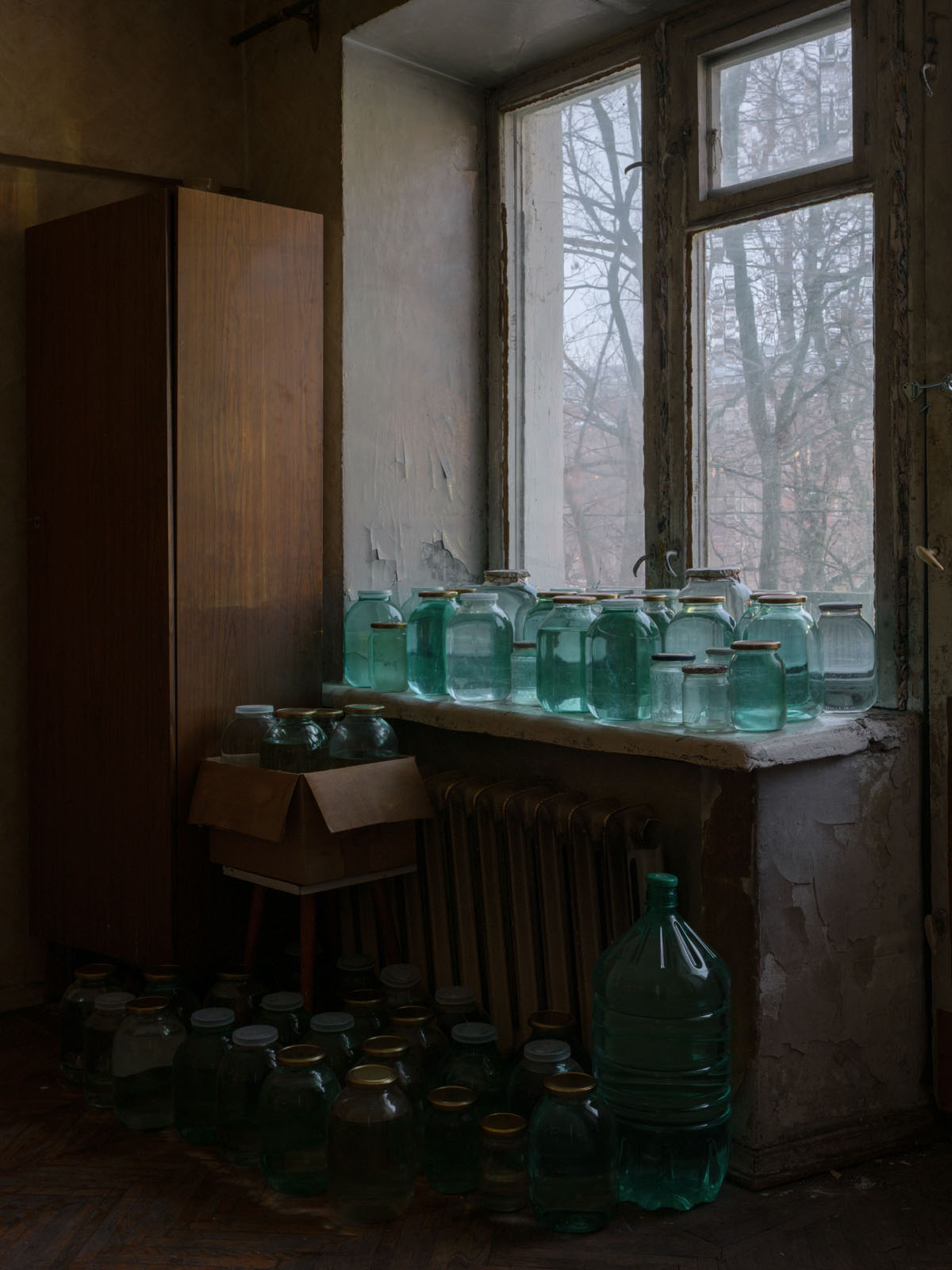
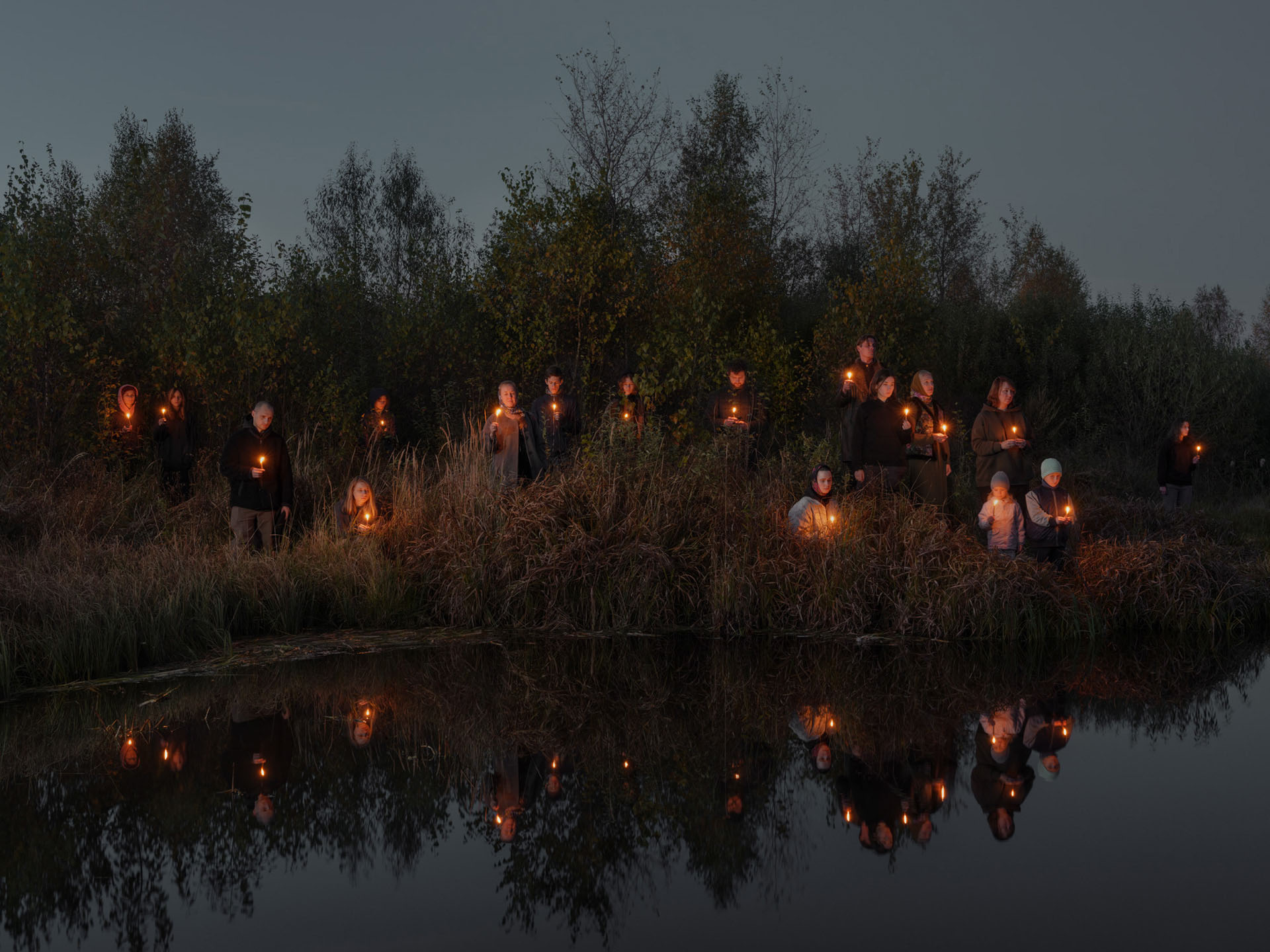
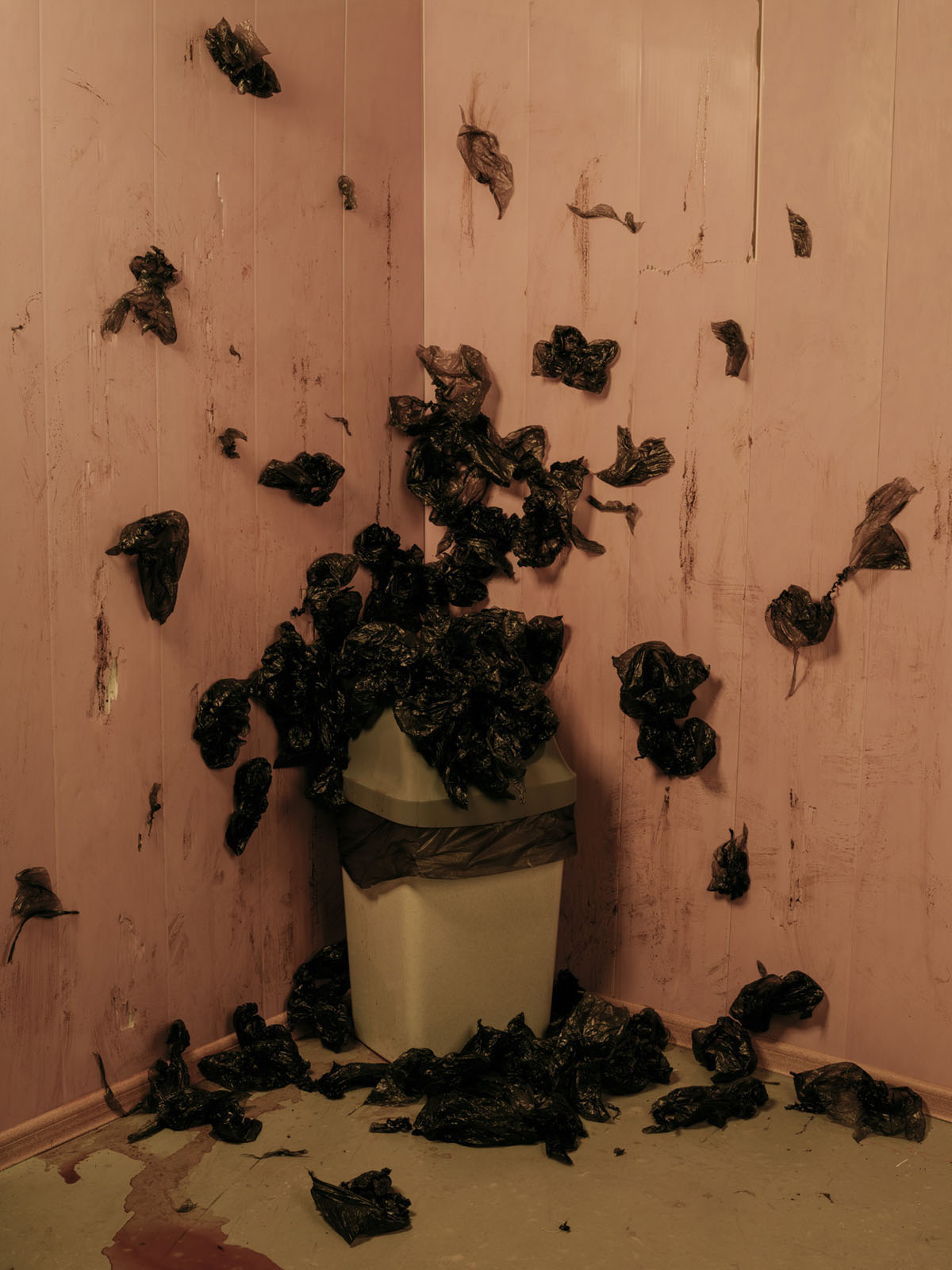
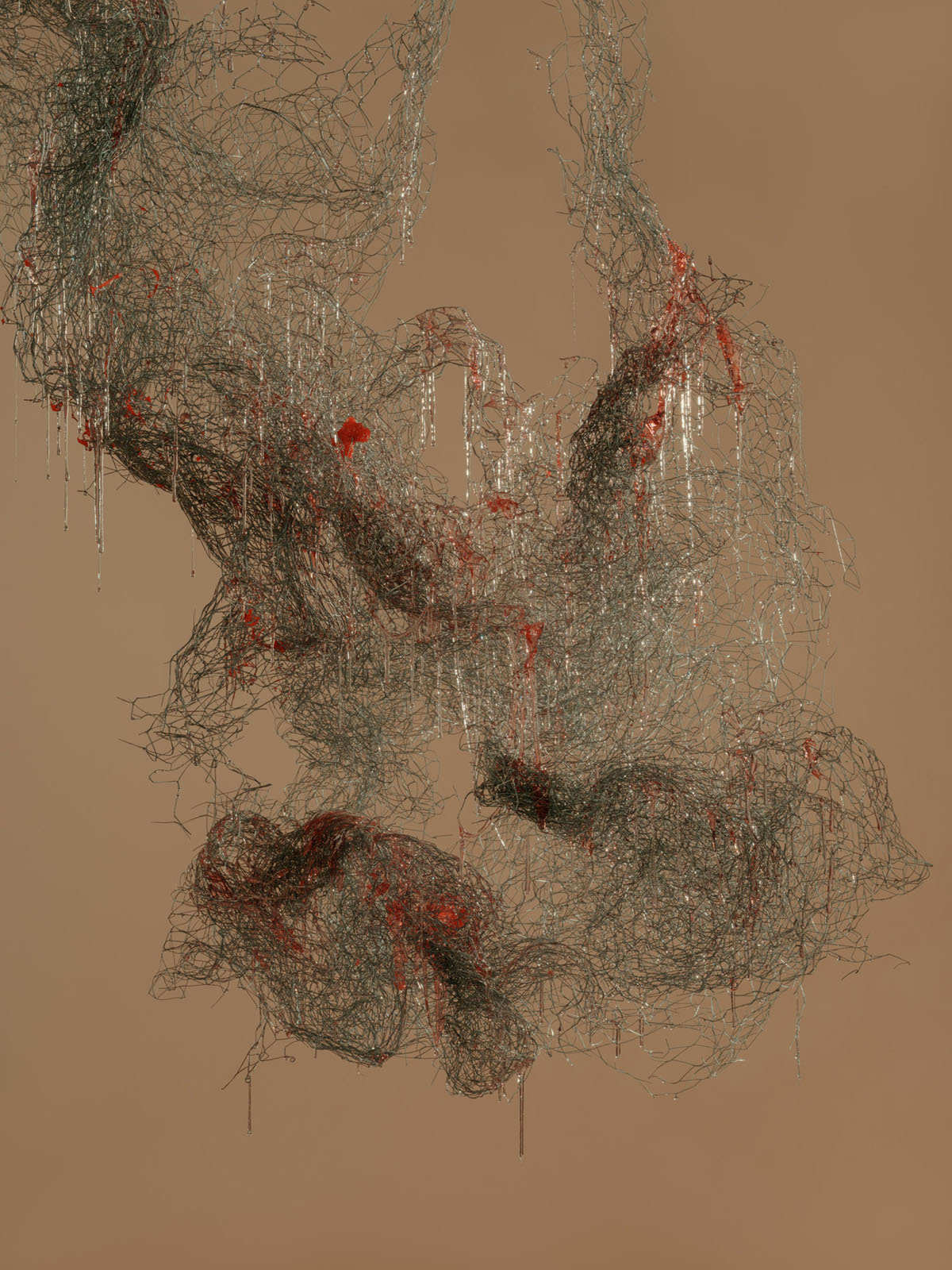
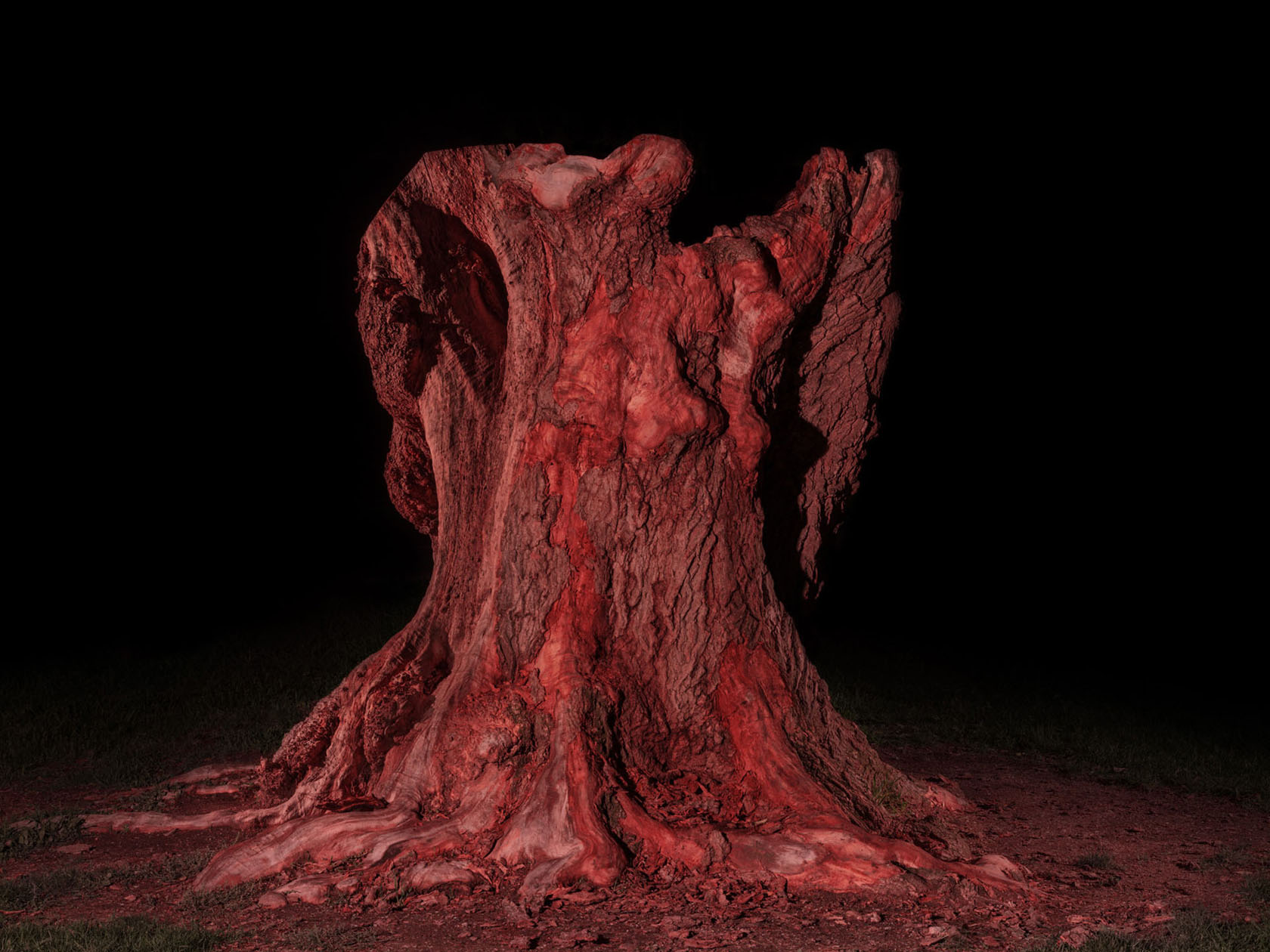
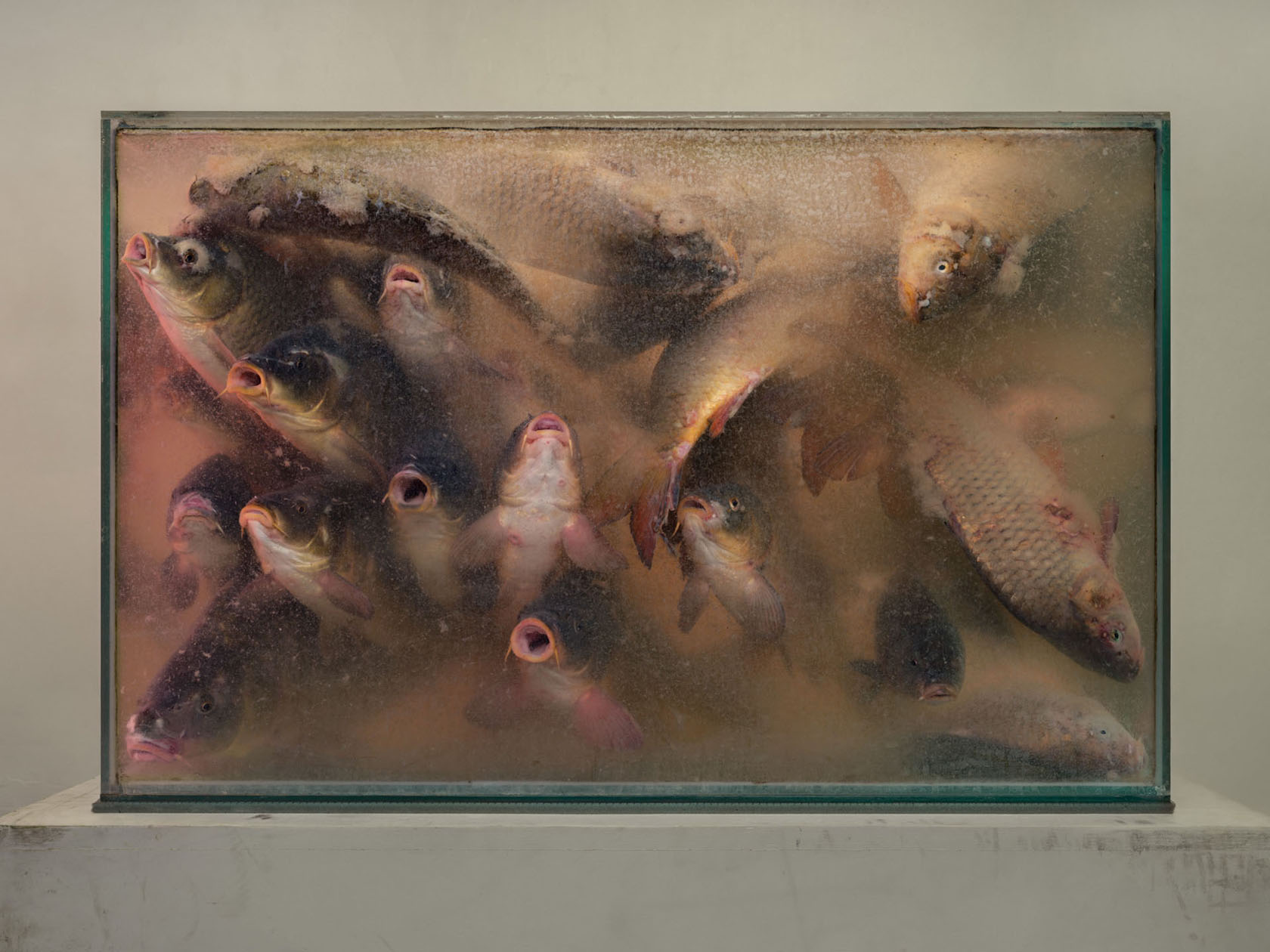
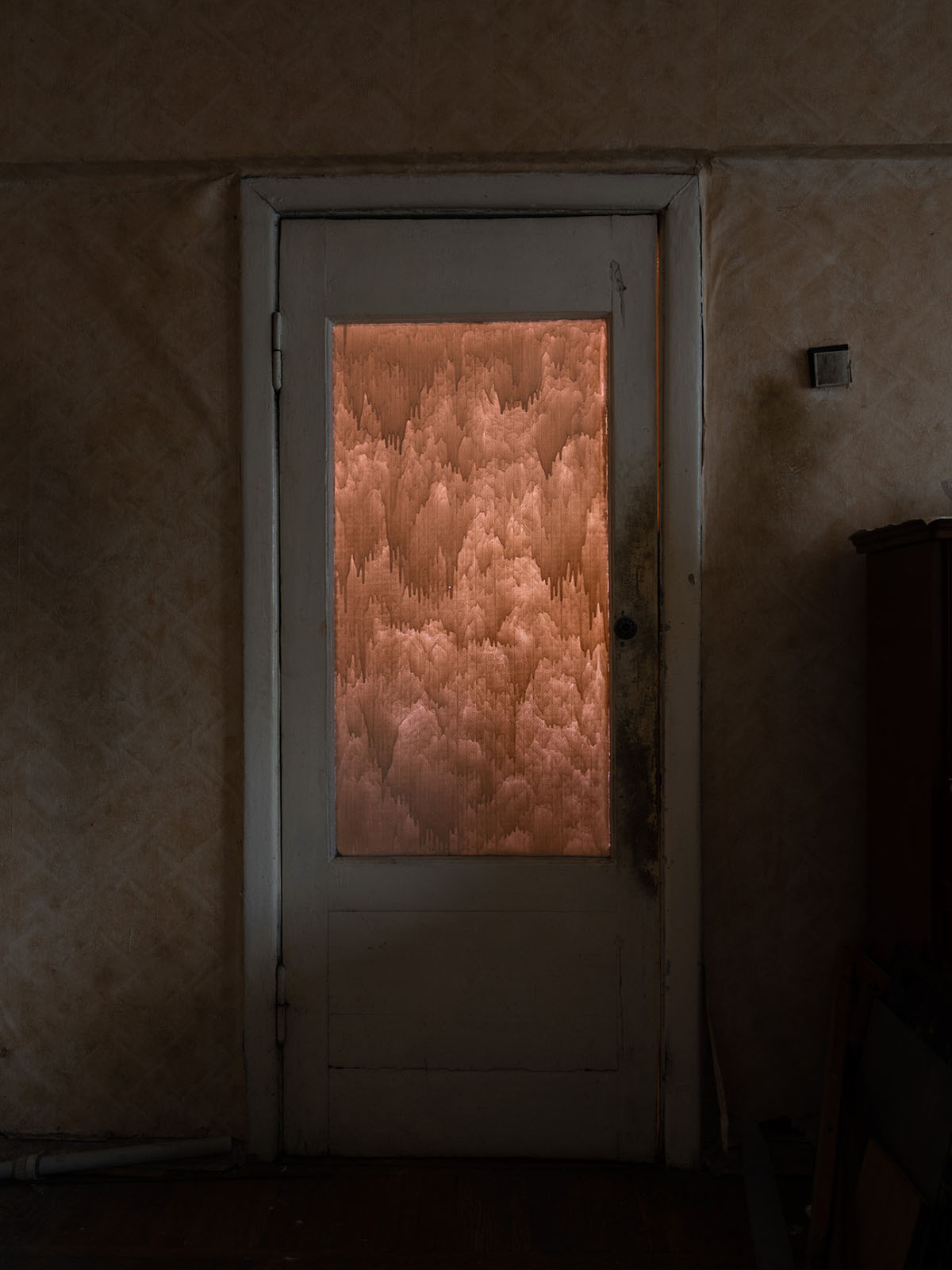
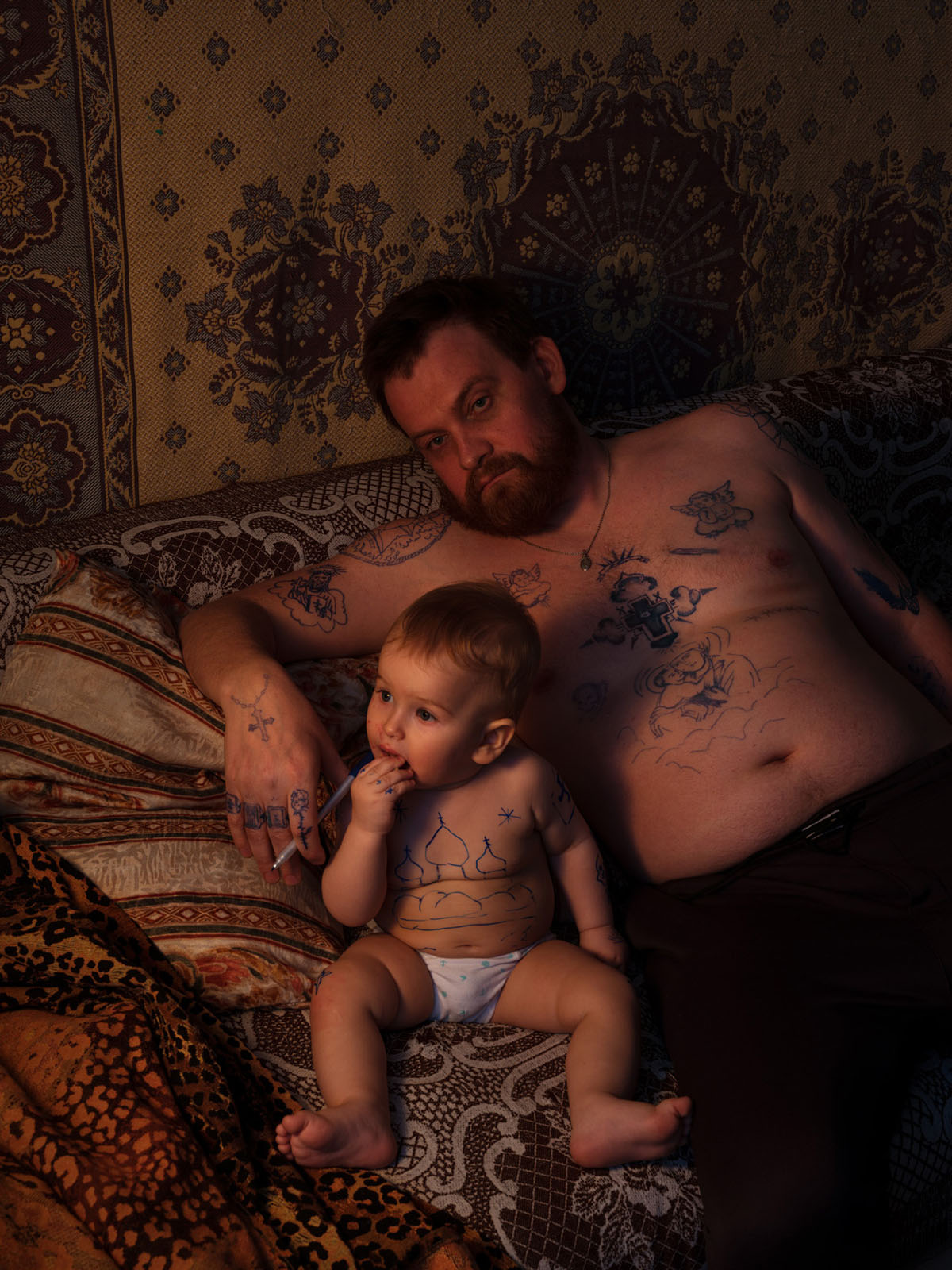
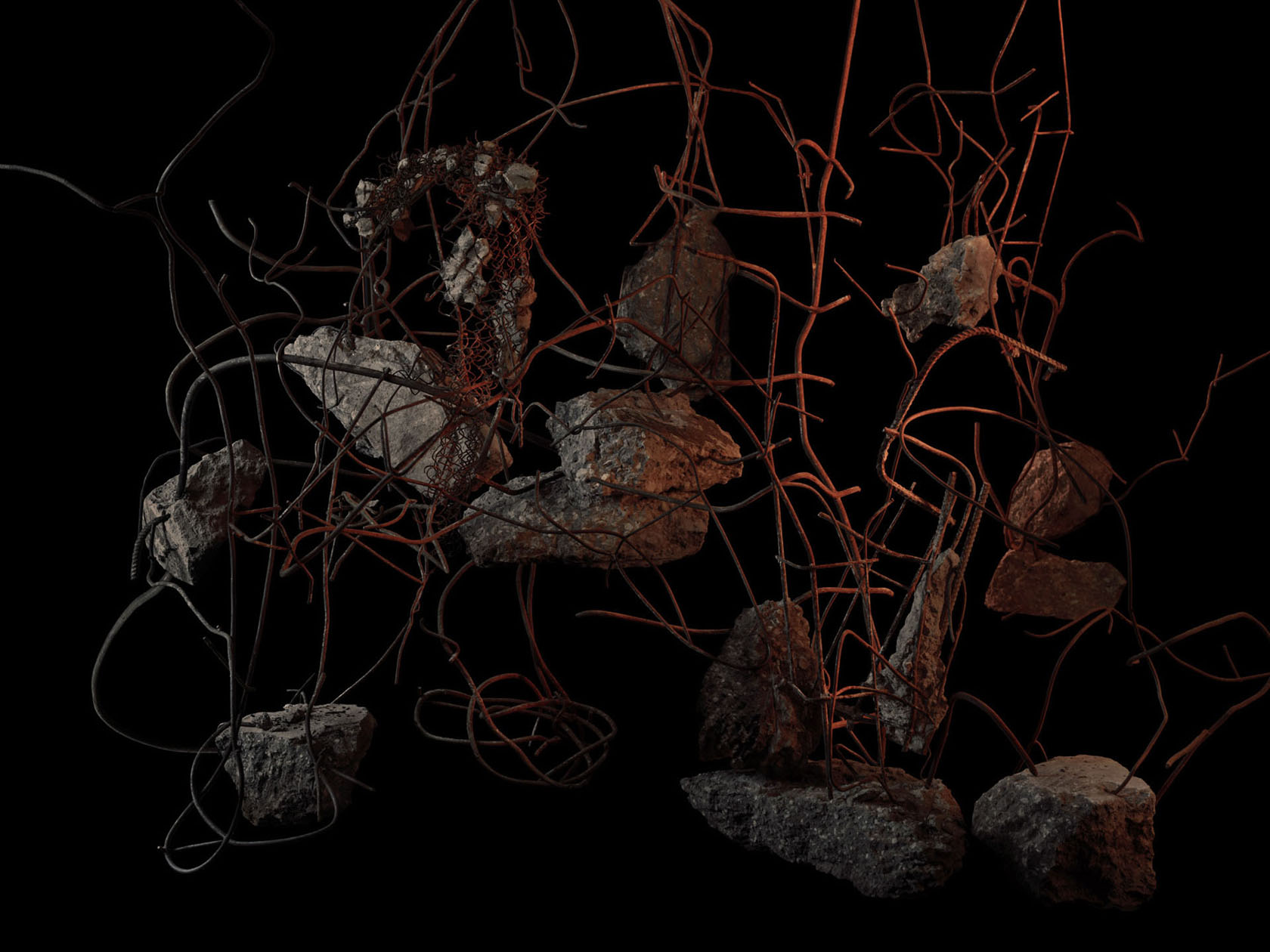
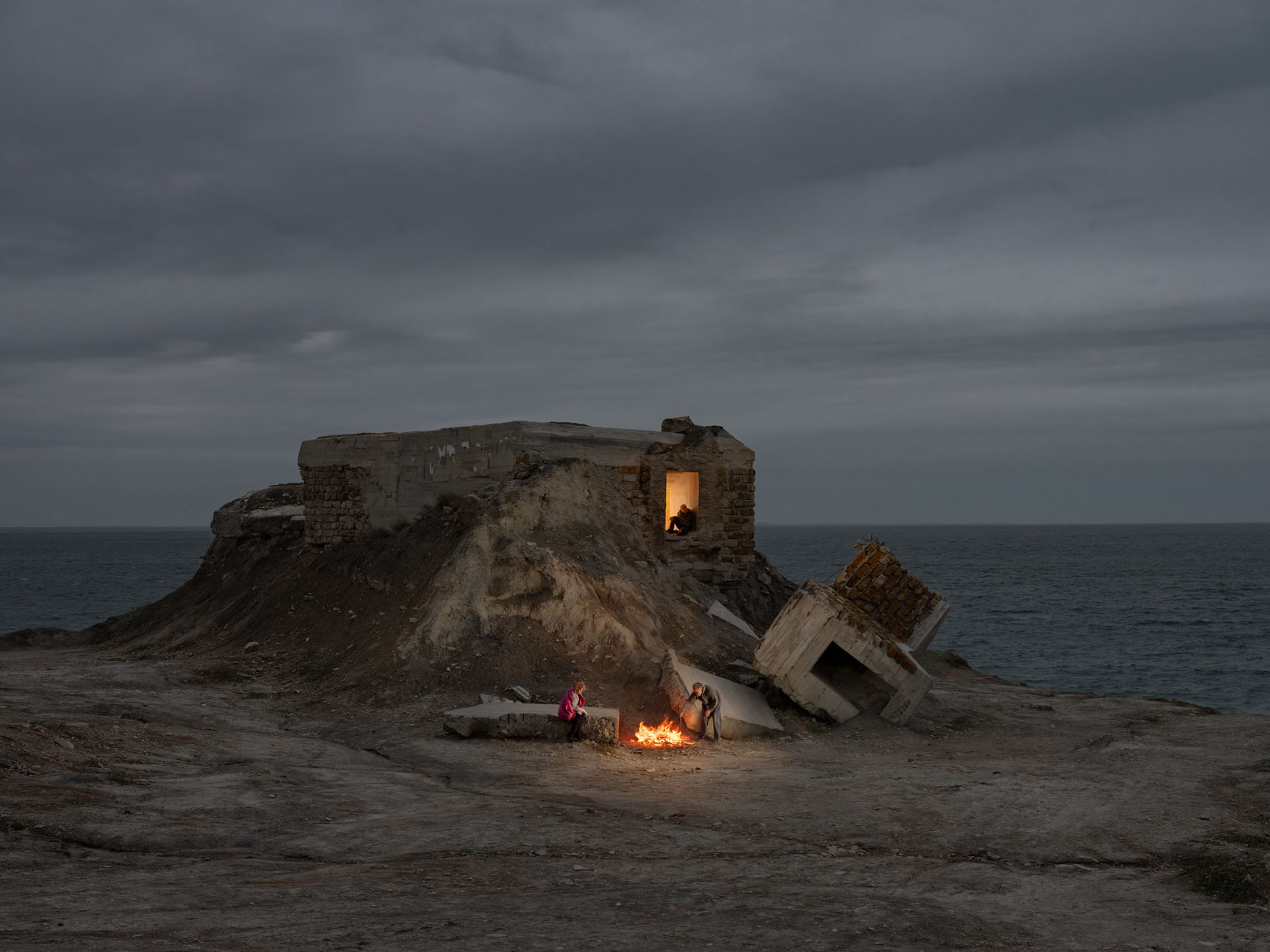
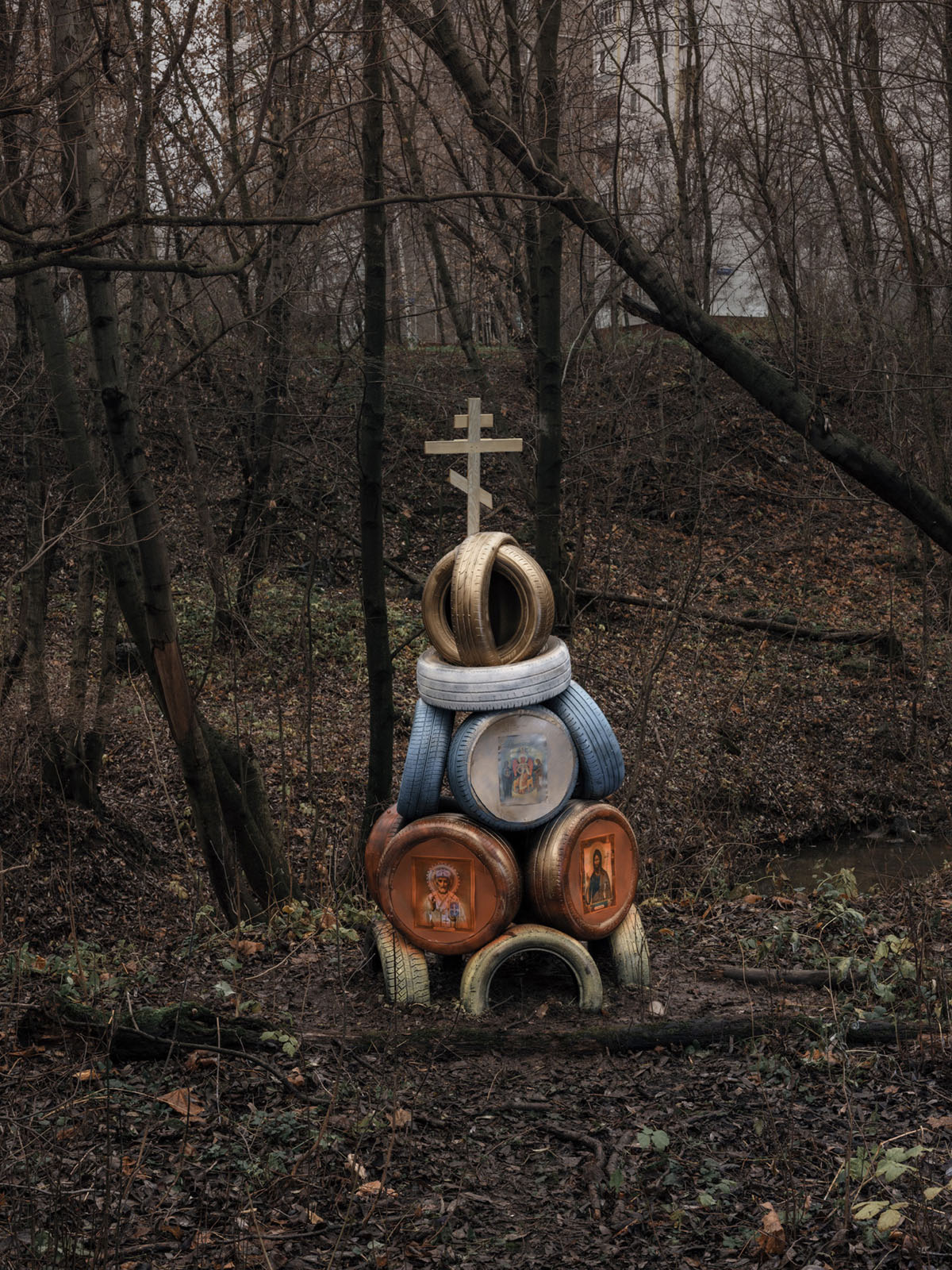
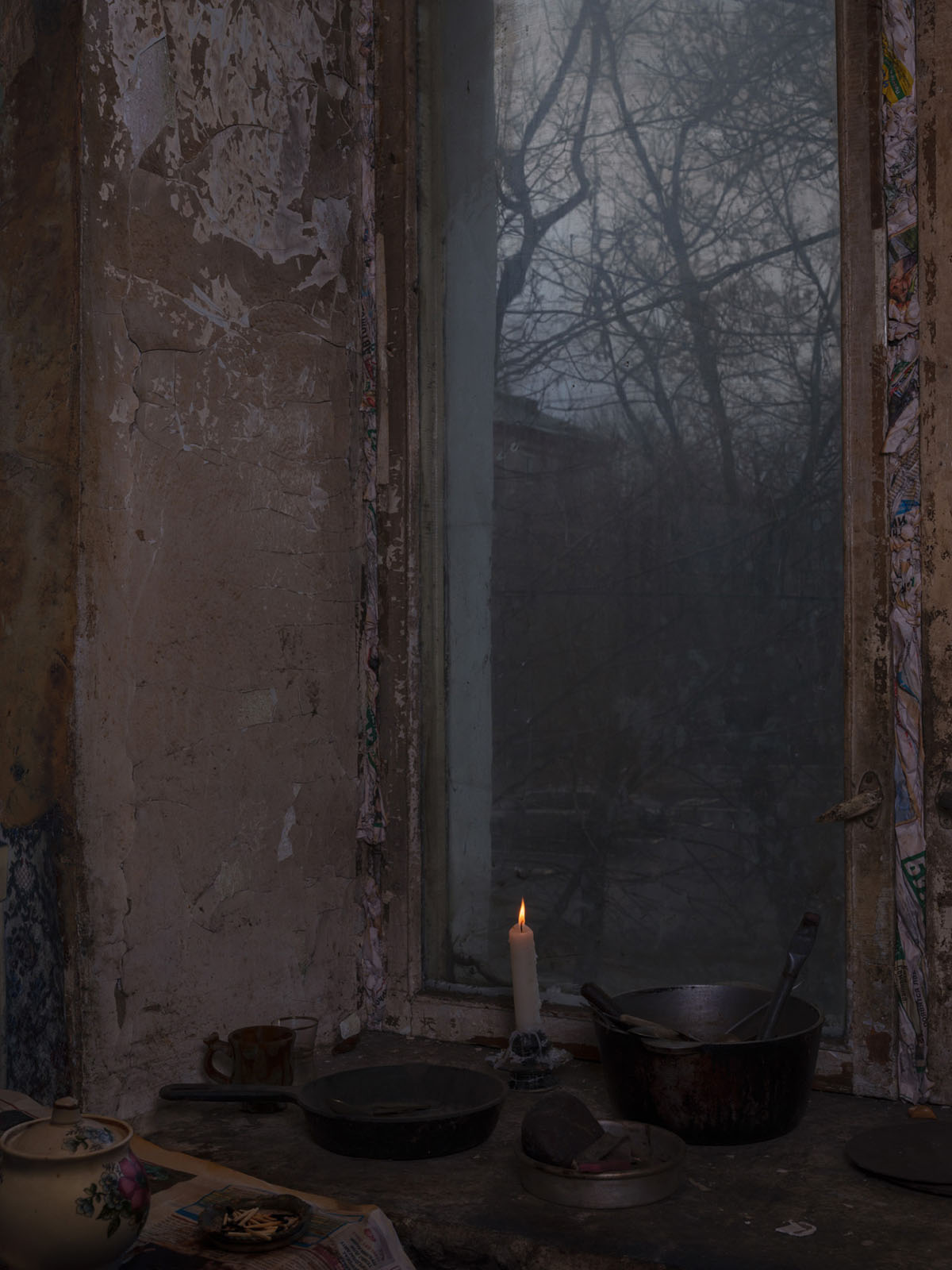
In this project, I do not document the current state of Orthodoxy. Instead, through its imagery and visual language, I seek to reveal its mechanisms of action, analyzing it as an instrument of cultural and political propaganda. I photograph subjects that really exist, I make staged photographs based on situations observed in the media and on social networks, and I create objects that refer to the attributes of religious worship and to Orthodox myths and legends.
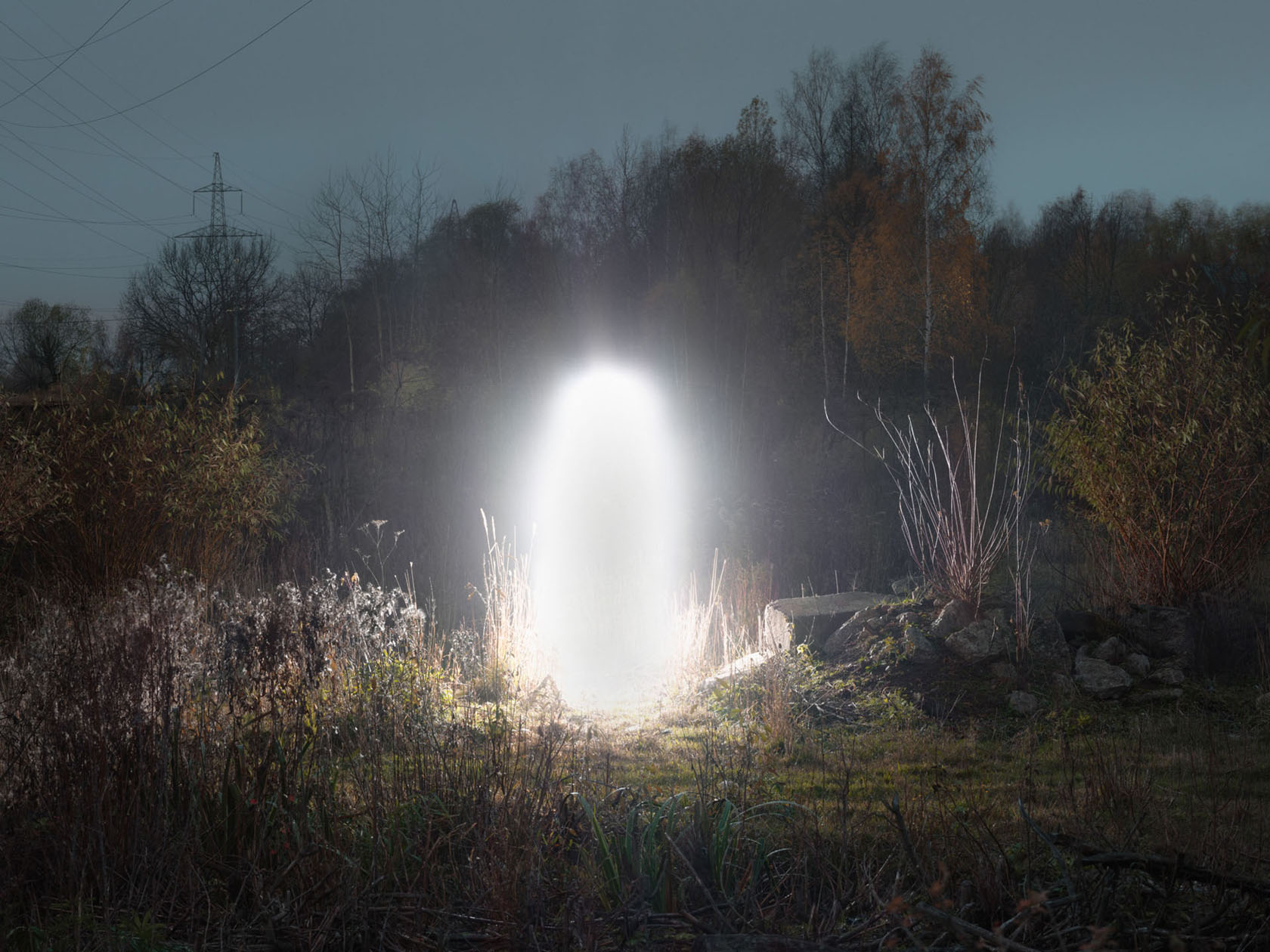
Having been raised in a religious family, I visualize the worldview of a bearer of contemporary Orthodox ideology. I reflect on a world built on strict dogmatics, and on a future in which such a worldview would become the only legally admissible one: a future whose ghostly outlines are becoming more and more visible in the present.
↑ Texts: Project statement (FR)
Le point de départ de ce travail a été une réflexion sur les causes de l’apathie au sein de la société russe, du ressentiment et de l’indifférence apparente face à la politique répressive et agressive de l'État.
Alexeï Tolstoï, écrivain russe du XIXe siècle, notait dans son roman consacré à Ivan IV le Terrible et à la tyrannie du XVIe siècle que ce qui était le plus frappant n'était pas tant le fait qu'" Ivan IV ait pu exister ", mais plutôt qu'" il ait pu exister une société qui le regardait sans indignation ".
Une société similaire, façonnée au fil des siècles de dictature, peut encore être observée aujourd’hui. L’un des fondements idéologiques de différentes formes de dictature a été, et reste selon moi, l’orthodoxie — la foi " originellement russe " et l’identité culturelle pour la majorité des Russes. La doctrine orthodoxe, fondée sur l’acceptation de la souffrance, le sacrifice de soi et la soumission à des structures patriarcales, forme une mentalité particulière. Un exemple frappant de cette mentalité est le titre de ce projet: non pas une menace, mais une formule habituelle adressée aux croyants pour leur demander de ne pas parler pendant l’office.
Le système de pouvoir russe utilise l’orthodoxie comme instrument politique. L’affirmation " Il n’y a point d’autorité qui ne vienne de Dieu. " (Épître aux Romains 13:1) est prononcée par des responsables au niveau officiel. Selon les données de l'Église orthodoxe russe, " trois églises par jour " sont mises en service en Russie. Le patriarche — chef de l'Église orthodoxe russe — reproche la recherche du bien-être et du confort, décrit l'épidémie de coronavirus comme une " miséricorde divine ", tandis que le président russe déclare qu’en cas de guerre nucléaire " nous irons au paradis en tant que martyrs ". À travers l’orthodoxie sont légitimées l’interdiction de l’avortement, la promotion des soi-disant " valeurs traditionnelles ", ainsi que le renforcement des poursuites pénales liées à des représentations de formes de sexualité en dehors du modèle hétéronormatif.
On assiste à une fusion entre l'Église et l’armée. La militarisation de l'Église devient l’un des axes centraux de l’agenda politique contemporain. Des " églises militaires " sont construites, des armes sont bénies. En juin 2023, justifiant l’invasion de l’Ukraine, des représentants de l'Église orthodoxe russe ont déclaré que " le pacifisme est incompatible avec l’enseignement de l'Église orthodoxe ". Le nouveau dogme orthodoxe apparaît comme un mécanisme efficace de soumission, de justification de l’autoritarisme, de l’agression militaire et de l’inamovibilité du pouvoir. Il soutient également le rejet officiel de tout autre mode de vie et système de valeurs.
Aujourd’hui, le mot " Dieu " est inscrit dans la Constitution russe, et depuis 2013, une loi sur " l’offense aux sentiments des croyants " a été introduite dans le code pénal pour la première fois dans l’histoire récente du pays, permettant d’ouvrir des poursuites pénales contre pratiquement toute expression ou œuvre artistique à caractère religieux.
Dans mon projet, je ne produis pas une documentation de l'état actuel de l’orthodoxie, mais, à travers son imaginaire et son langage visuel, je cherche à en dévoiler les mécanismes d’action, en l’analysant comme un instrument de propagande culturelle et politique. Je photographie des sujets qui existent réellement, je réalise des photographies mises en scène à partir de situations observées dans les médias et les réseaux sociaux, je crée des objets qui renvoient aux attributs du culte religieux et aux mythes et légendes orthodoxes.
Ayant été élevé dans une famille religieuse, je visualise la perception du monde d’un porteur de l’idéologie orthodoxe contemporaine. Je réfléchis à un monde construit sur une dogmatique stricte, et à un futur dans lequel une telle vision du monde deviendrait la seule légalement admissible — un futur dont les contours fantomatiques deviennent de plus en plus perceptibles à travers le présent.